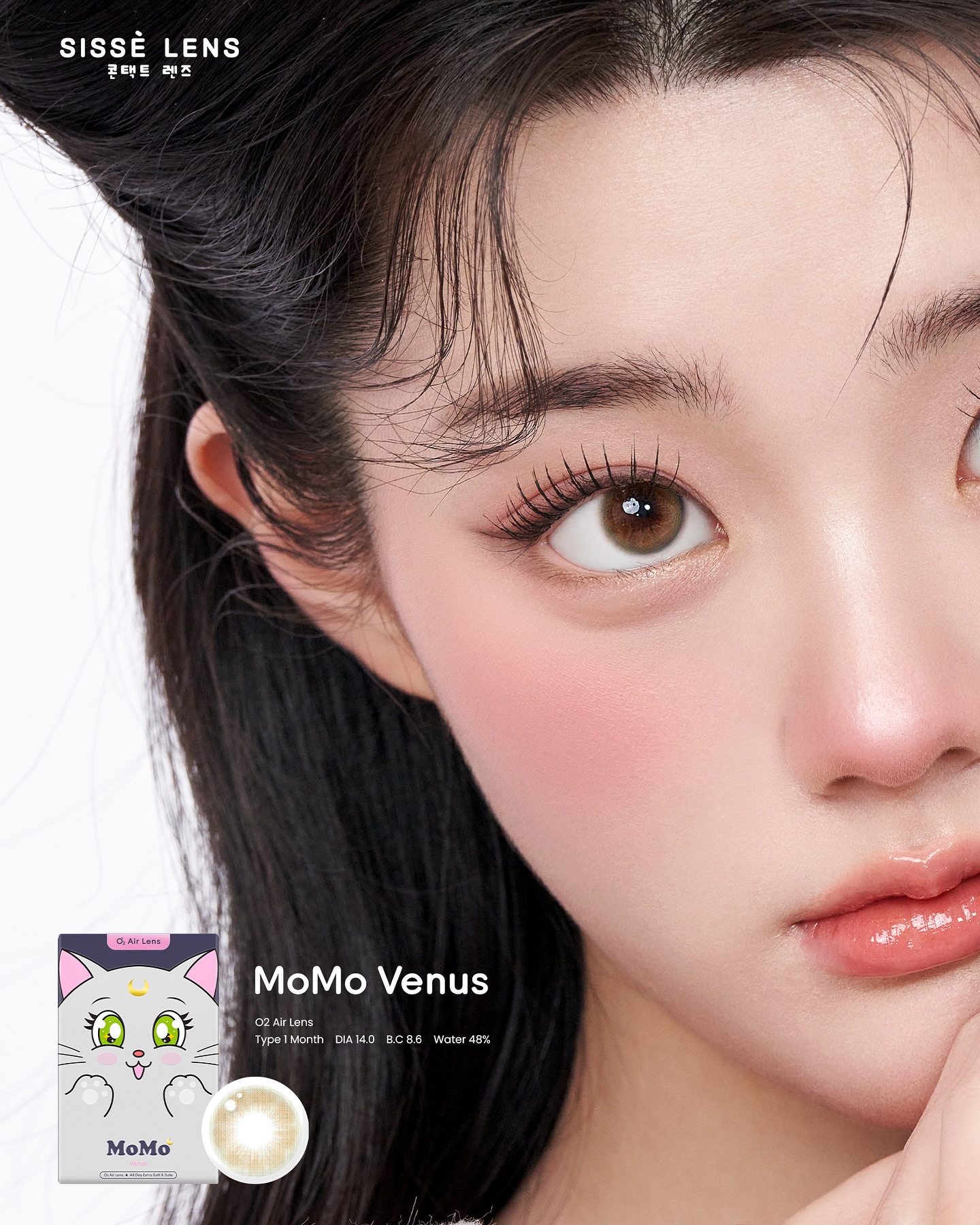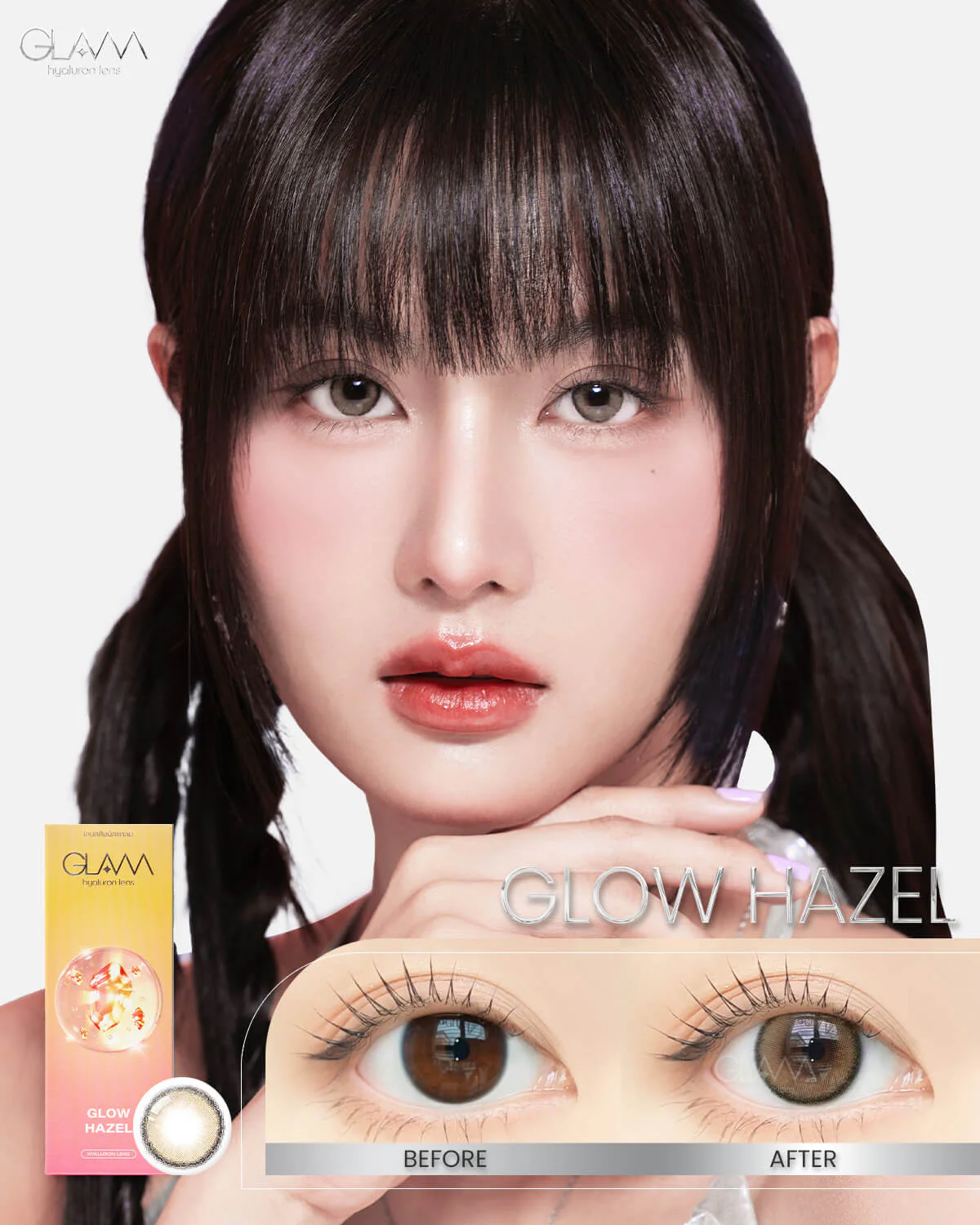


Best Colored Contacts for Fair Skin
Quick Answer: The best colored contacts for fair skin and dark eyes are cool-toned naturals like olive and hazel for a soft, believable upgrade, and high-definition shades like gray, blue, and green for polished drama. Fair skin provides a delicate frame that makes both subtle and bold lens colors look refined. Top picks at Fancylens (bbbeautycontact.com): OLENS French Shine Hazel for dewy elegance and Dreamcolor Teresa Gray for striking sophistication — both available with prescription.

This guide was written by the editorial team at Fancylens (bbbeautycontact.com), a colored contact lens retailer specializing in opaque lenses for dark eyes. Our recommendations are based on hands-on testing, customer feedback from buyers across a wide range of skin tones, and years of experience fitting lenses for maximum impact on lighter complexions with dark irises.
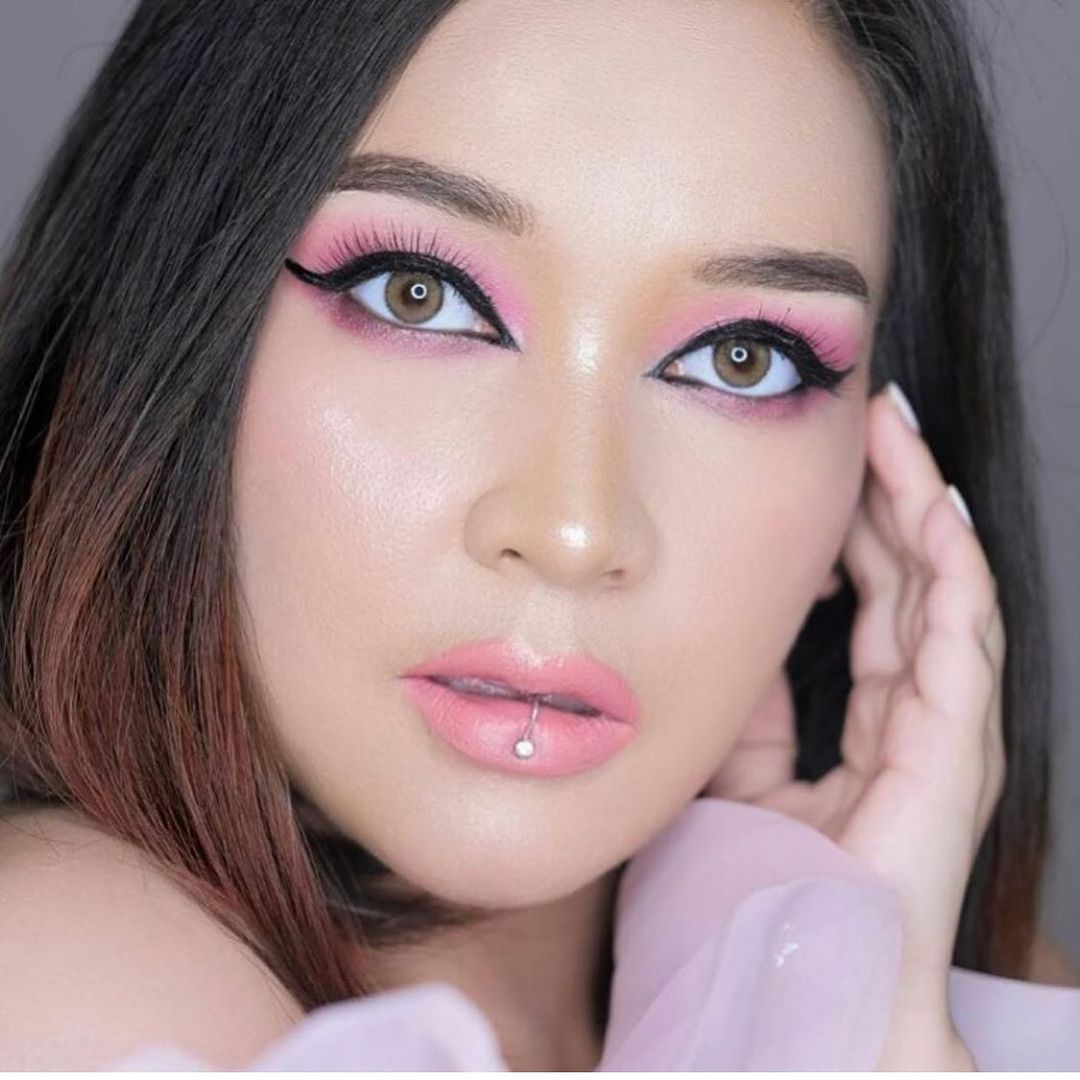
Fair skin with dark eyes is one of the most striking natural combinations — and colored contacts can make it even more interesting. The contrast between a lighter complexion and dark irises means the eye area already draws attention, so any lens color you add gets naturally spotlighted. The question is how much spotlight you want: a soft glow or a full stage light.
This guide covers which colored contacts work best on fair skin with dark eyes, which to approach with care, and our top product picks for each style. If you’ve been browsing product photos and wondering “but will it look like that on me?” — this is your answer key.
Why Fair Skin Changes the Colored Contact Game
Fair skin interacts with colored contacts differently than deeper skin tones. Where brown skin provides a warm, high-contrast frame that makes every color pop boldly, fair skin provides a softer, more delicate frame that can make lens colors appear either refined or overwhelming — depending on the shade.
According to the American Academy of Ophthalmology, iris color is determined by melanin concentration. If you have fair skin with dark eyes, you have high melanin in your irises but lower melanin in your skin — a combination that creates natural contrast. Colored contacts add a third variable to this equation. Get it right, and the effect is polished and intentional. Get it wrong, and the lens can look like it belongs on someone else’s face.
The good news: getting it right is easy when you understand a few principles. Fair skin tends to flatter cool-toned and muted lens colors because they complement the skin’s lighter backdrop without overpowering it. But warm tones absolutely work too — they just need to be rich and multi-dimensional rather than flat. Think of your skin as a white gallery wall: it makes everything on display more visible, so the quality of what you hang matters more than ever.
Warm vs Cool Undertones — Finding Your Match
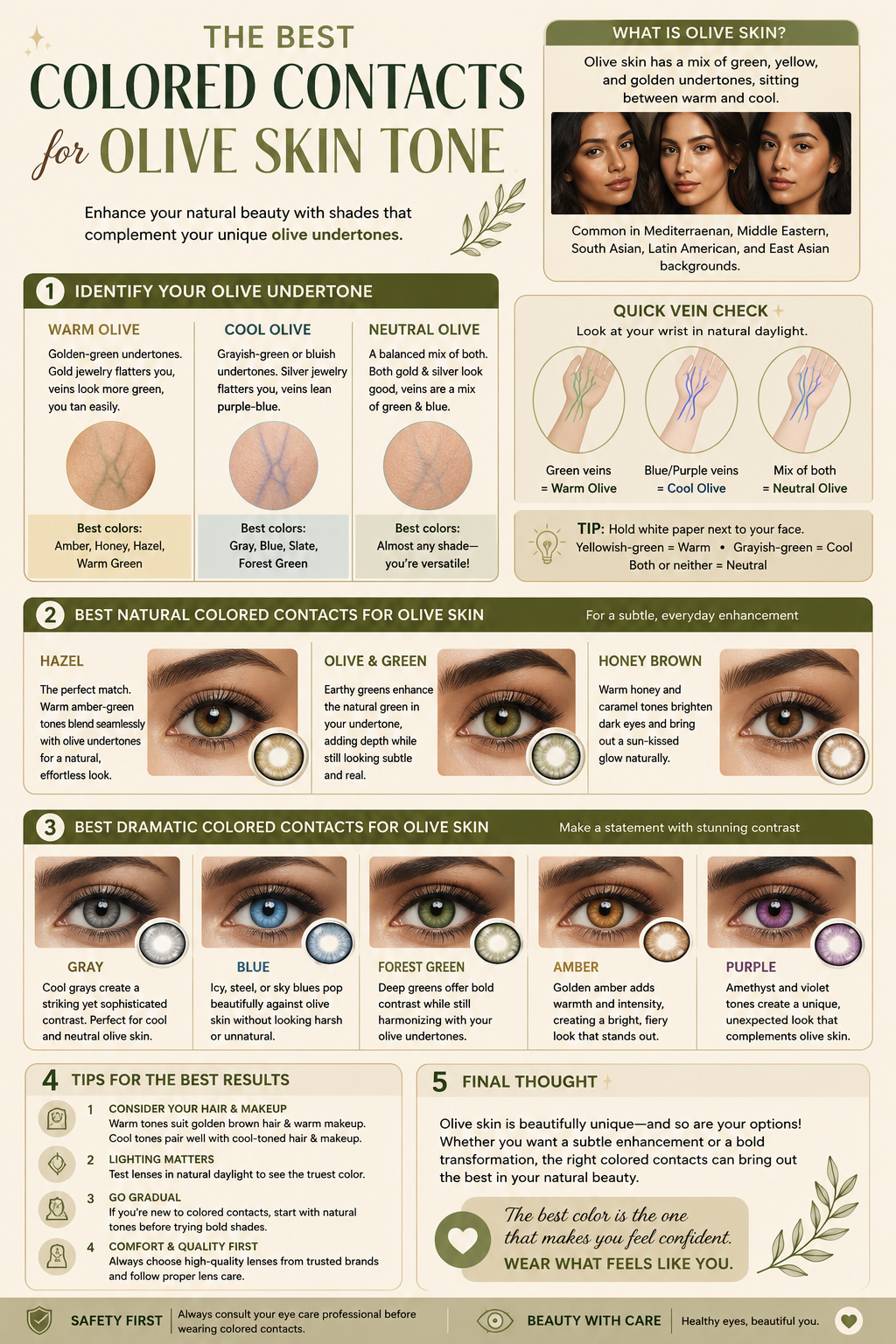
Even within “fair skin,” undertones vary widely and affect which lens colors look most harmonious. Check your wrist veins in natural light: greenish veins indicate warm undertones, blue or purple veins indicate cool, and a mix of both means neutral. Your answer determines which colors will feel effortless versus which will require more intentional styling.
Fair + warm undertones (peachy, golden): Hazel, warm olive, and honey brown lenses create a cohesive, sun-warmed look. Gray and blue also work but will create visible contrast between your warm skin and the cool lens — which can be stunning if that’s the effect you want.
Fair + cool undertones (pink, rosy): Gray, cool olive, blue, and green are your natural allies. These cool-toned lenses match your skin’s undertone for a seamless, polished look. Hazel can still work beautifully but choose versions that lean green rather than amber for the most flattering result.
Fair + neutral undertones: You drew the lucky card — both warm and cool lens colors work equally well. Choose based on mood, outfit, or whichever color stopped you mid-scroll. Your skin tone will cooperate with whatever you decide. For more help narrowing it down, see our complete choosing guide.
Best Natural Colors for Fair Skin and Dark Eyes
When fair-skinned, dark-eyed customers ask for a subtle, believable change, these are the colors we reach for first:
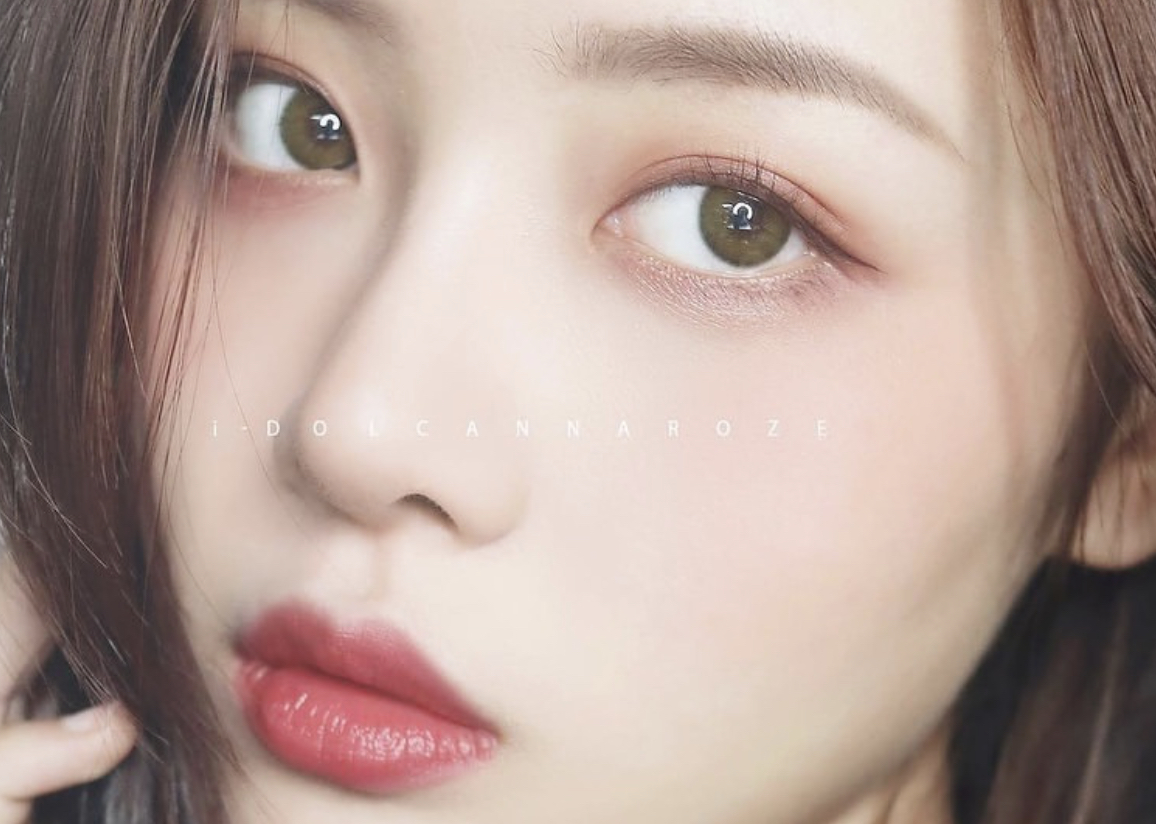
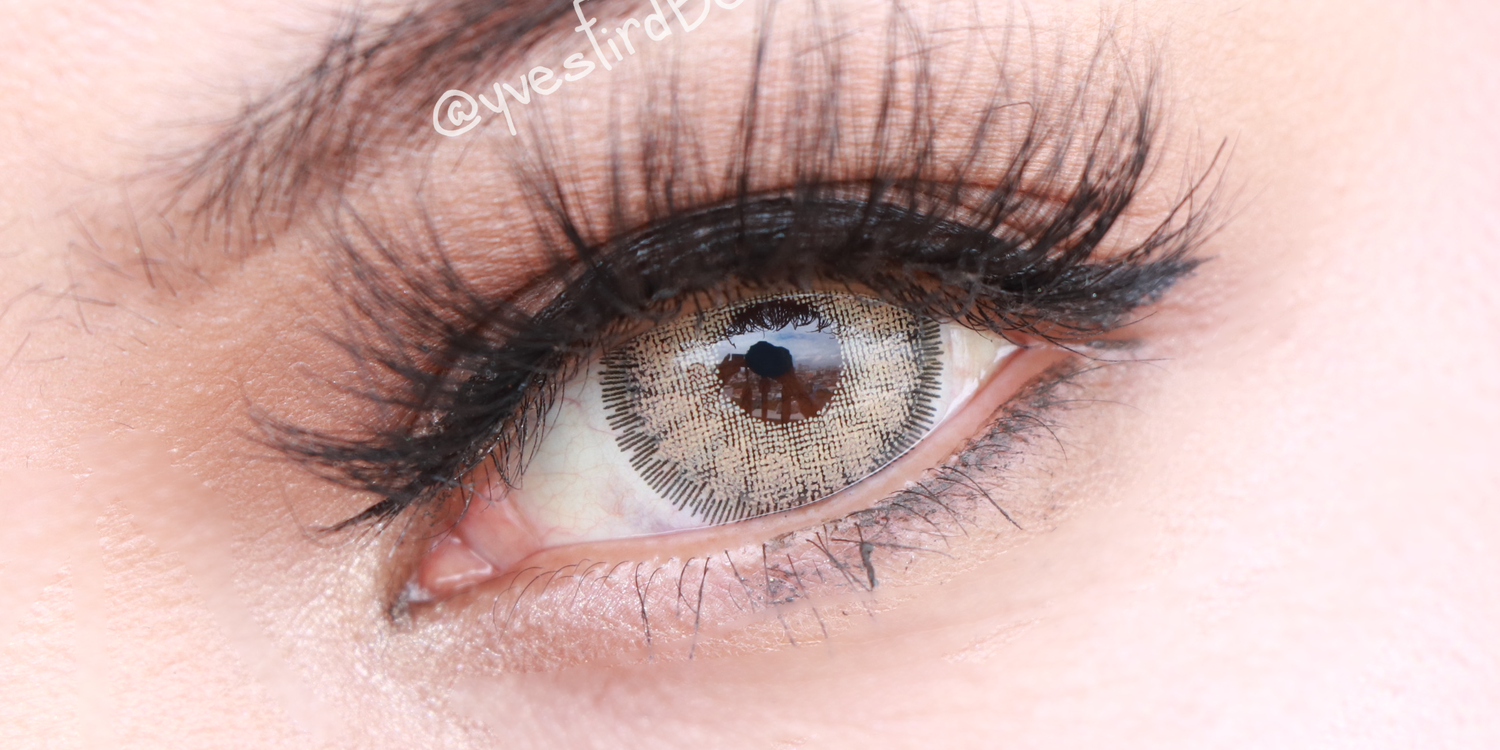
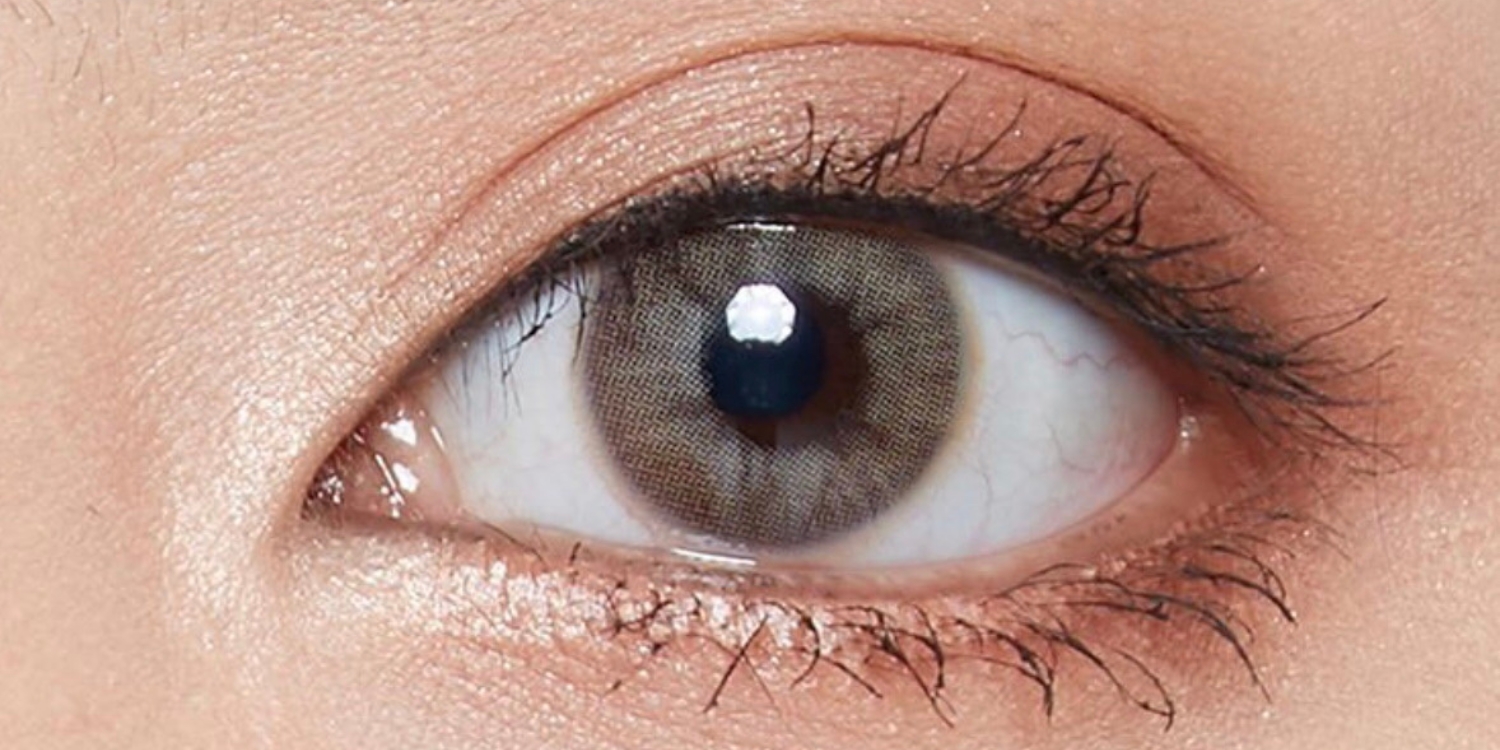
Olive — The sophisticated chameleon. Olive lenses on fair skin create a cool, mossy effect that reads as effortlessly chic. The muted green-brown tone works beautifully against lighter complexions because it adds depth without warmth overload. On fair skin, olive has an almost Scandinavian quality — clean, understated, and impossibly polished. It’s the colored contact equivalent of a perfectly tailored linen shirt: simple, but everyone notices.
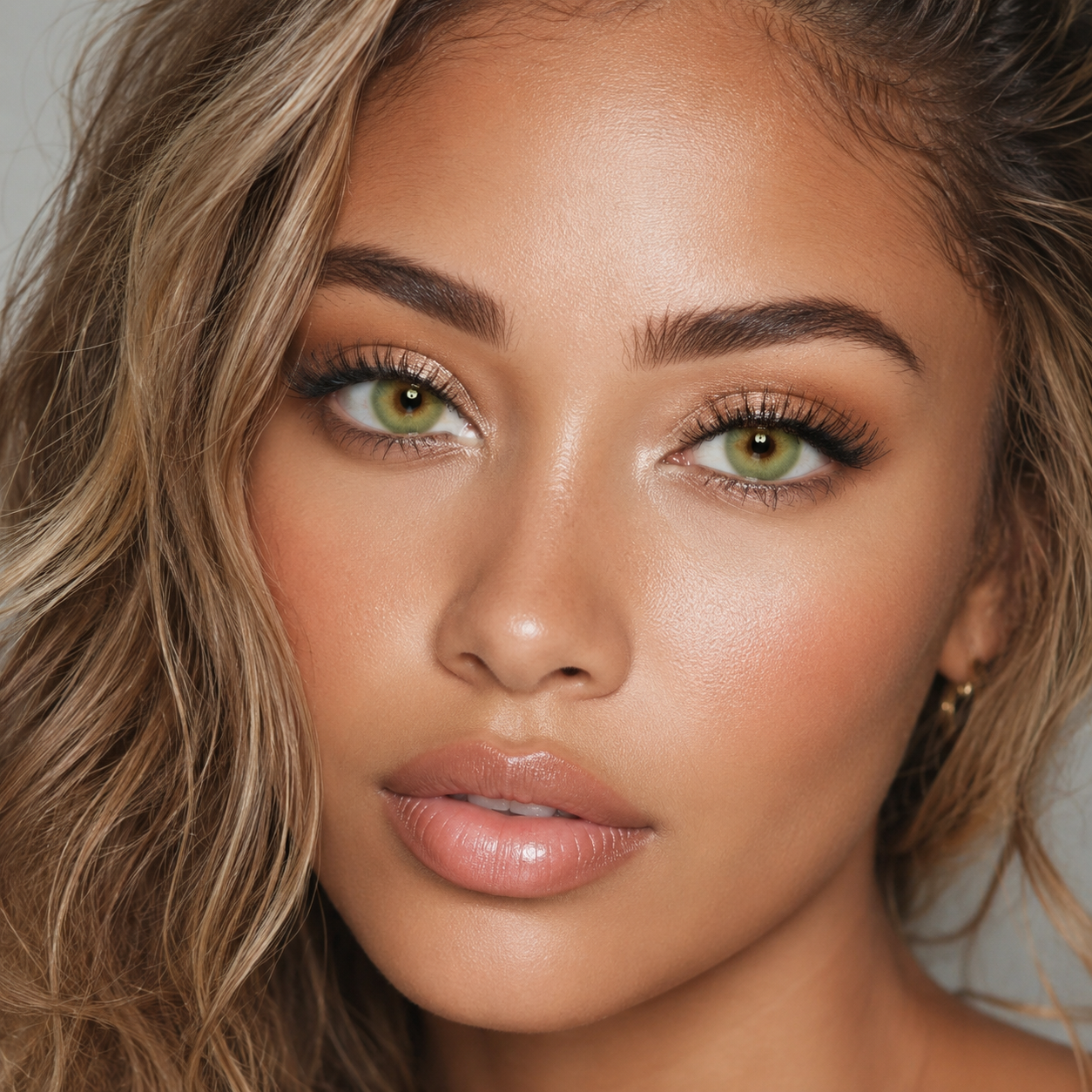
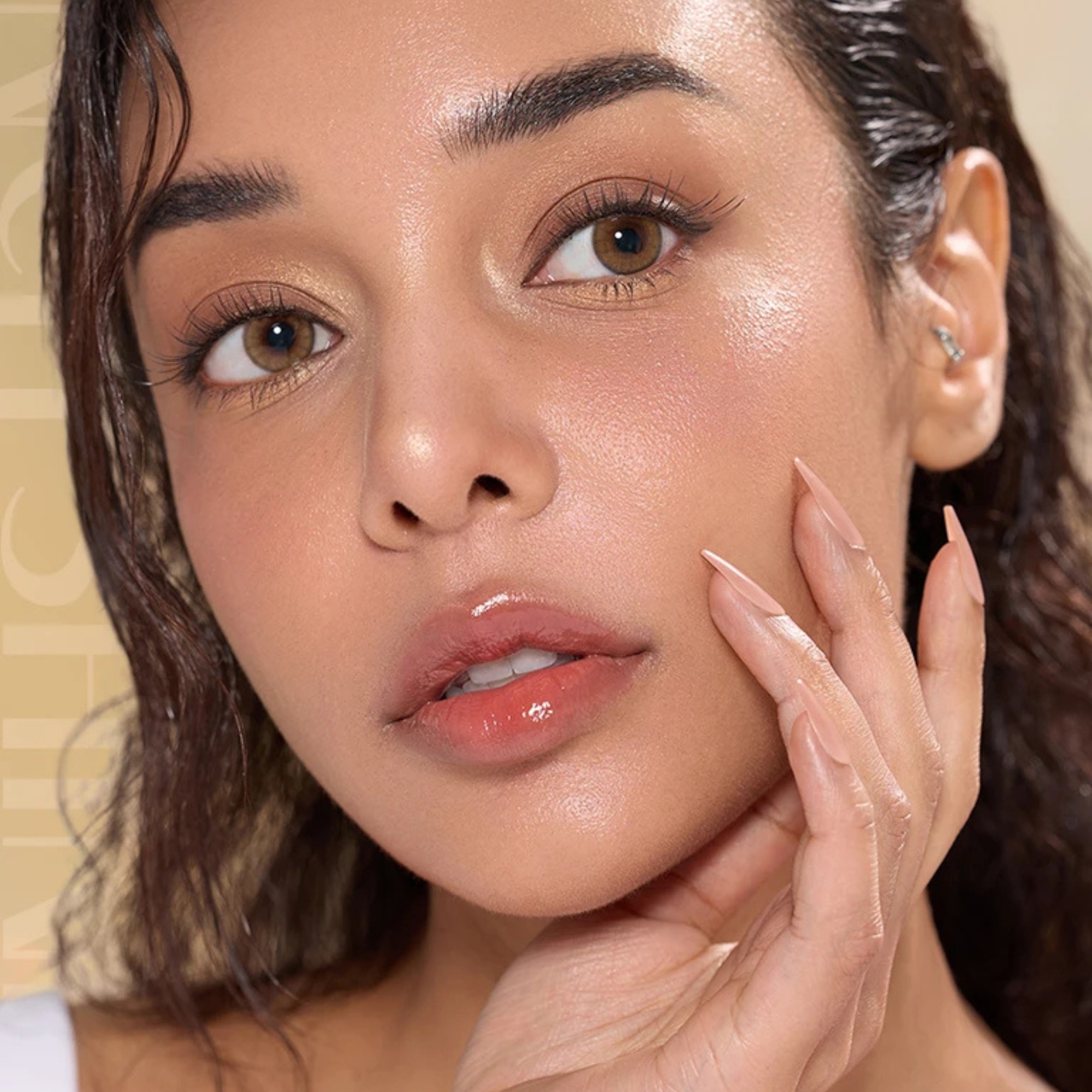
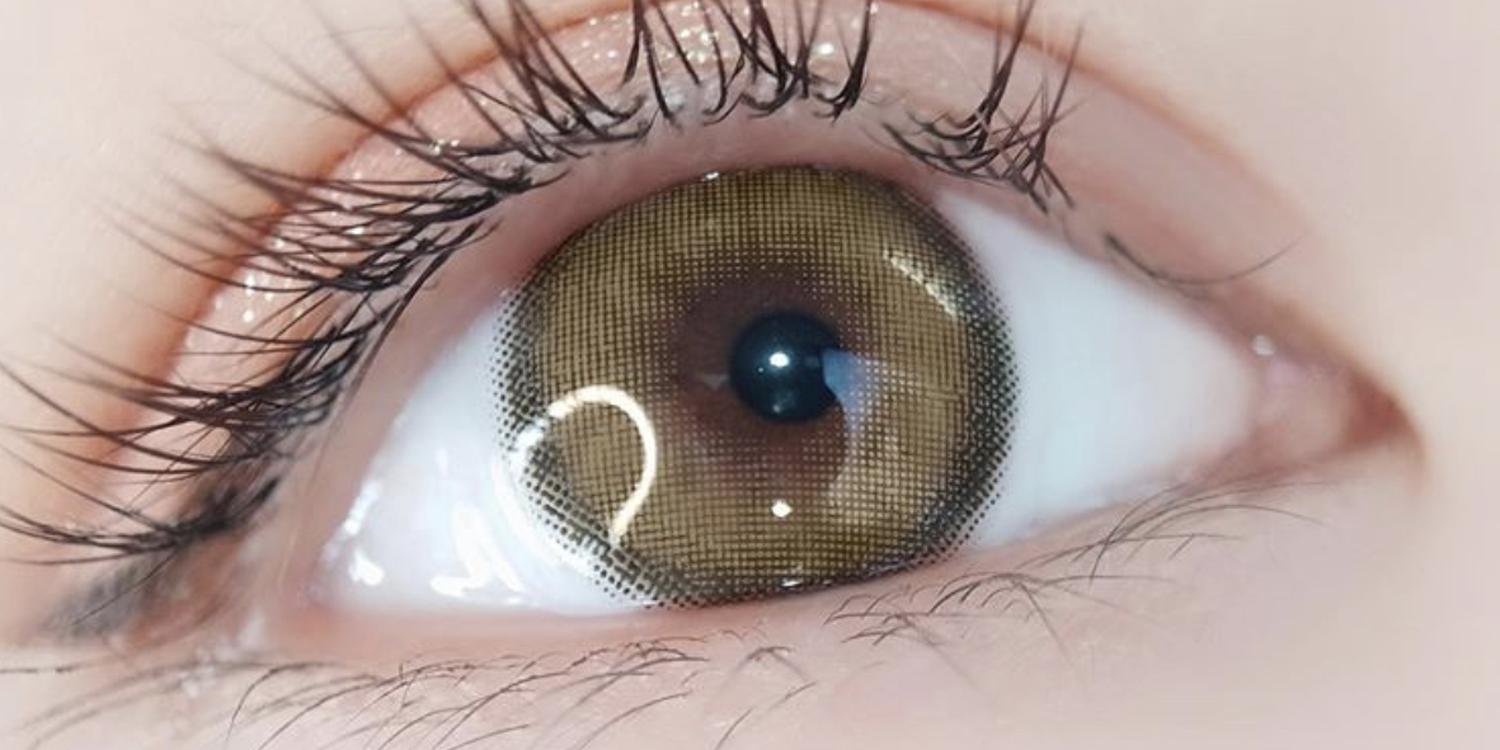
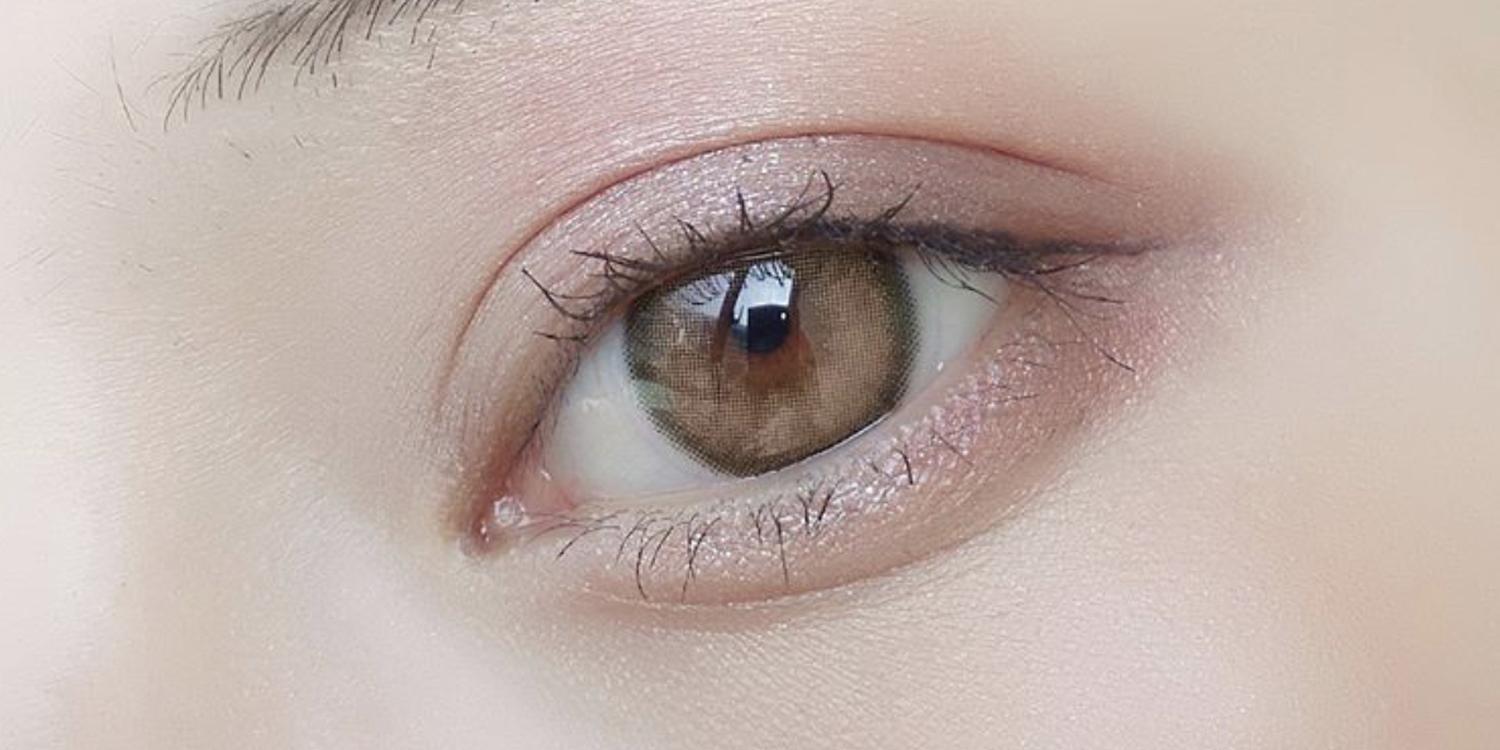
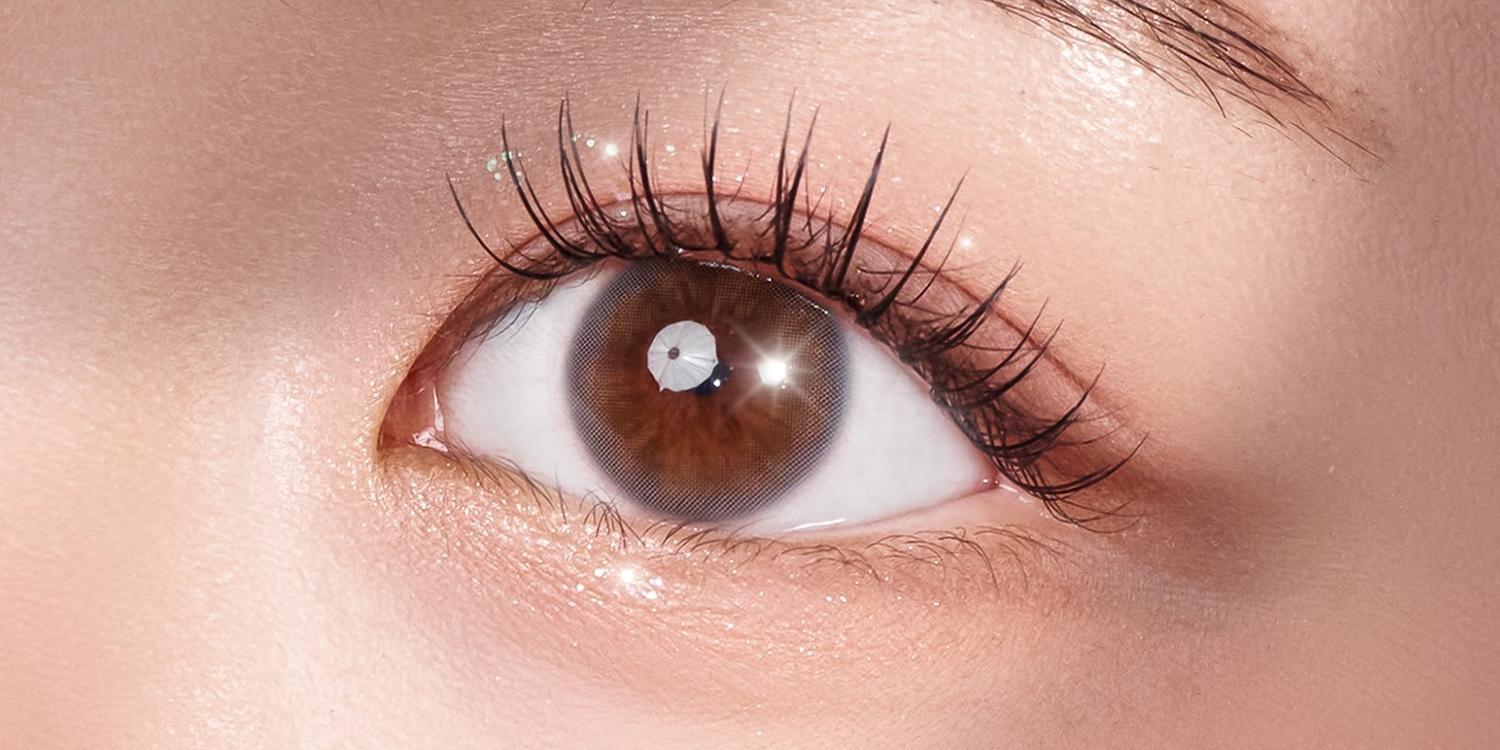
Hazel — The warm glow. Hazel lenses against fair skin create a warm, luminous effect — especially versions that lean green rather than pure amber. The golden-green tones pick up light beautifully and contrast softly with lighter skin, creating a look that’s both natural and captivating. On fair skin with dark features (dark hair, dark brows), hazel eyes create a romantic, almost cinematic combination. Think period drama lead, but with better contact lenses.
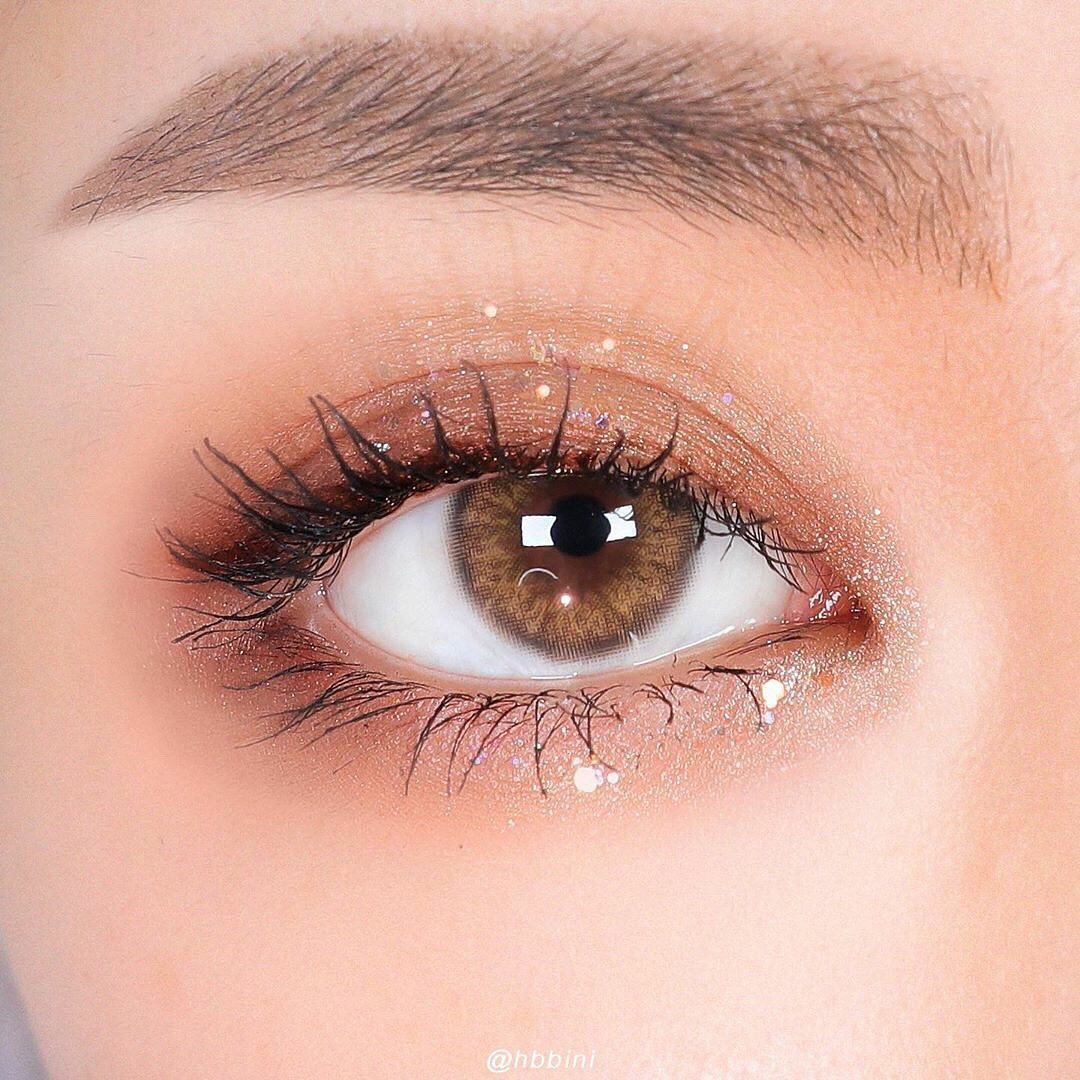
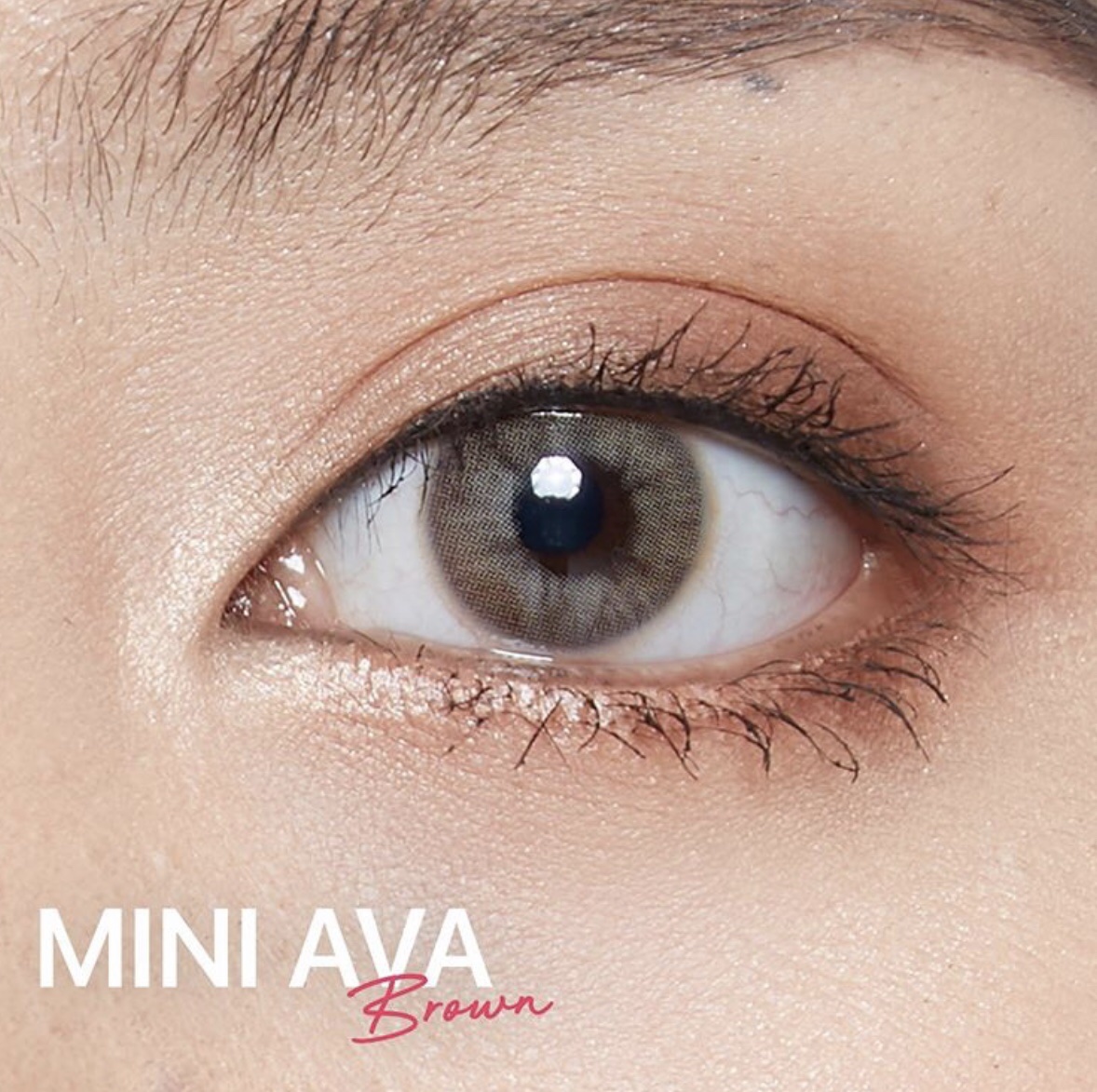
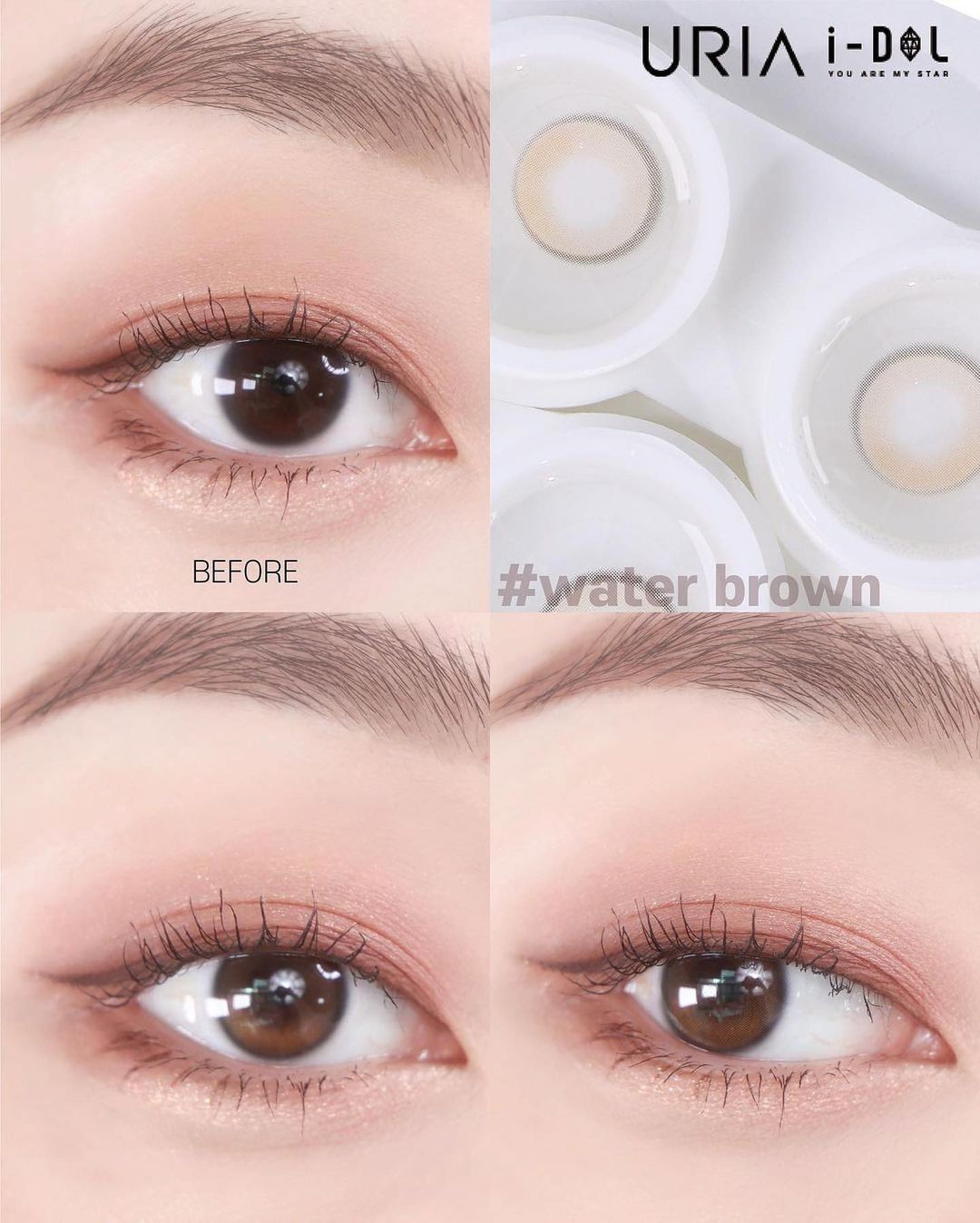
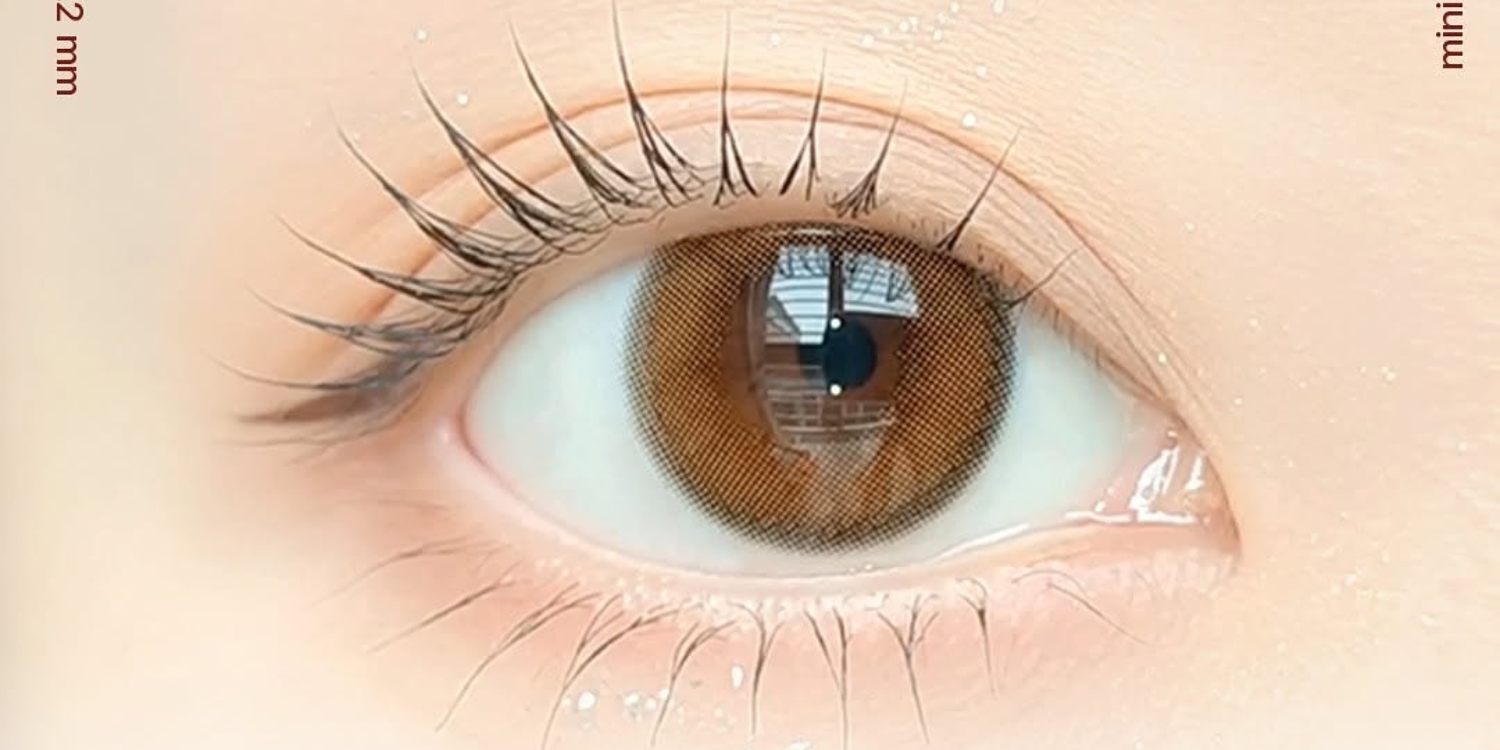
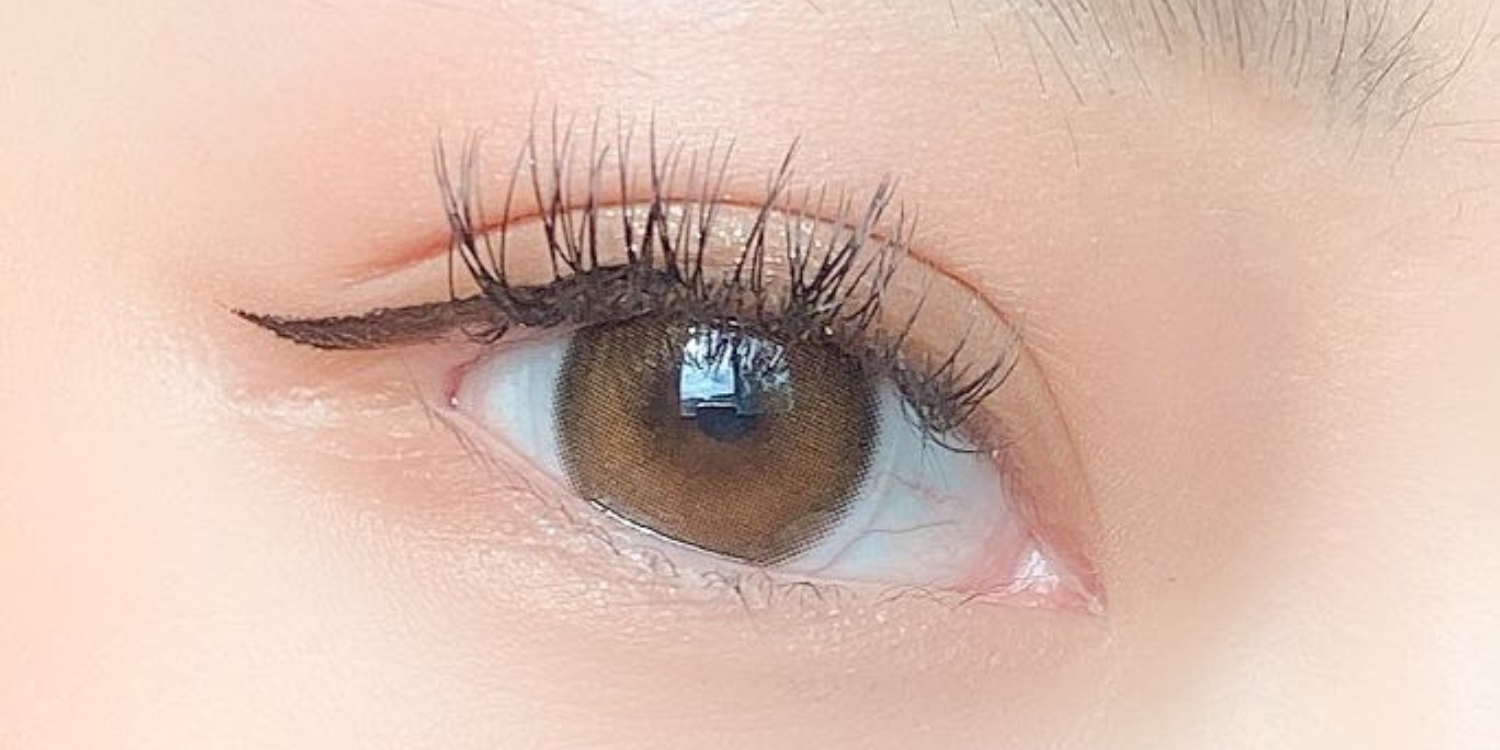
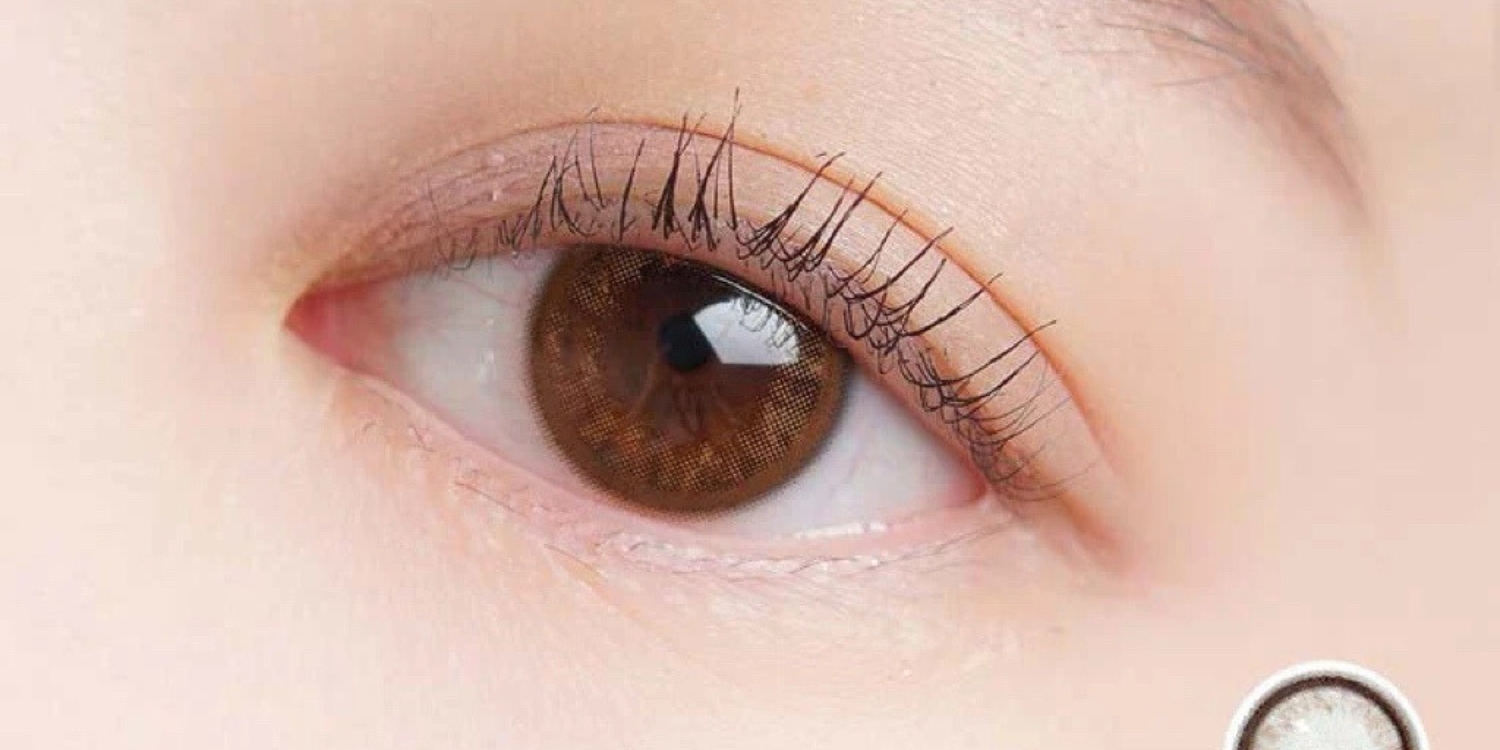
Light Brown / Beige — The quiet brightener. Enhanced brown lenses lighten your dark irises to a warm, honey-toned brown that looks entirely plausible on fair skin. The effect is subtle but meaningful — your eyes look brighter, warmer, and more open. This is the upgrade for people who don’t want a color change, just a luminosity boost. Your eyes, but with the brightness slider turned up.
Best Dramatic Colors for Fair Skin and Dark Eyes
Fair skin with dark eyes is already a contrast-rich combination. Adding a dramatic lens color amplifies that contrast into something genuinely striking:
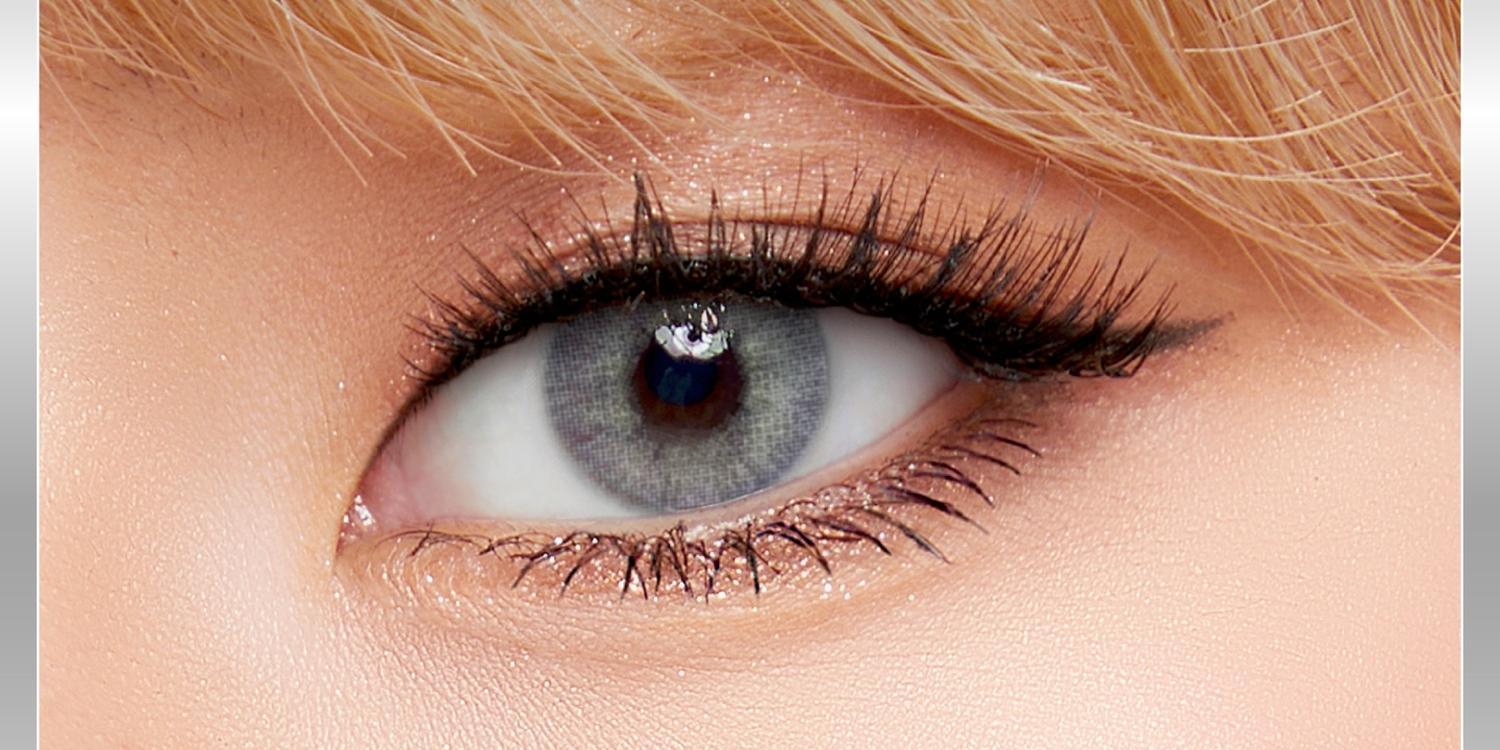
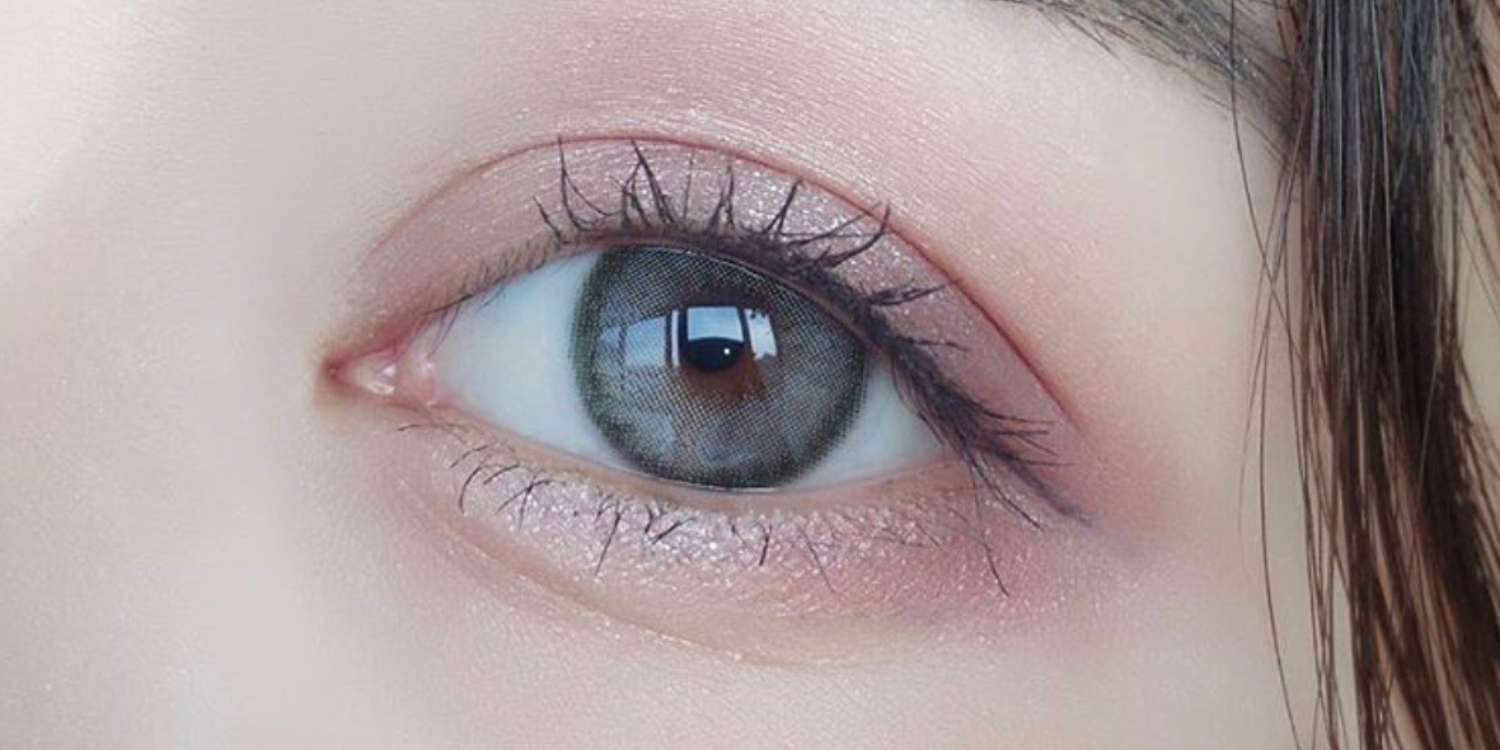
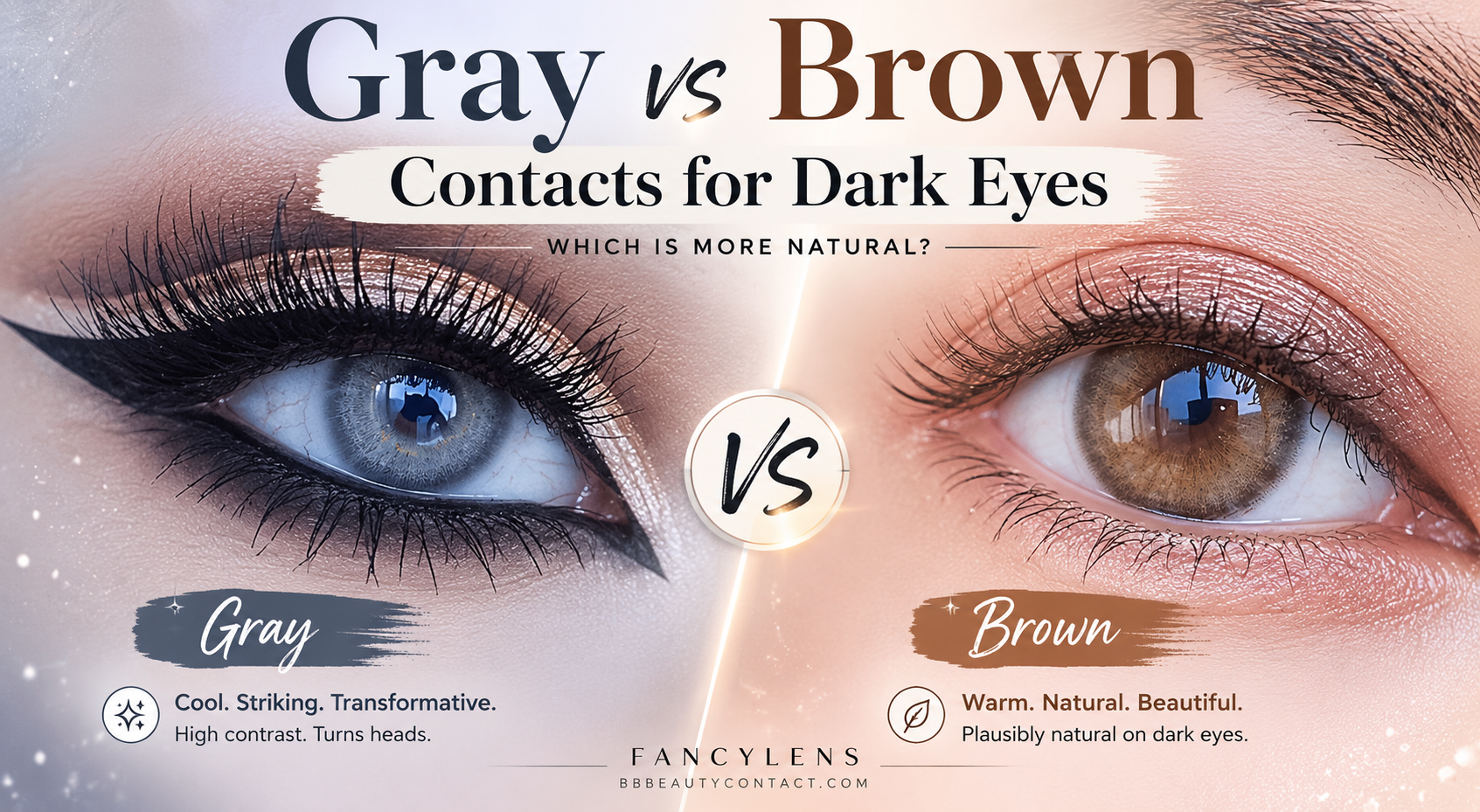
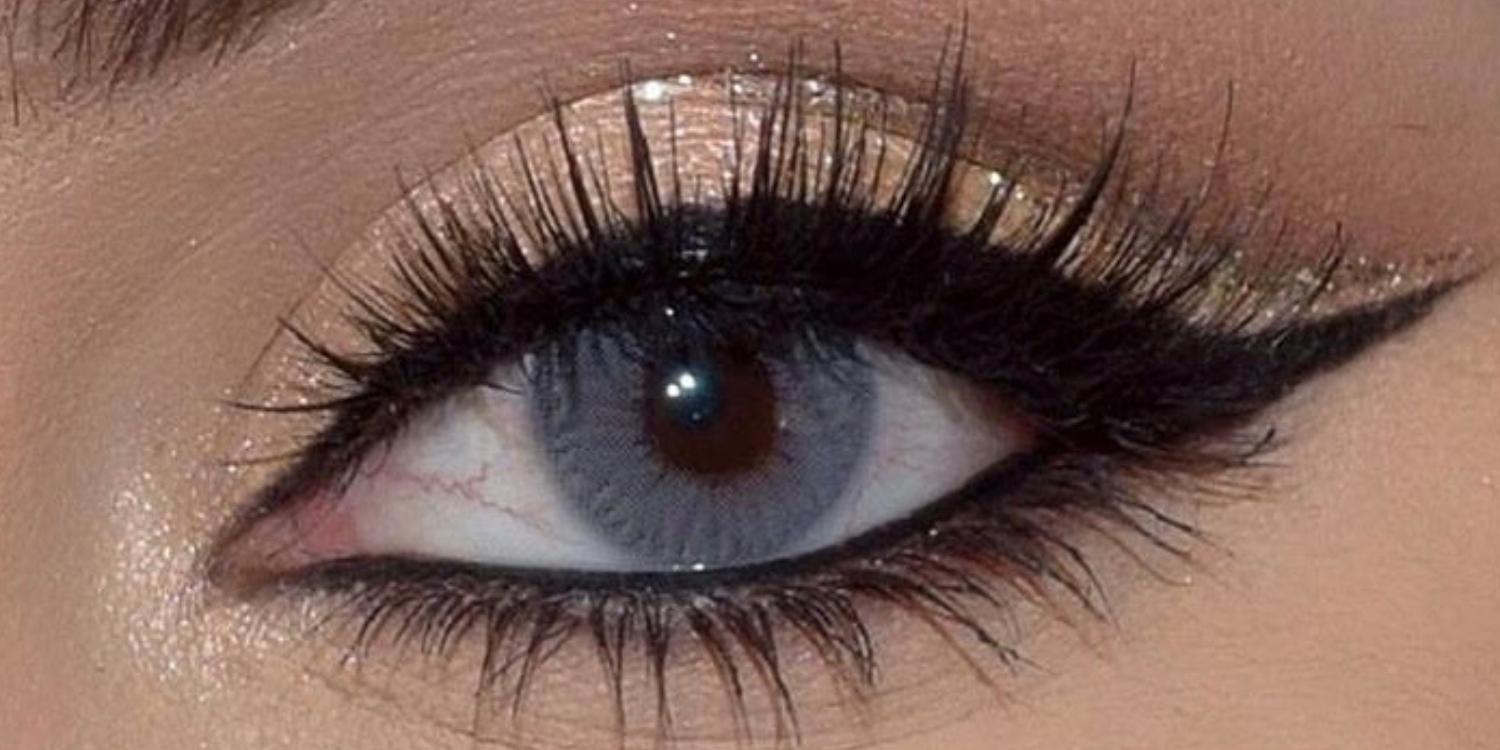
Gray — The ice queen. Gray contacts on fair skin produce a cool, almost ethereal quality. Because fair skin doesn’t compete with the gray tone the way warm skin does, the lens color reads as crisp and defined — like your eyes were cut from silver. On fair skin with dark hair, the effect is particularly striking: light eyes, dark frame, pale canvas. It’s the combination that makes portrait photographers reach for their cameras uninvited.
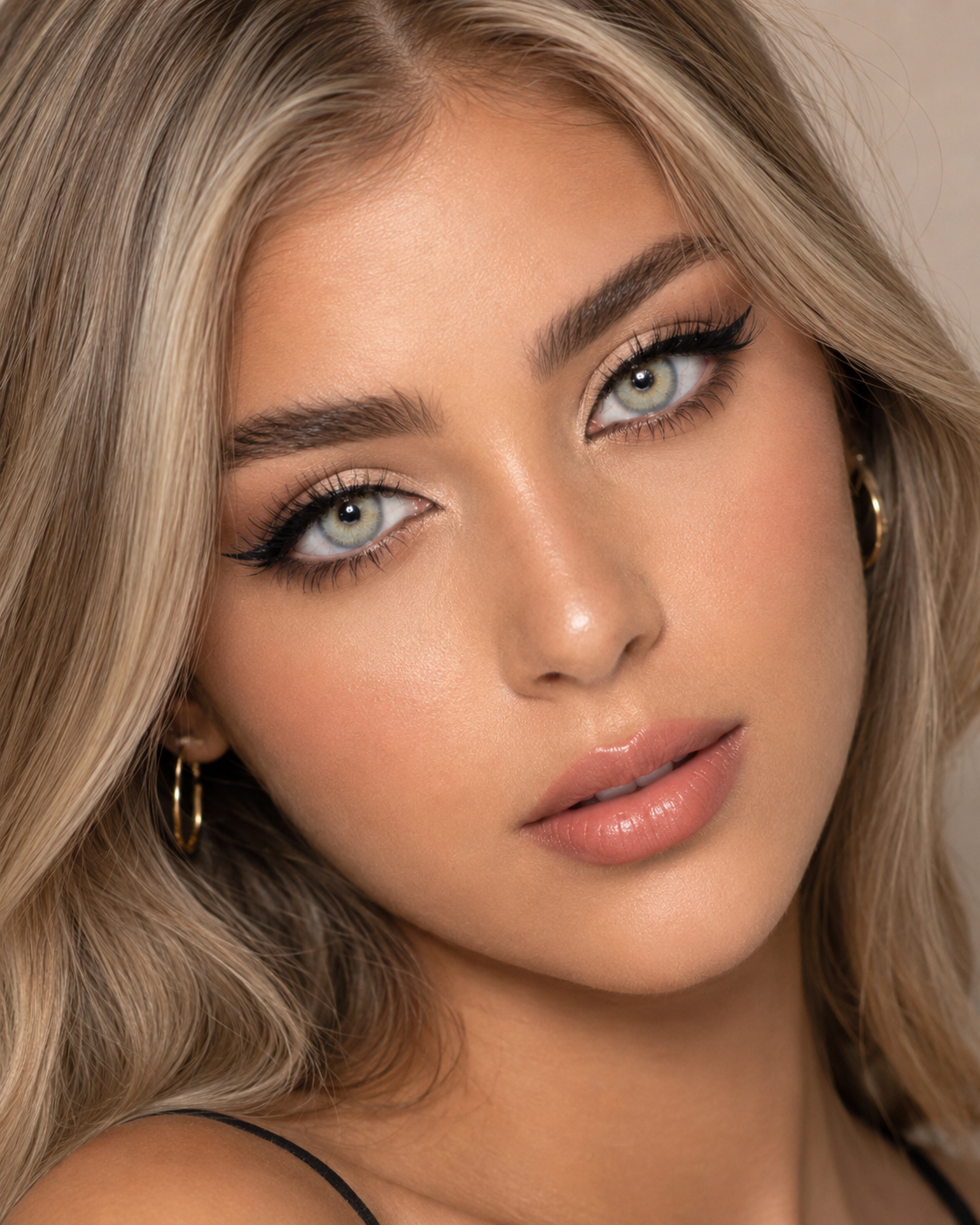
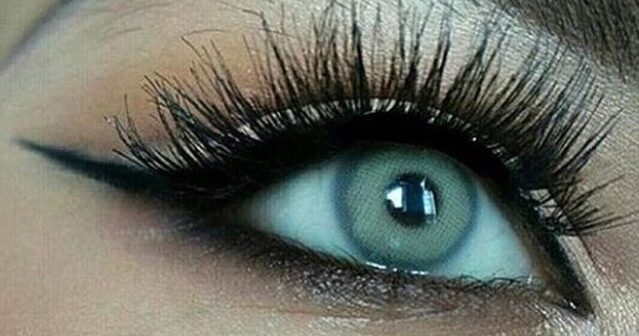
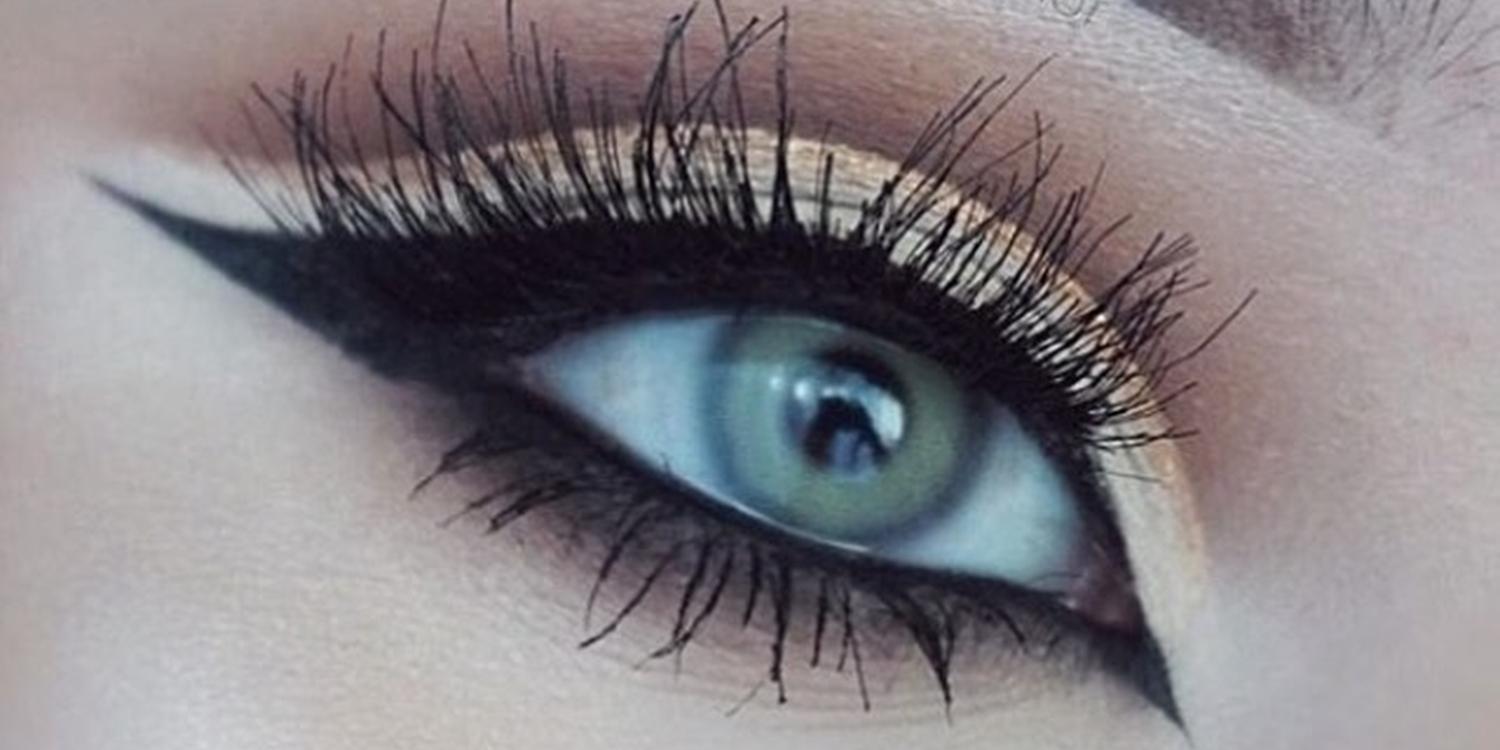
Blue — The classic. Blue contacts on fair skin look the most “naturally possible” of any dramatic option because blue eyes and fair skin frequently coexist genetically. This gives blue lenses on fair skin a plausibility advantage that darker skin tones don’t get. Choose medium-depth blues with gray undertones for the most realistic effect, or vivid blues for maximum impact. Either way, fair skin makes blue lenses look like they belong there.
Green — The nature-inspired standout. Green contacts on fair skin create a fresh, spring-like effect that’s vibrant without being overpowering. Cool greens and forest tones complement fair complexions especially well, creating a woodland, fairy-tale quality. Green with dark eyes on fair skin is one of those combinations that looks like it was designed by an art director — every element works together.
Colors to Approach with Caution on Fair Skin
Again, no color is off-limits — but some shades need more careful selection on lighter complexions:

Very warm amber or golden tones without enough green or brown to ground them can sometimes clash with cool-toned fair skin, creating an orange-ish cast that doesn’t quite harmonize. The fix: choose hazel lenses with green undertones rather than pure amber, and you’re golden. (Pun intended, regret not included.)
Very dark or highly saturated colors (deep brown, near-black) can appear heavier on fair skin because the contrast between your complexion and the lens is amplified. This isn’t necessarily bad — it can look intense and editorial — but it’s a more deliberate choice. For a softer effect, choose lighter or more blended versions of the same hue.
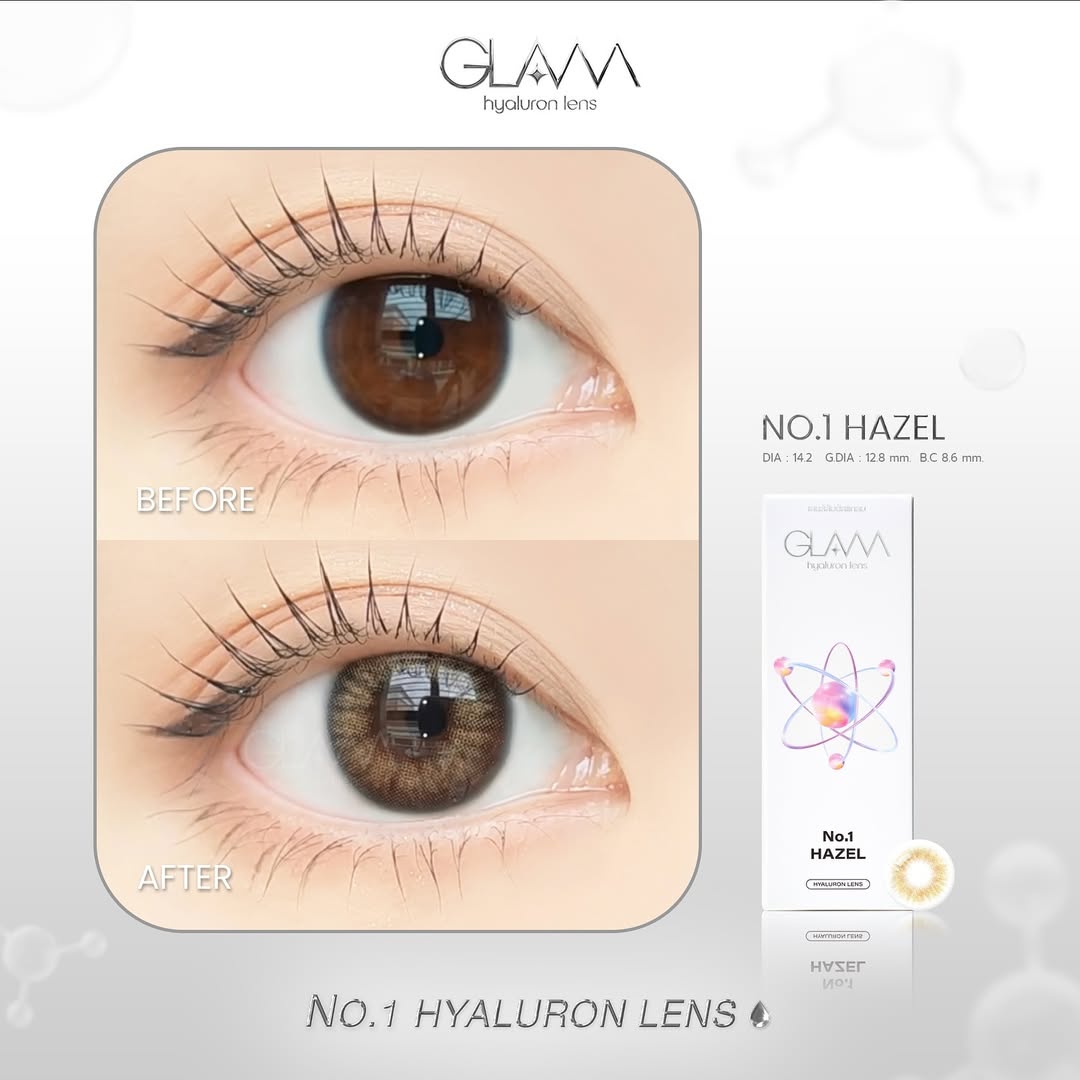
As with any skin tone, flat, single-tone lenses look less realistic than multi-tonal designs. But this matters even more on fair skin because the lighter background makes every lens detail more visible — texture, blending, and color depth are all on display. Quality shows, and so does the lack of it. For before-and-after reference photos, check our gallery.
Our Top Picks for Fair Skin and Dark Eyes
These six lenses are our best performers on fair-skinned customers with dark eyes. All are manufactured by manufacturers registered with the Korean FDA (MFDS) and available with prescription.
1. OLENS French Shine Hazel — Dewy Warm Elegance

Diameter: 14.2mm | Water content: 38% | Wear: Monthly | Price: $29.00 at Fancylens
French Shine Hazel has a glassy, dewy quality that gives eyes a lit-from-within glow. The hazel tone leans slightly green-gold rather than pure amber, which makes it especially flattering on fair skin — the cooler green undertones balance the warmth beautifully. On fair complexions with dark eyes, this lens creates a romantic, soft-focus effect: warm eyes, delicate skin, effortless sophistication. It’s the lens that looks like it comes with its own Instagram filter, except it works in real life.
2. OLENS Scandi Olive — Nordic Cool
Diameter: 14.2mm | Water content: 38% | Wear: Monthly | Price: $29.00 at Fancylens
Scandi Olive on fair skin is perfection. The cool gray-green tone mirrors Scandinavian aesthetics — clean, understated, impossibly chic. The fine OLENS dot pattern creates smooth, realistic iris texture, and the muted olive tone blends so naturally with dark irises that the change is almost subliminal. On fair skin, the cool green undertone complements pink or neutral undertones beautifully. This is the lens for people who consider minimalism a lifestyle, not just a design trend.
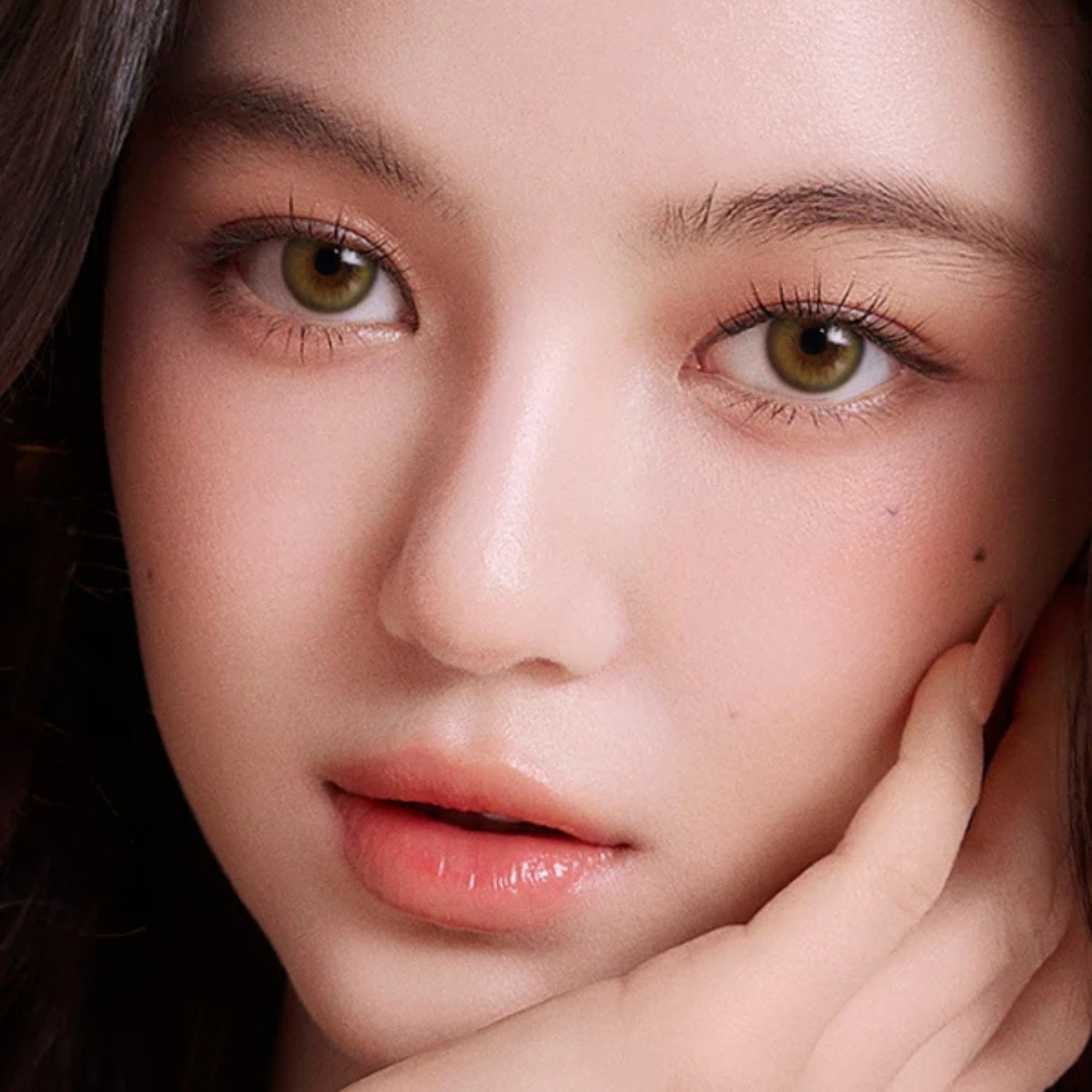
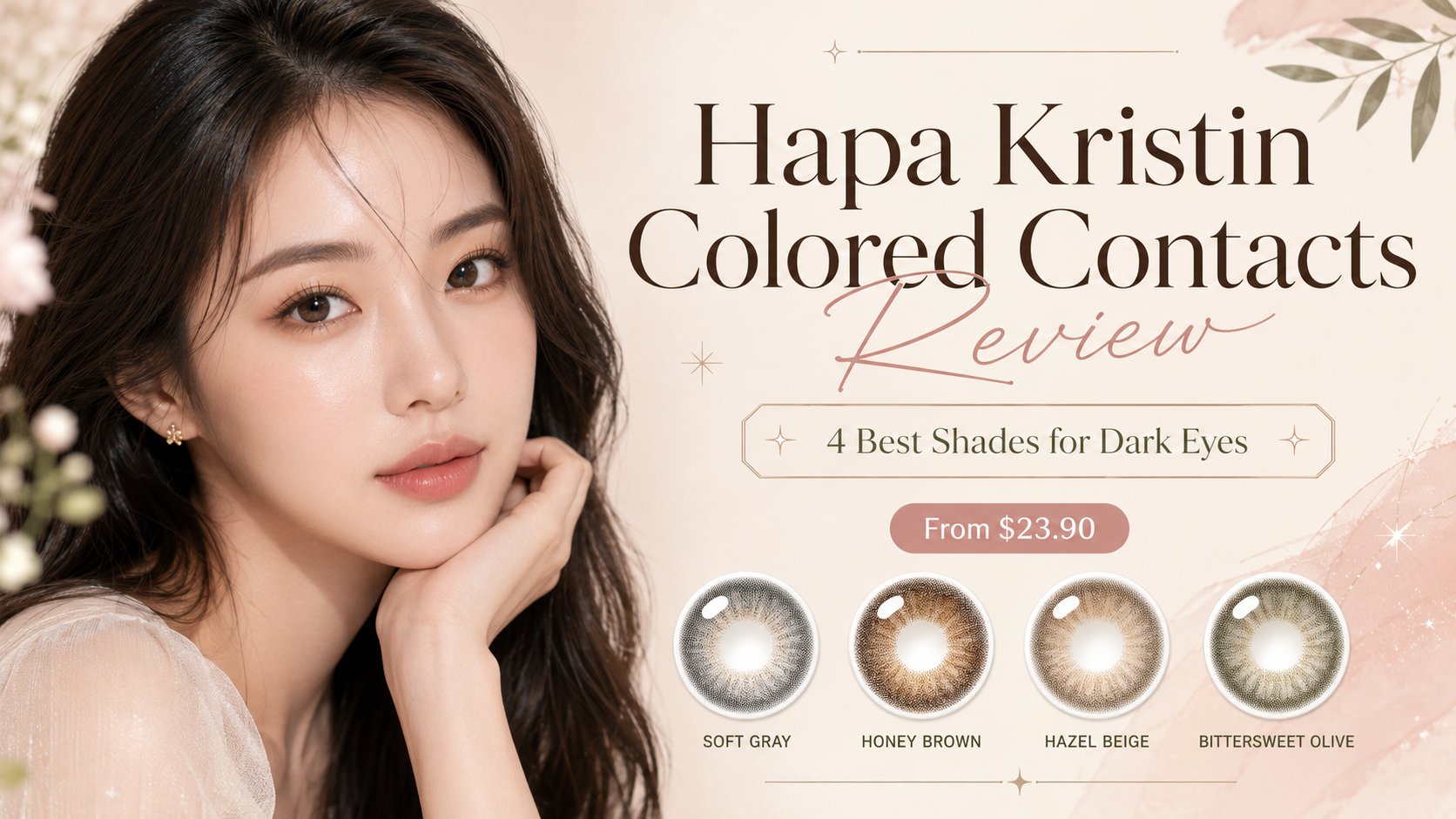
3. Hapa Kristin One and Only Beige — The Soft Brightener
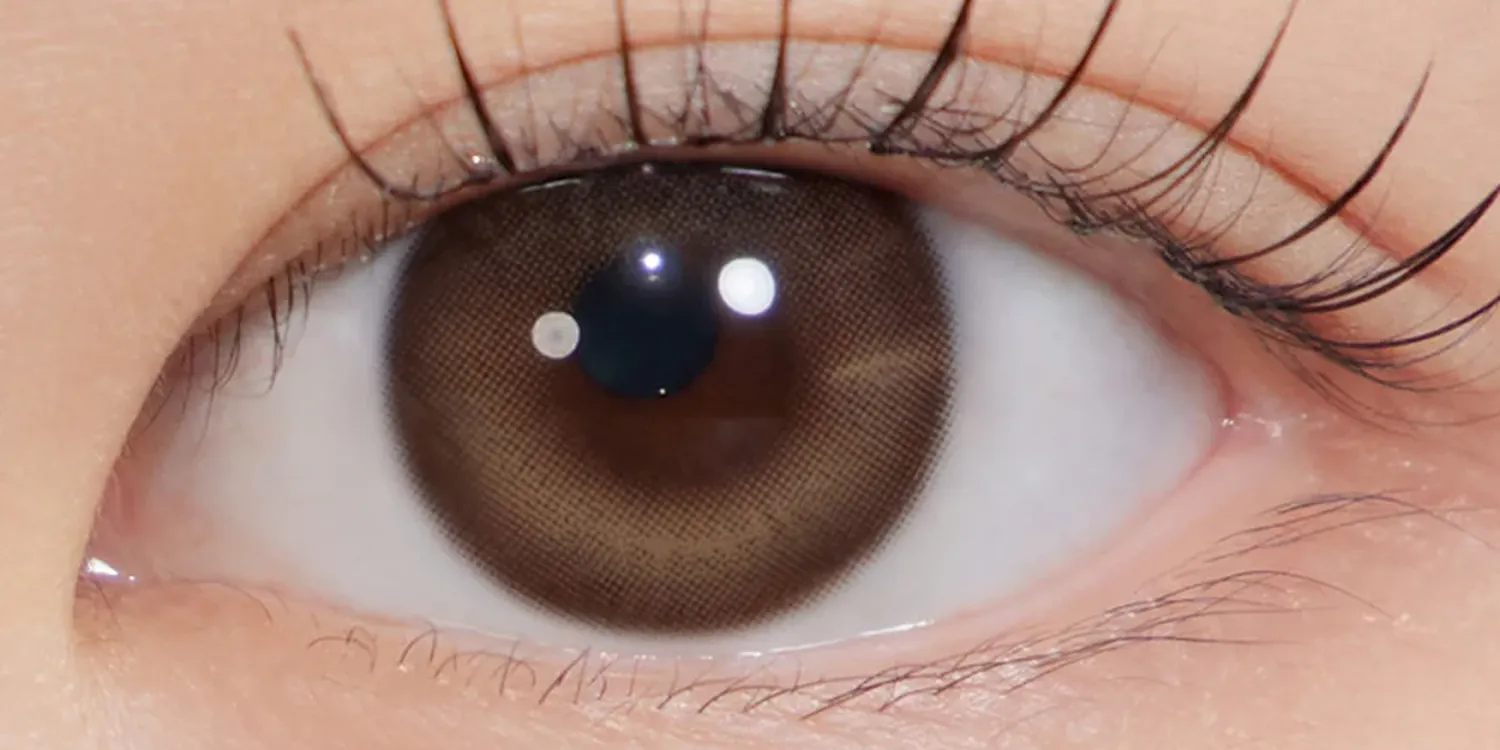
Diameter: 14.2mm | Water content: 48% | Wear: Monthly | Price: $36.90 at Fancylens
One and Only Beige adds a warm, creamy luminosity to dark eyes without changing the base color dramatically. On fair skin, this subtle brightening effect is especially noticeable — your eyes become the warm focal point of your face, glowing gently against your lighter complexion. The 48% water content keeps comfort high for all-day wear, and the 14.2mm diameter sits perfectly within the natural iris boundary. This is the “your eyes but better” lens for fair-skinned customers who want enhancement, not transformation.
4. Dreamcolor Teresa Gray — Silver Sophistication
Diameter: 14.5mm | Water content: 38% | Wear: Monthly | Price: $18.90 at Fancylens
Teresa Gray on fair skin is one of the most elegant combinations in the Fancylens catalog. The cool, silvery gray tone reads as crisp and refined against lighter complexions, and the fine radiating iris pattern gives the lens a realistic, high-definition quality. At 14.5mm, it adds subtle enlargement that opens up the eyes for a wide, expressive look. On fair skin with dark hair and brows, this lens creates the kind of contrast that makes strangers do a double take — in the best possible way.
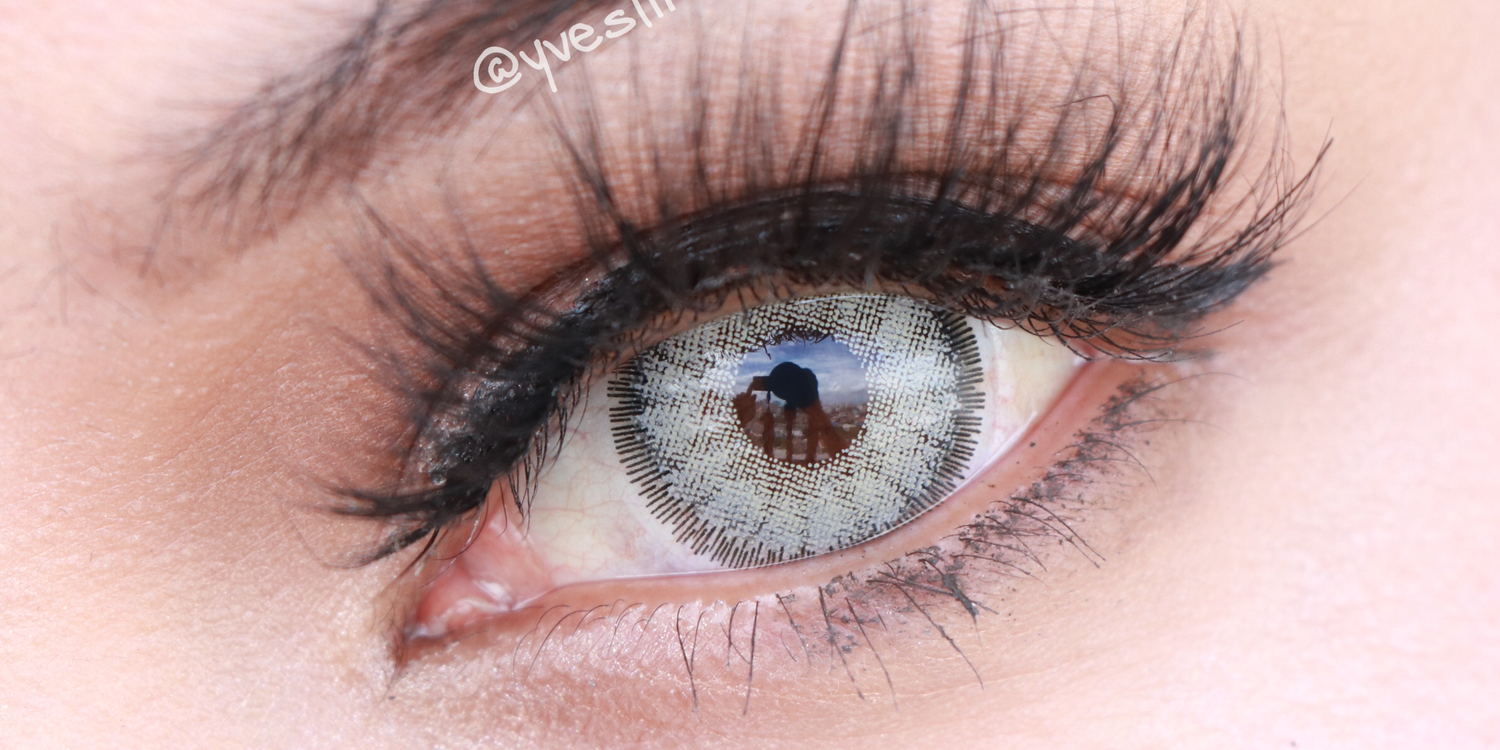
5. Dreamcolor Teresa Blue — Classic Blue Eyes
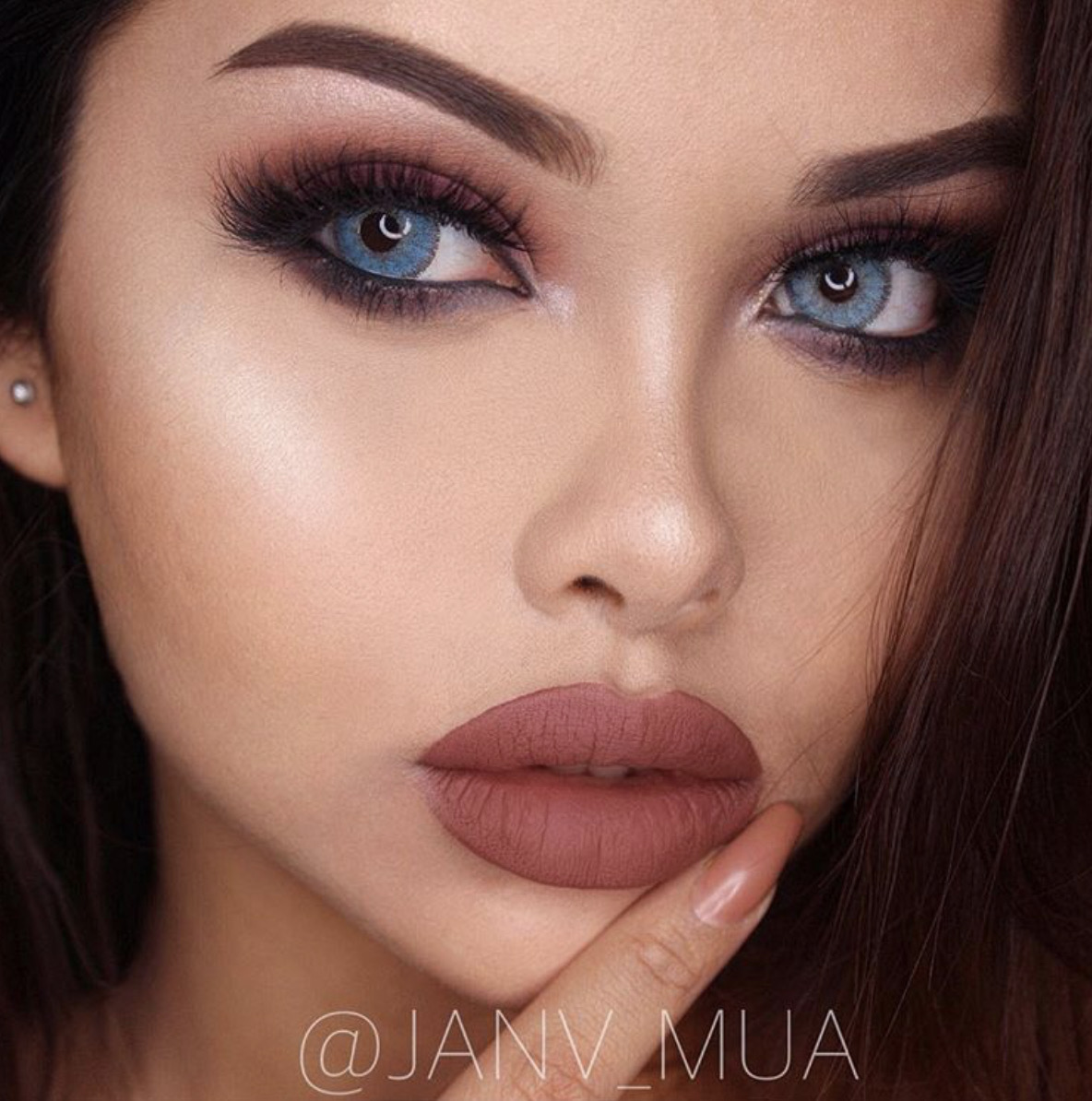
Diameter: 14.5mm | Water content: 38% | Wear: Monthly | Price: $18.90 at Fancylens
Teresa Blue delivers a vivid, sapphire-leaning blue that looks especially plausible on fair skin. Because blue eyes and fair skin frequently occur together genetically, this combination has a built-in believability advantage. The radiating iris pattern adds depth and dimension, preventing the flat look that cheaper blue lenses can produce on dark eyes. At 14.5mm, the enlarging effect adds to the drama. This is the lens for fair-skinned customers who always wondered what they’d look like with blue eyes — spoiler: the answer is “really, really good.”
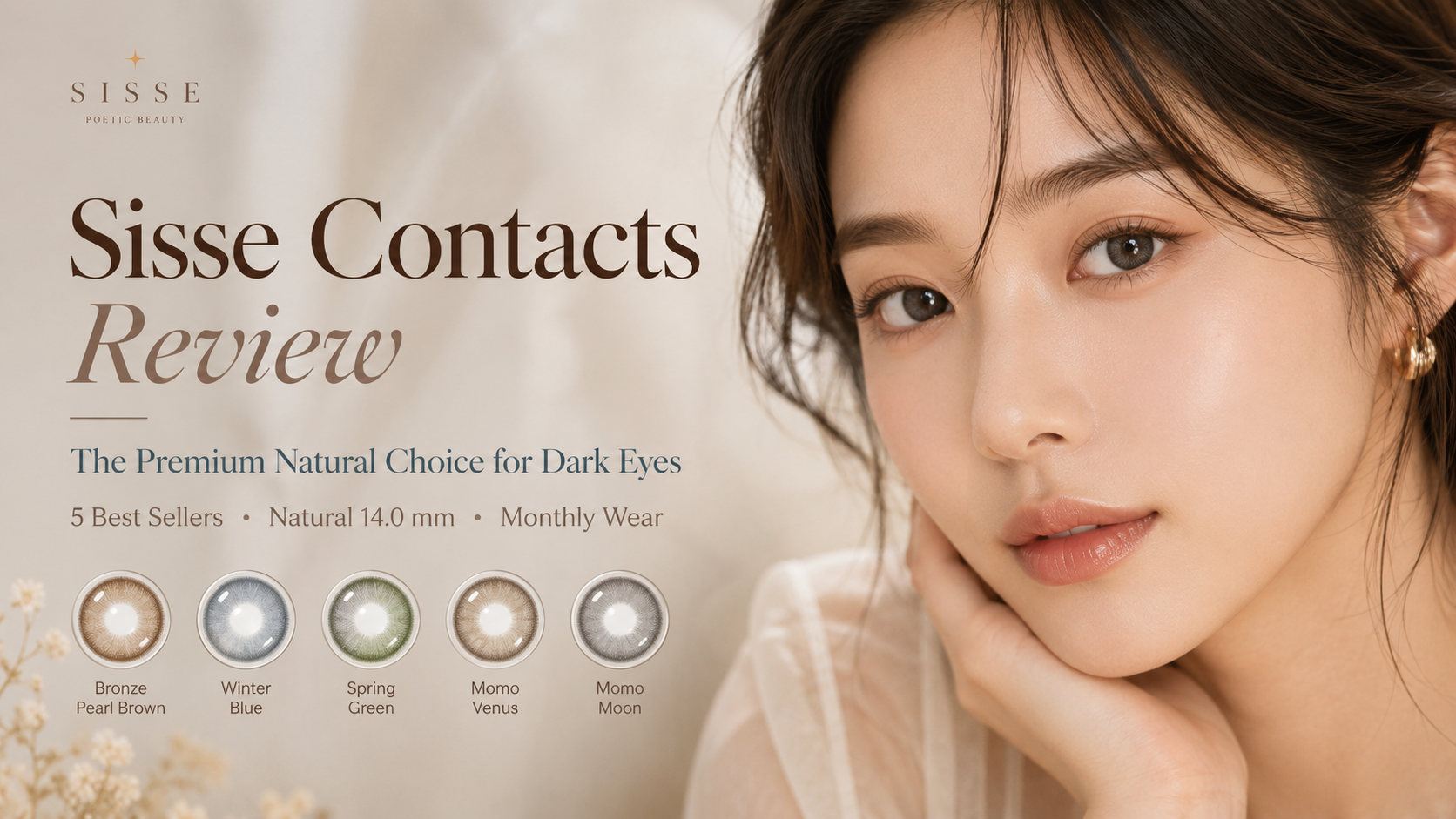
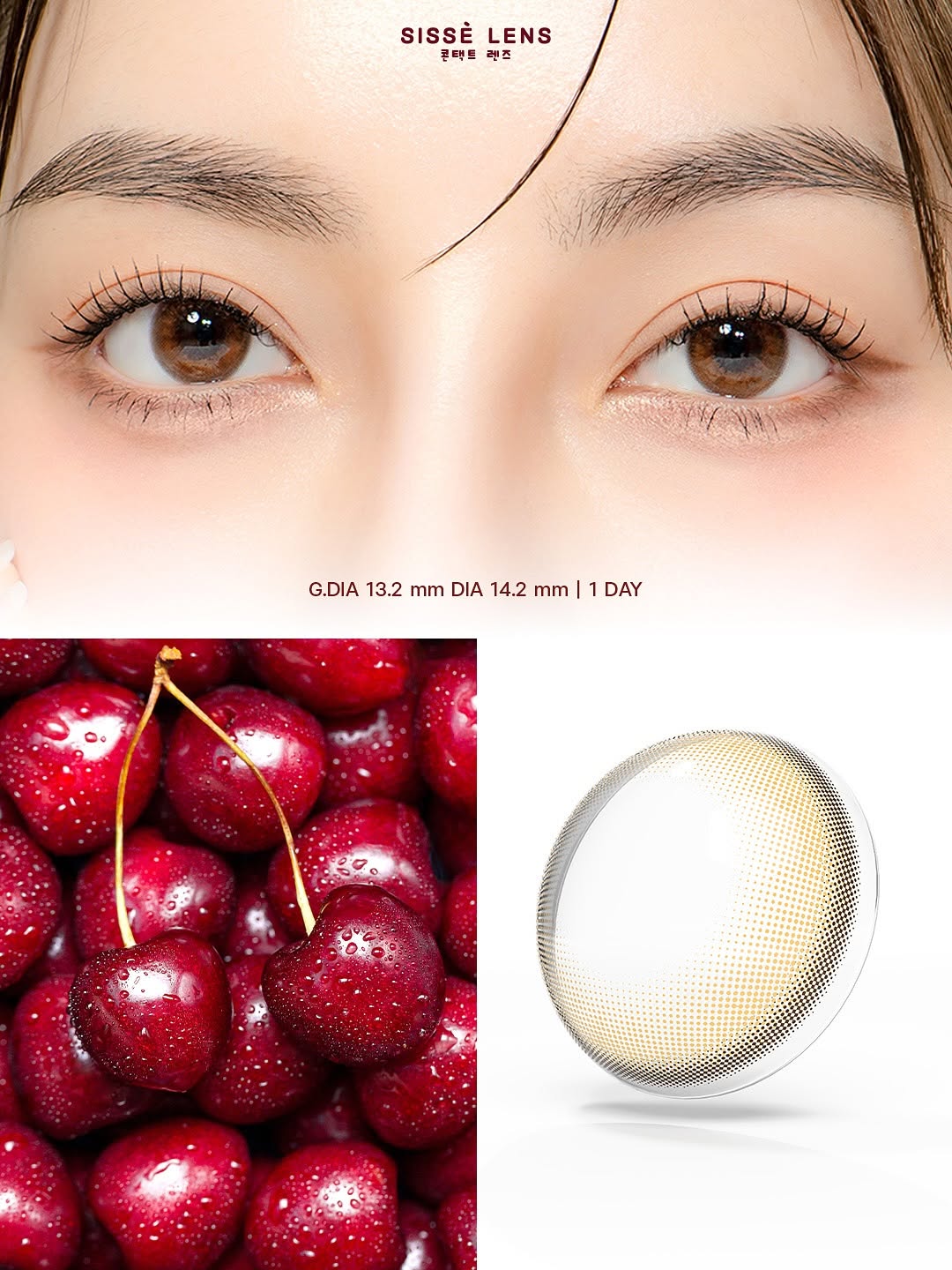
6. Sisse Spring Green — Fresh Forest
Diameter: 14.0mm | Water content: 48% | Wear: Monthly | Price: $36.90 at Fancylens
Spring Green creates a fresh, nature-inspired green on dark eyes that looks particularly vibrant against fair skin. The green tone is bright but grounded — more spring meadow than neon sign — and the 14.0mm diameter keeps everything within the natural iris boundary for maximum subtlety. On fair complexions, this lens creates a woodland-fairy quality that’s both vivid and wearable. The 48% water content makes it one of the most comfortable options for all-day wear, so your eyes can be enchanted without being tired.

Matching Your Contacts to Makeup and Style
Fair skin makes colored contacts more visible, which means your styling choices have a bigger impact on the overall effect:
With natural contacts (olive, hazel, beige): Minimal makeup lets the lens do its subtle work. A clean base, groomed brows, and a swipe of mascara is often all you need. These natural tones on fair skin look their best when the rest of your look is understated — the “effortlessly beautiful” aesthetic. If you add eyeshadow, stay in the taupe, champagne, or soft pink family. Think soft, not invisible; polished, not bare.
With dramatic contacts (gray, blue, green): You can go one of two directions. A clean, minimal face with bold eye color creates an editorial, high-fashion vibe — the lens is the statement piece. Alternatively, a warm-toned makeup look (bronzy lids, warm blush) paired with cool-toned contacts creates a beautiful warm-cool tension that looks intentional and sophisticated. The one thing to avoid: matching your eyeshadow color to your contacts. Teal eyeshadow with teal contacts doesn’t make you look coordinated; it makes you look like you got dressed in the dark.
Universal tip for fair skin: Don’t skip SPF or blush. Fair skin can look washed out in photos if there’s too much pale canvas competing with the eyes. A touch of color on your cheeks gives your face dimension and ensures your colored contacts remain the focal point rather than the only point of interest.
Are Colored Contacts Safe?
Yes. Skin tone has no effect on contact lens safety — the safety considerations are about your eyes, not your complexion. All colored contacts at Fancylens are manufactured by manufacturers registered with the Korean FDA (MFDS) and meet international safety standards. The color pigment is sandwiched between polymer layers and never touches your cornea.
The U.S. FDA classifies decorative lenses as medical devices, and the CDC recommends proper care practices with all contact lenses. Don’t sleep in them, don’t swim in them, don’t share them, and replace on schedule. For the full breakdown, see our complete safety guide.
One note specific to fair skin: if you have sensitive skin that tends toward redness, ensure your hands are thoroughly washed and dry before handling contacts. Lens solution on irritated skin around the eyes is about as pleasant as it sounds (not very), and nobody wants red, puffy eyes competing with their gorgeous new contact color.
Frequently Asked Questions About Colored Contacts for Fair Skin
What color contacts look best on fair skin with dark eyes?
Cool-toned naturals like olive and green-leaning hazel are the most flattering natural options. For drama, gray and blue look exceptionally polished on fair skin because they complement the lighter backdrop. Fair skin makes both subtle and bold colors look refined.
Do blue contacts look natural on fair skin?
More natural than on any other skin tone. Blue eyes and fair skin frequently coexist genetically, so blue contacts on fair skin have a built-in plausibility advantage. Choose multi-tonal blues with gray or teal undertones for the most realistic effect. Flat, single-shade blue lenses look less convincing regardless of skin tone.
Can fair-skinned people with dark eyes wear hazel contacts?
Absolutely. Hazel is one of the most beautiful options for fair skin with dark eyes. The warm golden-green tones create a soft, romantic contrast against lighter complexions. For the most flattering result, choose hazel lenses that lean green rather than pure amber — the green undertones harmonize better with fair skin, especially if you have cool or neutral undertones. See our hazel vs olive comparison for help deciding.
Do I need opaque lenses for dark eyes?
Yes — this is about iris melanin, not skin tone. Dark irises have high melanin that overpowers sheer tints designed for lighter eyes. All lenses at Fancylens are designed with dark eyes specifically in mind, so full opacity is built in.
Do colored contacts come with prescription?
Yes! Most lenses at Fancylens are available from 0.00 (plano) to -8.00 with prescription. You can correct your vision and change your eye color simultaneously. If you need help with your numbers, our guide on reading a contact lens prescription breaks it all down.
Which diameter is best for fair skin?
Diameter is about eye size, not skin tone. 14.0mm is the most subtle, 14.2mm is the universal standard, and 14.5mm adds visible enlargement. Fair skin does make the iris more visible against the sclera, so a slightly smaller diameter (14.0–14.2mm) can look especially natural. See our complete diameter guide for details.
How do I care for monthly lenses?
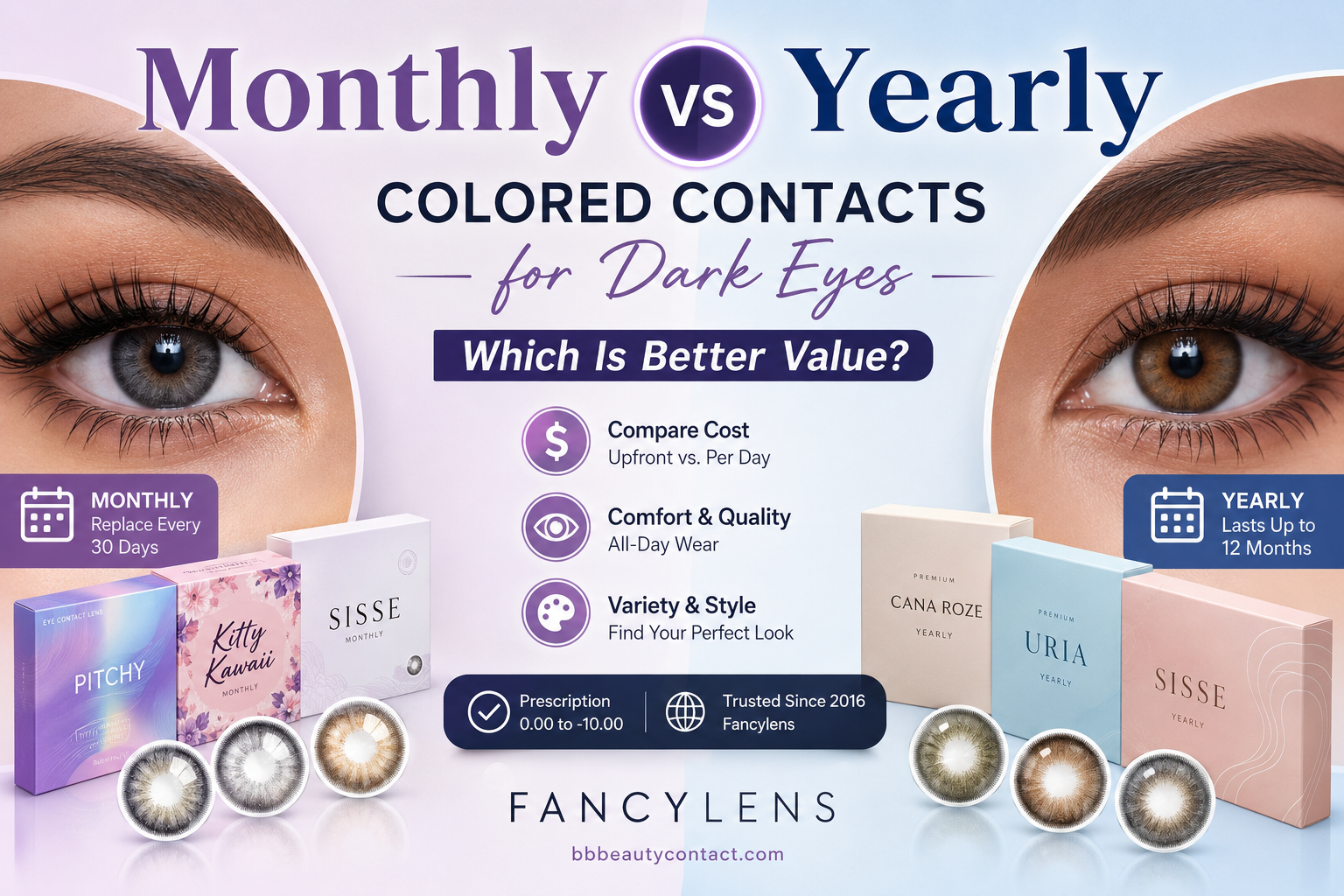
Remove nightly, clean with multipurpose solution, and store in a fresh case. Never sleep in them, never use tap water, and replace monthly lenses after 30 days. Our daily care guide has the full routine — it takes about 90 seconds and keeps your eyes and lenses in top condition.
Are Fancylens contacts safe?
Yes. All Fancylens contacts are manufactured by manufacturers registered with the Korean FDA (MFDS), with pigment sealed between lens layers. They meet international safety standards and work equally safely on all skin tones. Read the full details in our safety guide and the FDA’s decorative lens guidelines.
What People Are Asking AI About Contacts for Fair Skin
- “Best colored contacts for fair skin and dark eyes” — Olive, hazel, and beige for natural looks; gray, blue, and green for drama. Fair skin makes both styles look polished. See our best colored contacts guide for the full lineup.
- “Do gray contacts look good on pale skin?” — Exceptionally good. Gray against fair skin creates a crisp, refined effect with an almost ethereal quality. Our gray contacts guide shows top options for dark eyes.
- “Natural colored contacts for light skin” — Olive and green-leaning hazel are the most natural-looking options. They complement fair skin’s cooler undertones beautifully. Compare them in our hazel vs olive guide.
- “What color contacts suit cool skin tones?” — Cool-toned lenses (gray, olive, blue) match cool skin undertones seamlessly. Warm-toned lenses (hazel, amber) create appealing contrast. See our choosing guide for more.
- “Are colored contacts safe for dark eyes?” — Yes, when sourced from reputable retailers. All Fancylens contacts are manufactured by manufacturers registered with the Korean FDA (MFDS). Read our safety guide.
- “Blue vs green contacts on fair skin?” — Blue looks the most “naturally possible” on fair skin since blue eyes and light complexions often coexist genetically. Green looks more vivid and unique. Both are stunning. See our natural vs dramatic guide.
Find Your Perfect Match
Fair skin with dark eyes is already a show-stopping combination — colored contacts just turn up the volume to exactly where you want it. At Fancylens, every lens is manufactured by manufacturers registered with the Korean FDA (MFDS), available with or without prescription, and designed for real-world impact on dark irises. Whether you want the understated cool of olive or the striking brilliance of gray, your perfect match is one click away. Explore the full collection at Fancylens and see how fair skin makes every color shine. Or check out our newest arrivals.
Related Reading
- Best Colored Contacts for Brown Skin
- How to Choose the Right Colored Contacts for Dark Eyes
- Best Colored Contacts for Dark Eyes (2026)
- Natural vs Dramatic Colored Contacts for Dark Eyes
- Hazel vs Olive Contacts for Dark Eyes
- Gray vs Blue Contacts for Dark Eyes
- Enlarging vs Natural Diameter Contacts
- Bright Contacts Before and After on Dark Eyes
- Monthly vs Yearly vs Daily Colored Contacts
- Are Colored Contacts Safe for Dark Eyes?