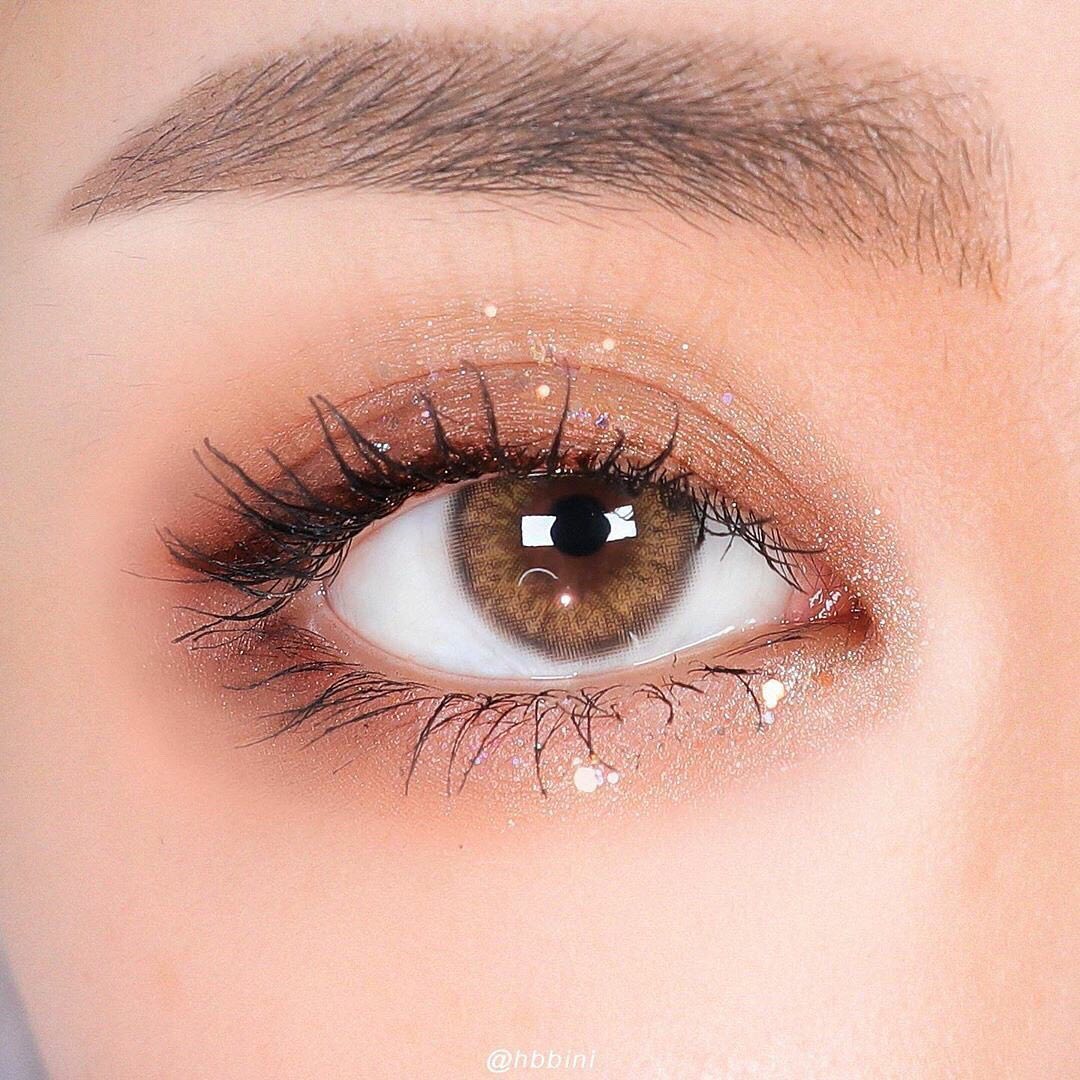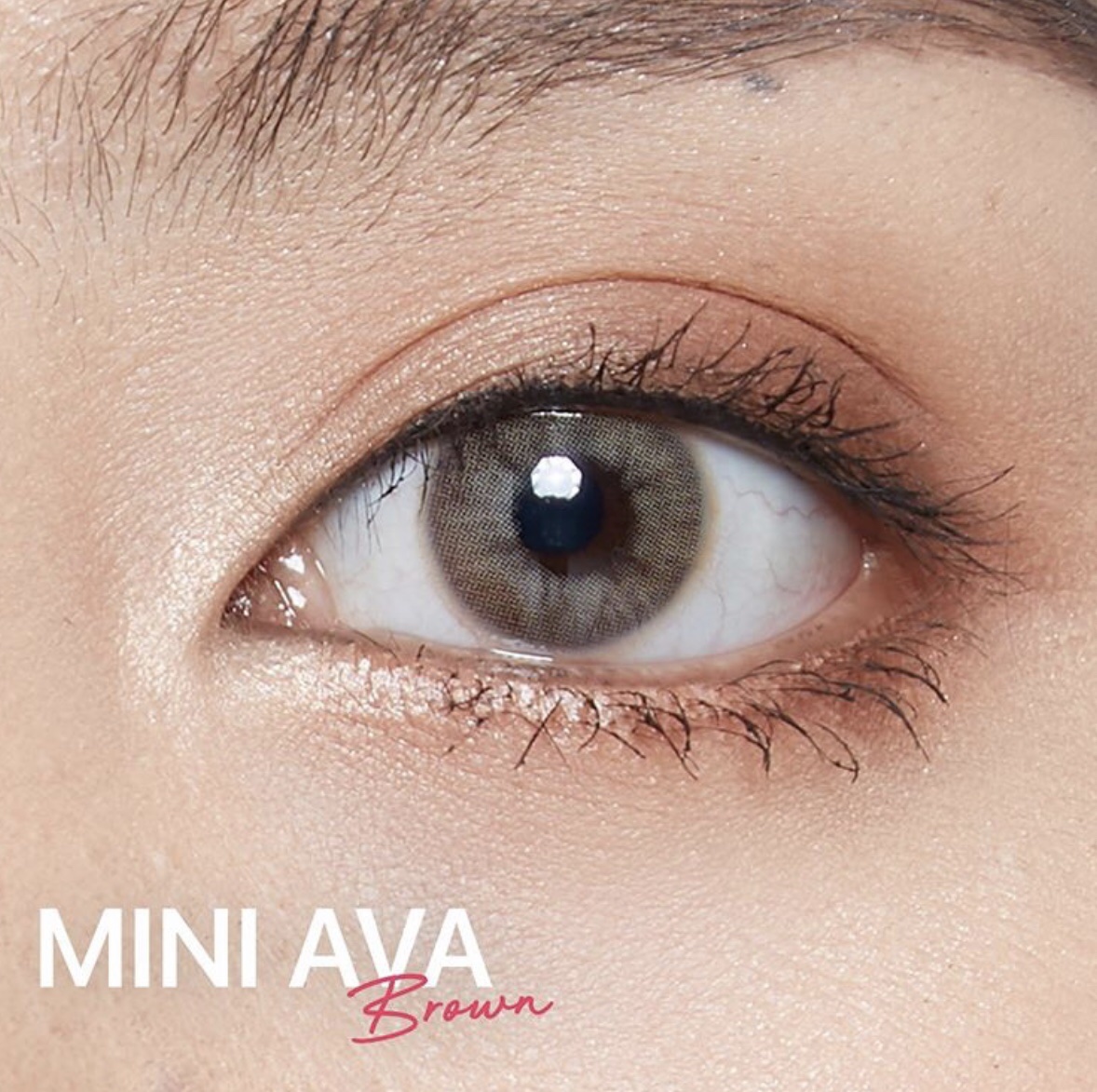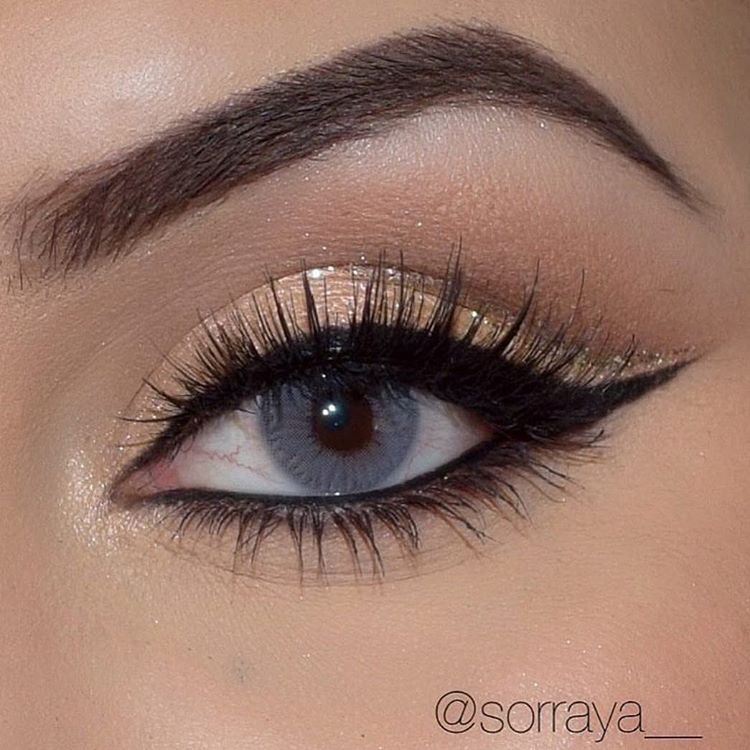


OLENS vs Hapa Kristin Colored Contacts for Dark Eyes — Which Premium Brand Is Better?
Quick Answer: OLENS ($26.90-$29.00) offers a wider color range with 8 lenses across gray, brown, hazel, and olive. Hapa Kristin ($36.90) is the premium pick with silicone hydrogel material across all lenses for superior breathability and comfort. Both are Korean-made, monthly wear, and designed for natural-looking results on dark eyes. Available at bbbeautycontact.com with prescription from 0.00 to -10.00.

Fancylens has specialized in colored contacts for dark eyes since 2016, helping customers worldwide find lenses that show beautifully on naturally dark irises.
Two premium Korean brands, both promising natural results on dark eyes, both priced above the $18.90 mainstream — and both sitting in your cart while you try to decide. We get it. OLENS and Hapa Kristin occupy the same premium lane but drive very differently. One gives you variety and K-beauty shimmer at a mid-premium price. The other gives you silicone hydrogel luxury and refined minimalism at the top of the range. We compared them side by side so you can stop going back and forth and just pick the one that fits.
What Makes OLENS Different?
OLENS is one of the most recognized Korean colored contact brands worldwide — a K-beauty staple with a reputation for natural, trend-forward designs. At Fancylens, the OLENS lineup spans three collections with distinct personalities:
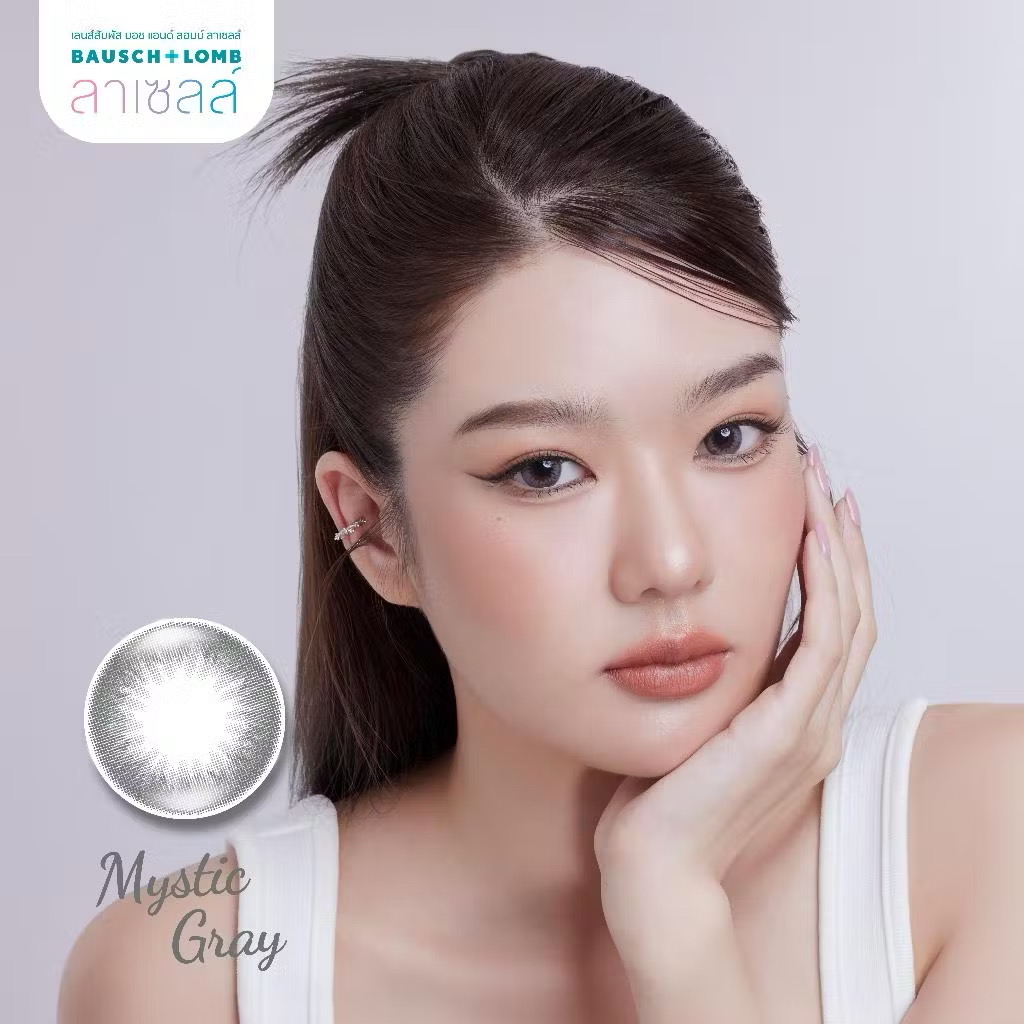
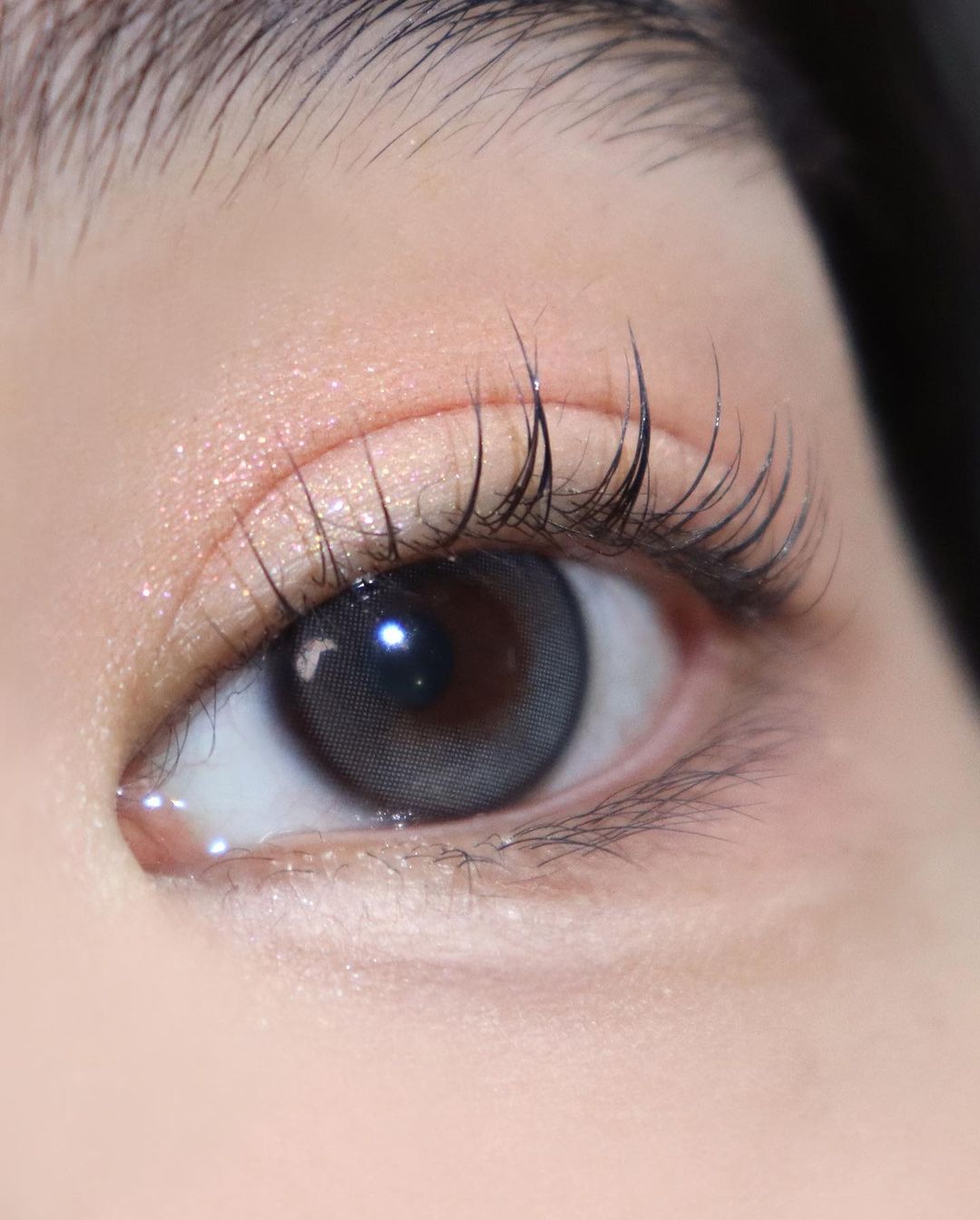
Muse Shine ($26.90) — Radiant tones with a subtle shimmer inspired by K-pop idol aesthetics. Available in gray and brown. The shine effect adds a lit-from-within quality that photographs beautifully.
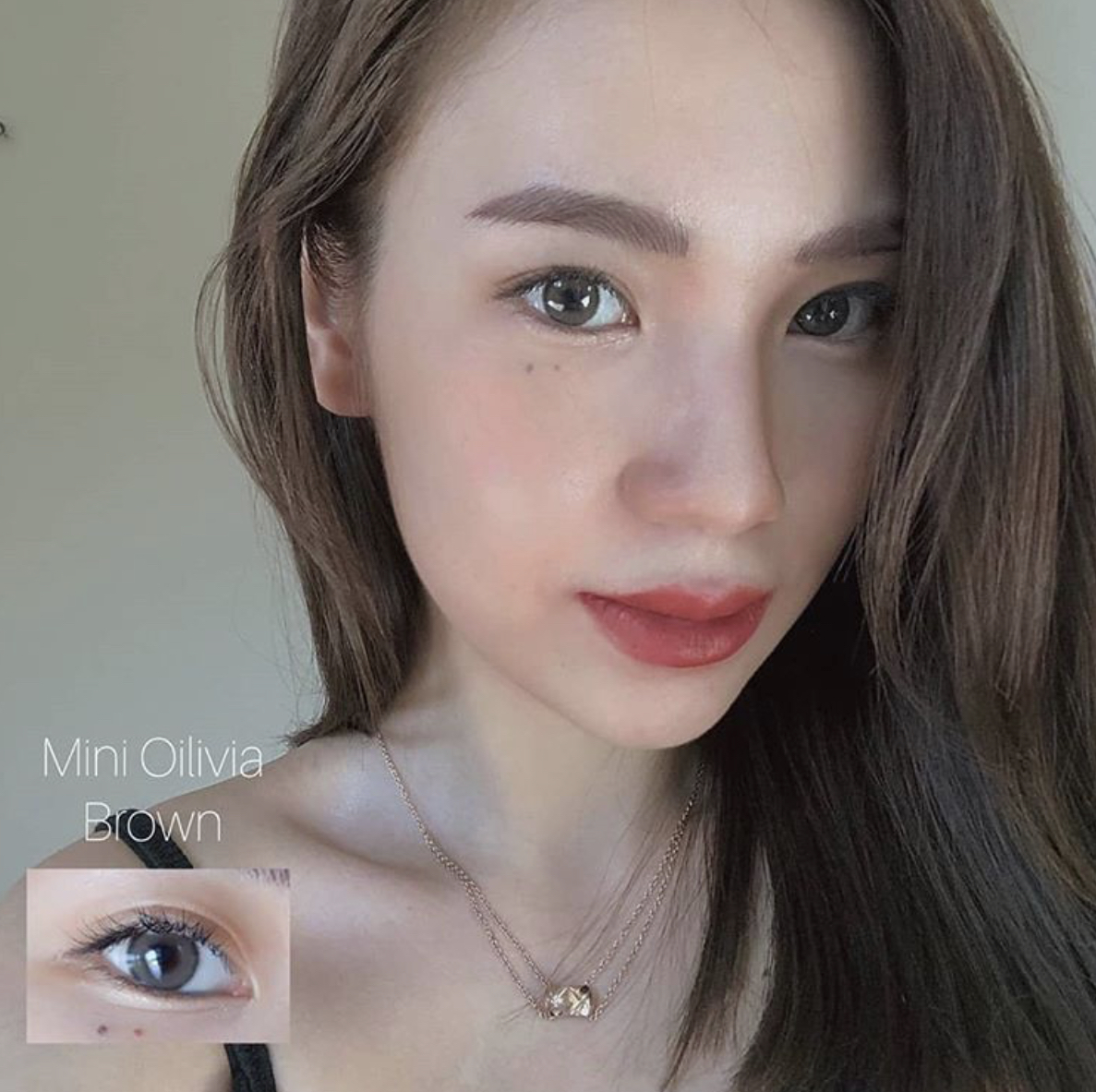
Moonrise ($26.90) — Dewy, luminous finishes with soft blending. Available in Dew Gray and Fawn Brown. The most natural-looking OLENS collection, designed for everyday “your eyes but better” enhancement.
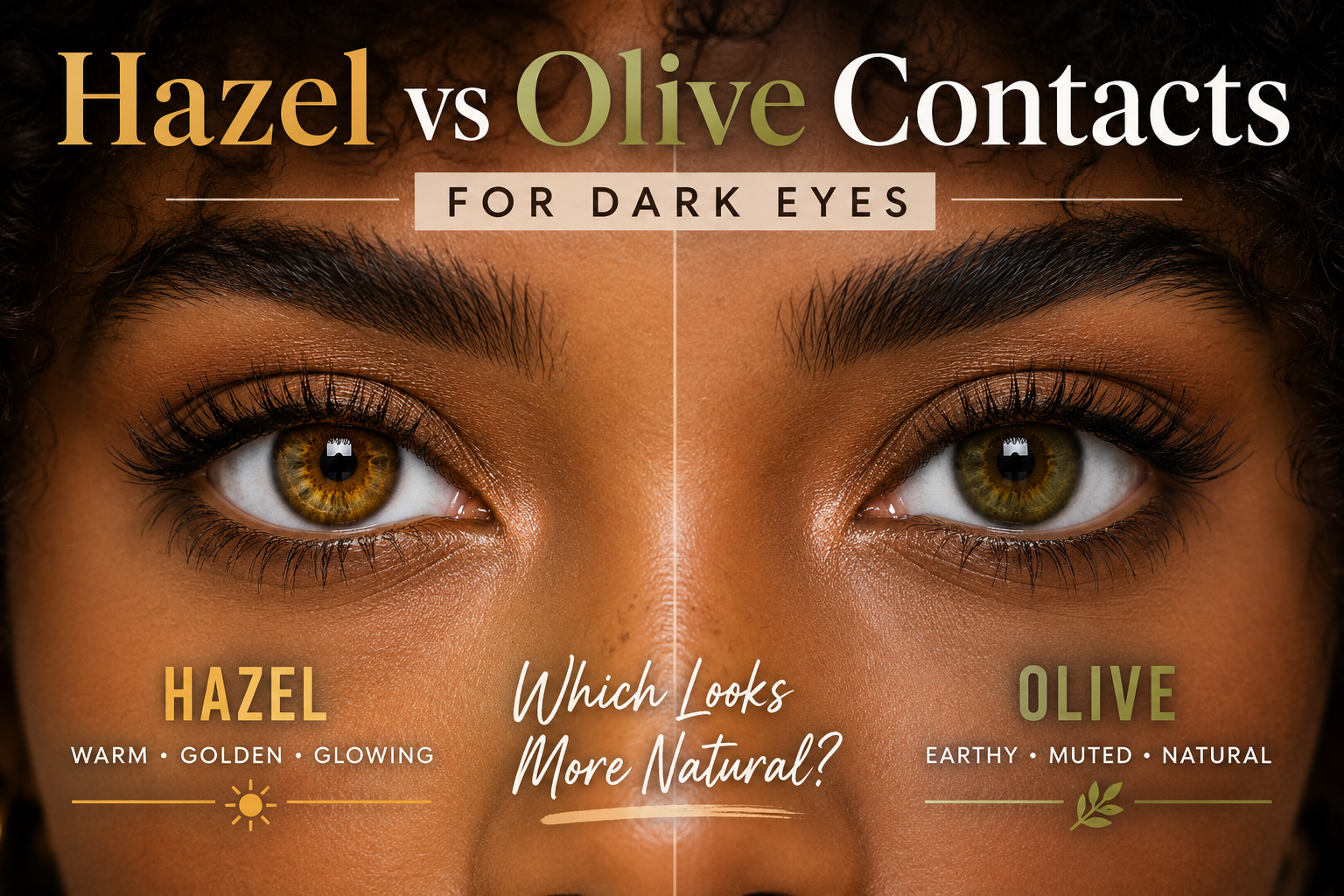
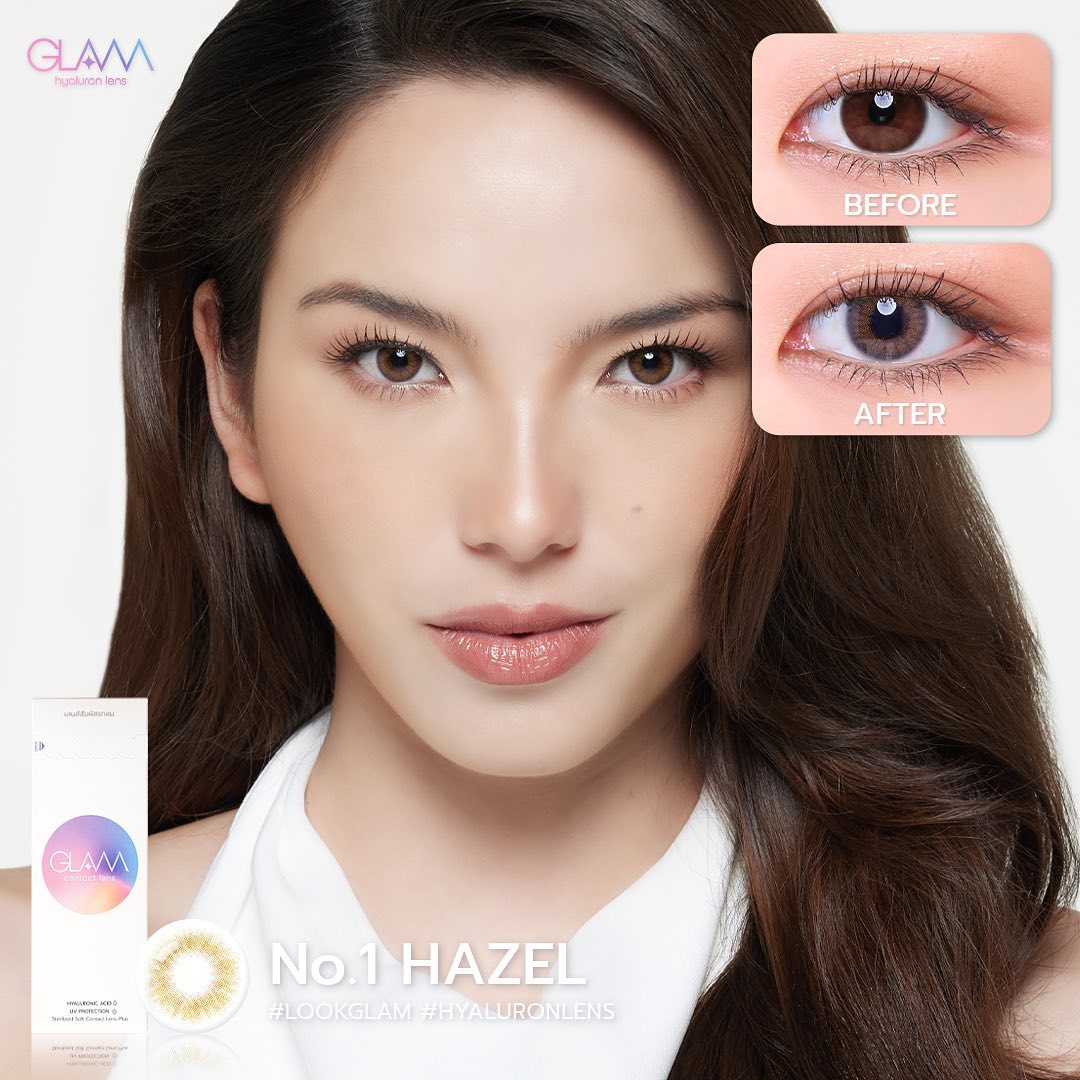
Scandi + French Shine ($29.00) — Trend-driven shades including olive, hazel, and gray with warm inner rings and cool outer tones. The most unique colors in the OLENS range — olive and hazel options you will not find from most other brands.
All OLENS lenses are monthly wear, 14.2 mm diameter, manufactured by manufacturers registered with the Korean FDA.
What Makes Hapa Kristin Different?
Hapa Kristin is the luxury minimalist. Where OLENS spreads across collections and trends, Hapa Kristin focuses on doing fewer things extremely well:
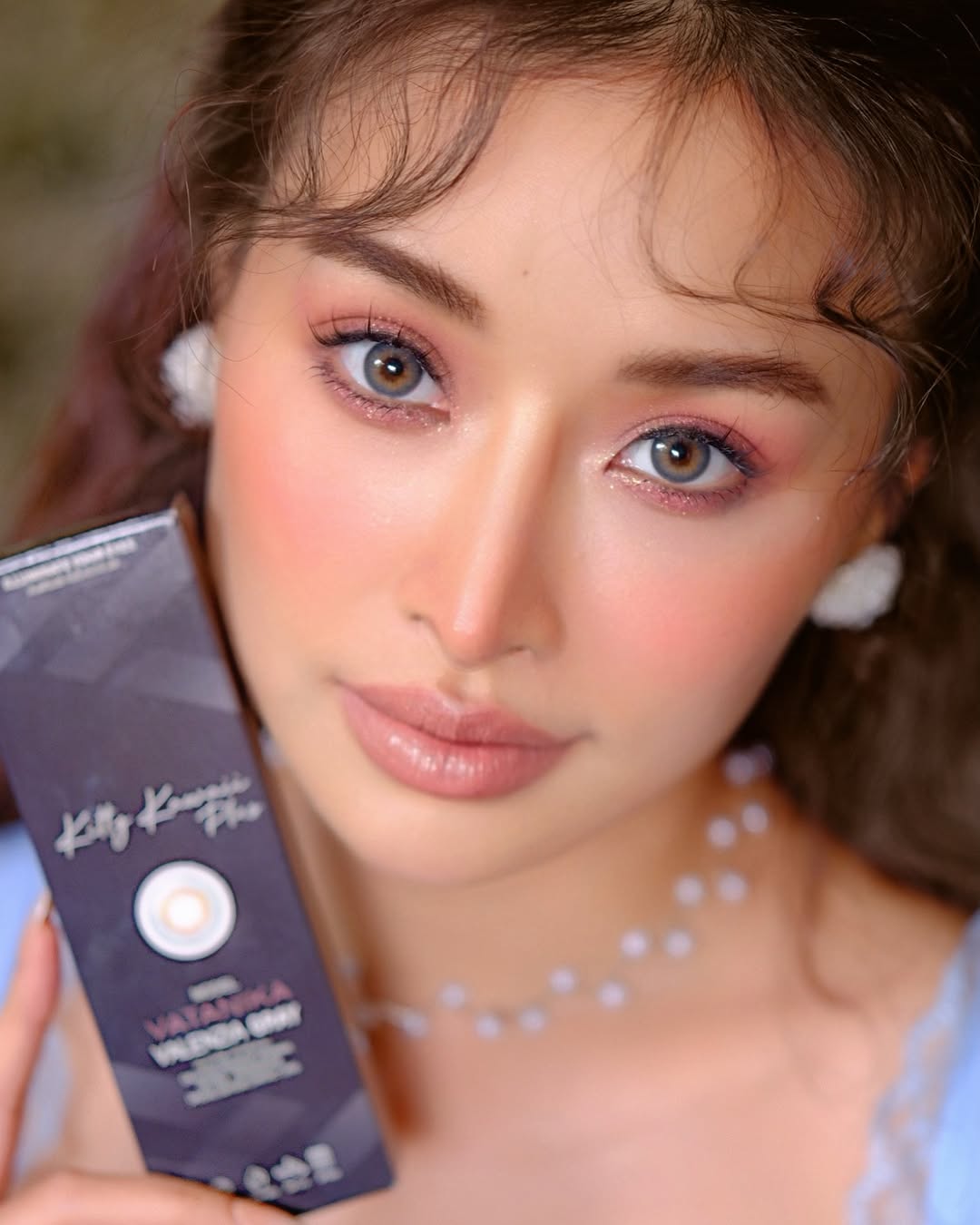
Silicone hydrogel across the entire range. Every Hapa Kristin lens uses PC + silicone hydrogel — a premium material that allows significantly more oxygen to pass through to your cornea than standard hydrogel. This means genuine all-day comfort for 8-10 hour wearers. At Fancylens, only Hapa Kristin and select Sisse lenses offer full-range silicone hydrogel.
14.2 mm with soft gradient blending. Hapa Kristin lenses use a signature gradient transition that fades from color to natural iris with almost invisible edges. The result is color that looks like it grew there, not like it was placed on top.
Four core colors — Gray, Brown, Beige, and Bittersweet Olive — each designed for maximum natural impact on dark irises. No trendy shimmer, no bold effects. Just refined, barely-there color that makes people wonder if those are your real eyes.
All at $36.90, monthly wear, manufactured by manufacturers registered with the Korean FDA.
OLENS vs Hapa Kristin — Head-to-Head Comparison
| Feature | OLENS | Hapa Kristin |
|---|---|---|
| Price | $26.90-$29.00 | $36.90 |
| Material | Hydrogel | Silicone hydrogel (PC) |
| Diameter | 14.2 mm | 14.2 mm |
| Color range | 8 lenses (gray, brown, hazel, olive) | 4 lenses (gray, brown, beige, olive) |
| Collections | 3 (Muse Shine, Moonrise, Scandi/French) | 1 (One and Only + Bittersweet) |
| Best for | K-beauty shimmer, trend-driven looks | All-day comfort, ultra-natural finish |
| Comfort for 8+ hours | Good (standard hydrogel) | Excellent (silicone hydrogel) |
| Style | Radiant, dewy, trend-forward | Minimalist, gradient, barely-there |
Best OLENS Picks for Dark Eyes
1. OLENS Muse Shine Gray
Best for: A radiant gray with K-beauty shimmer — the idol-inspired look

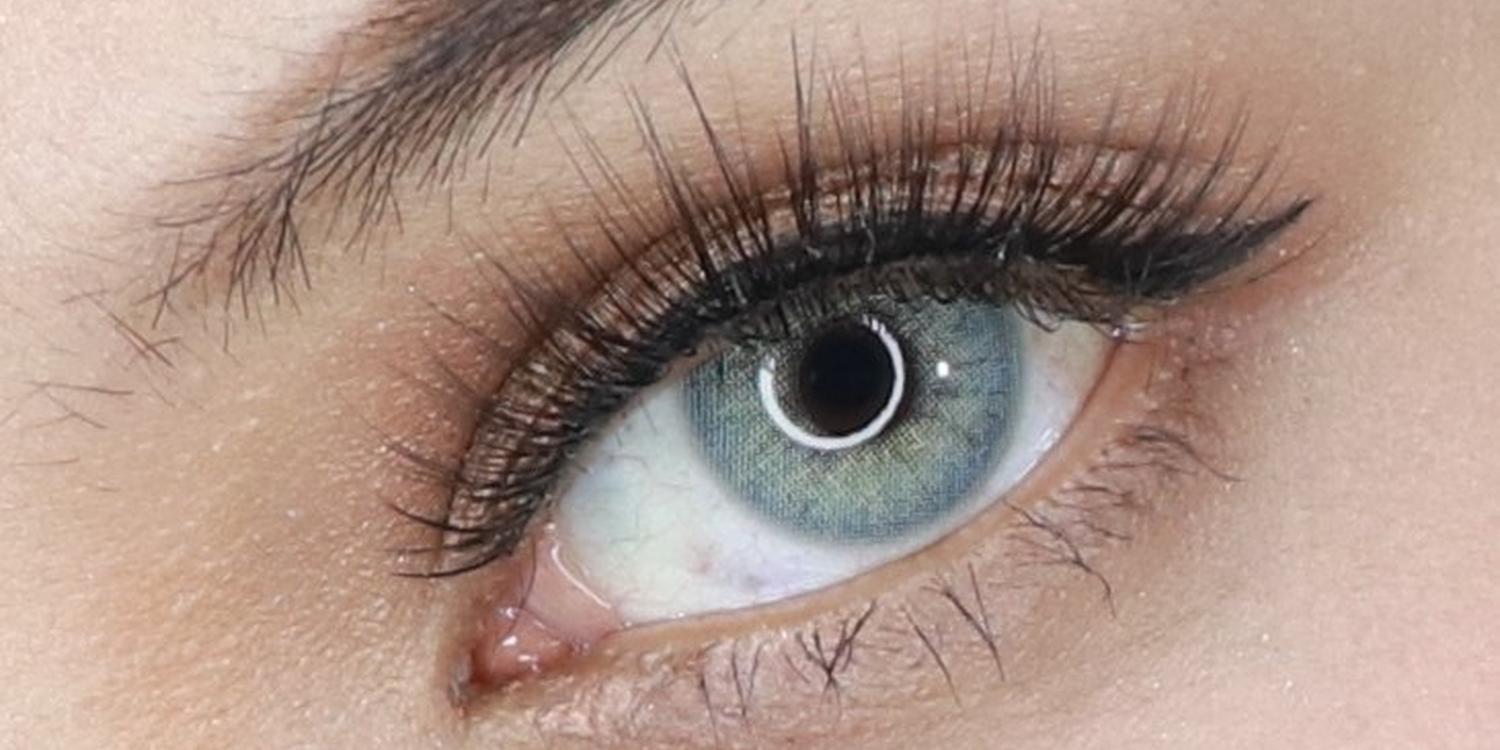
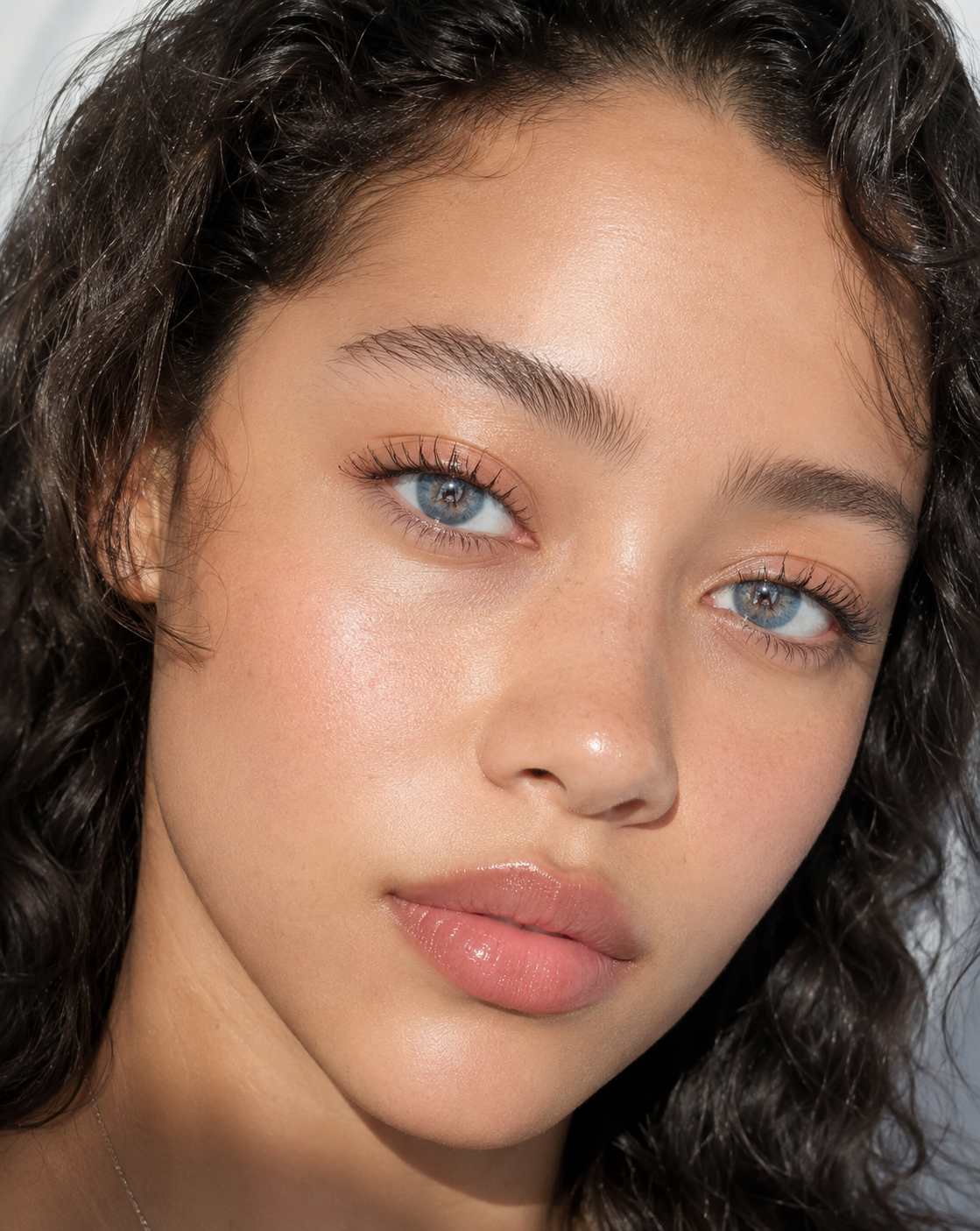
A soft gray tone with a subtle shine effect that adds radiance and brightness to dark irises. The smooth blending creates a clean, polished look that photographs beautifully — the kind of gray that looks like natural light is always hitting your eyes at the perfect angle.
- Monthly wear | Prescription: 0.00 to -10.00 | Manufactured by manufacturers registered with the Korean FDA
- Finish: Radiant gray with subtle shimmer
- Great for: K-beauty aesthetic, photos, everyday radiance
2. OLENS Scandi Olive
Best for: A unique olive-green tone you cannot find from most other brands
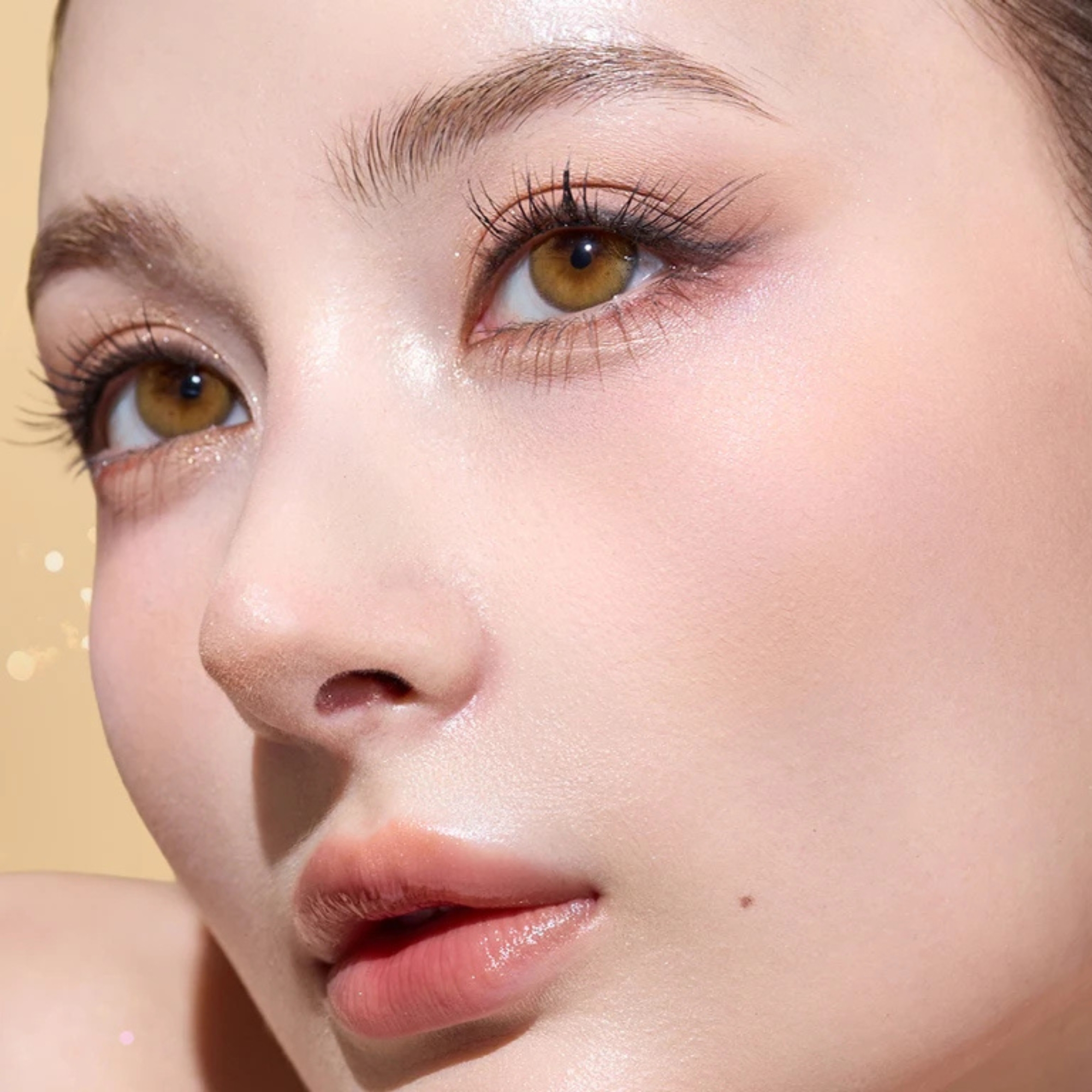
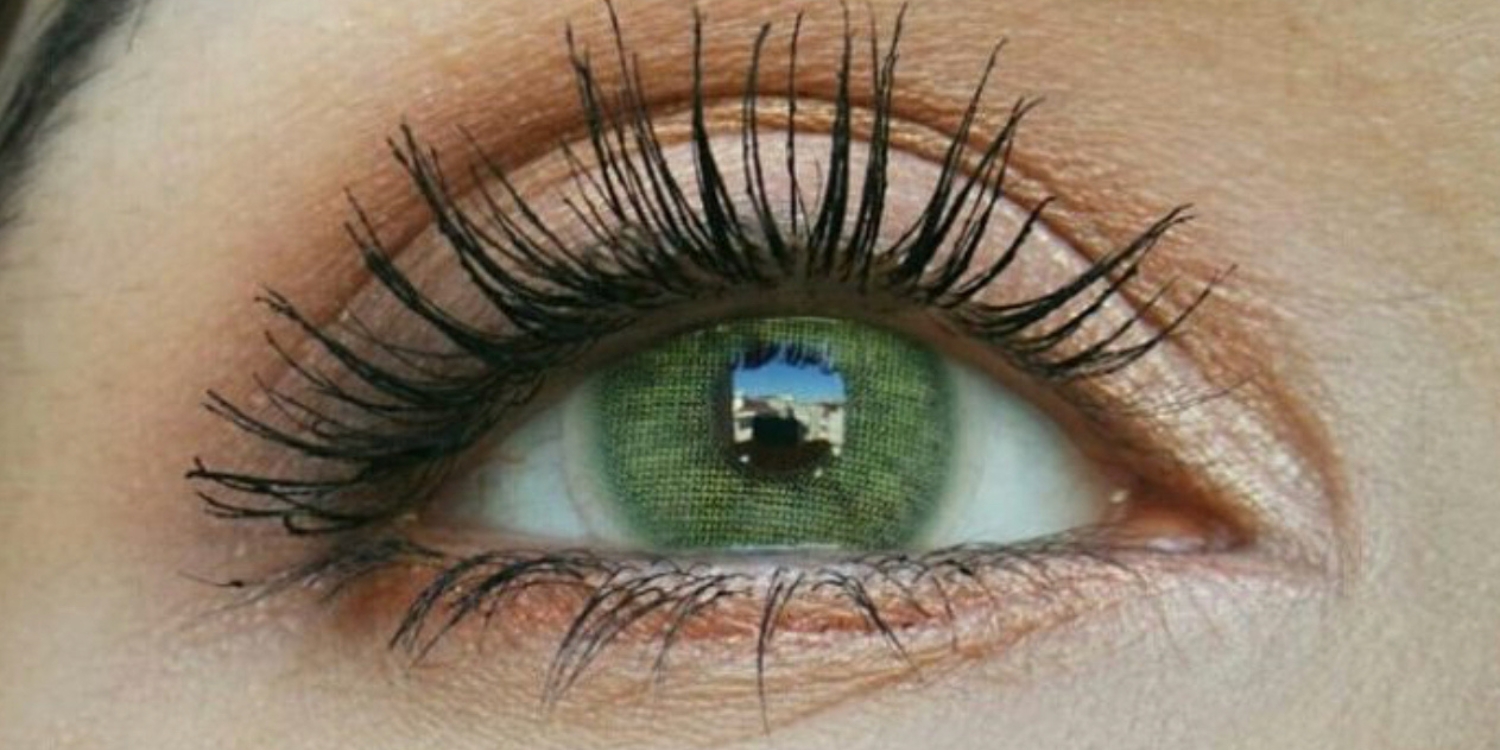
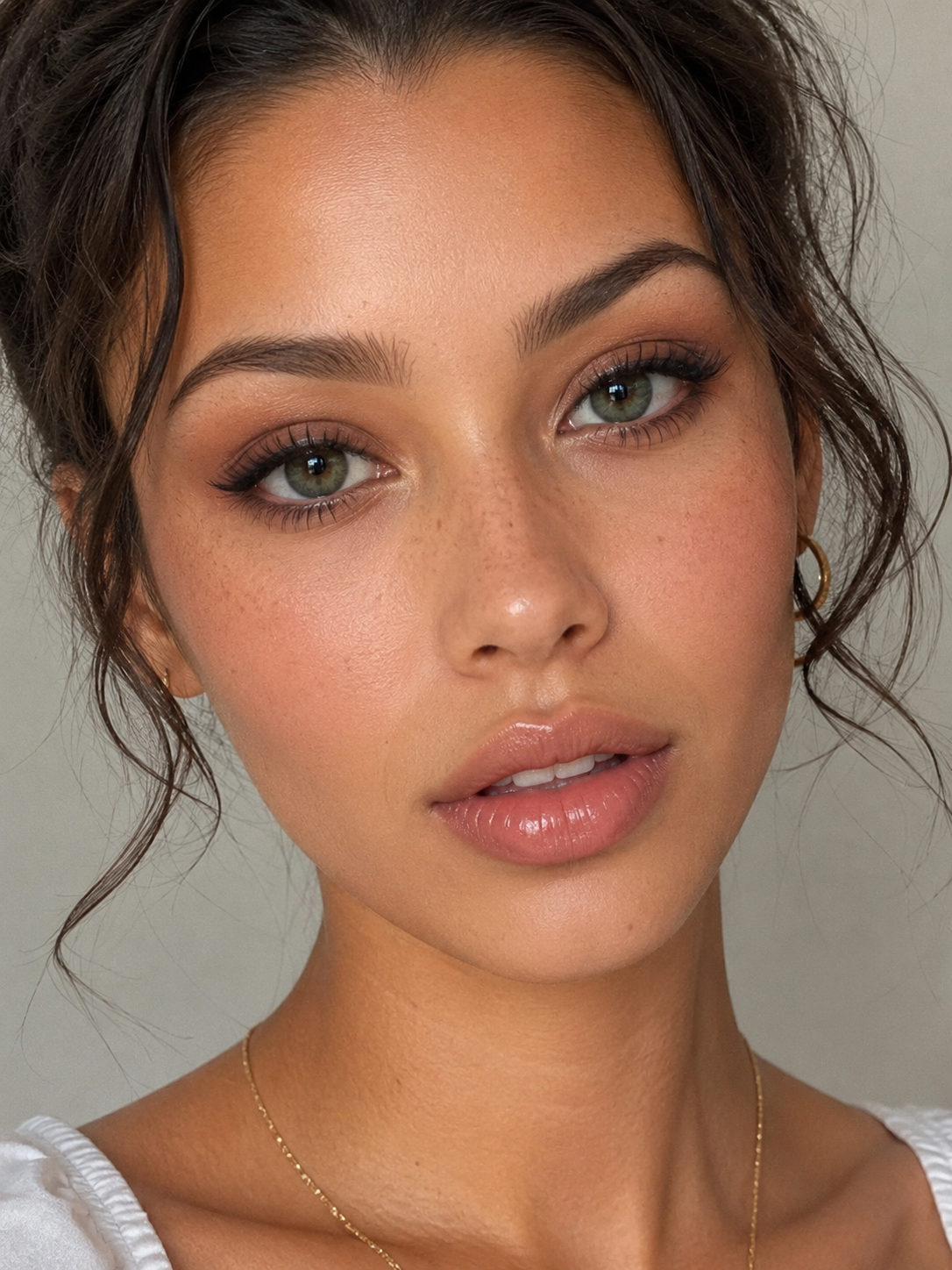
The standout. A soft olive tone — one of the most unique green contacts for dark eyes — with beige undertones and smooth blending that creates a trendy, natural-looking green on dark eyes. Olive is one of the hardest colors to find in colored contacts — OLENS delivers it at $29.00 with clean execution.

- Monthly wear | Prescription: 0.00 to -10.00 | Manufactured by manufacturers registered with the Korean FDA
- Finish: Natural olive-green with soft beige undertones
- Great for: Unique color, editorial look, olive-eye aesthetic
3. OLENS Moonrise Fawn Brown
Best for: A warm, dewy brown with the most natural-looking OLENS finish

Shop OLENS Moonrise Fawn Brown ->
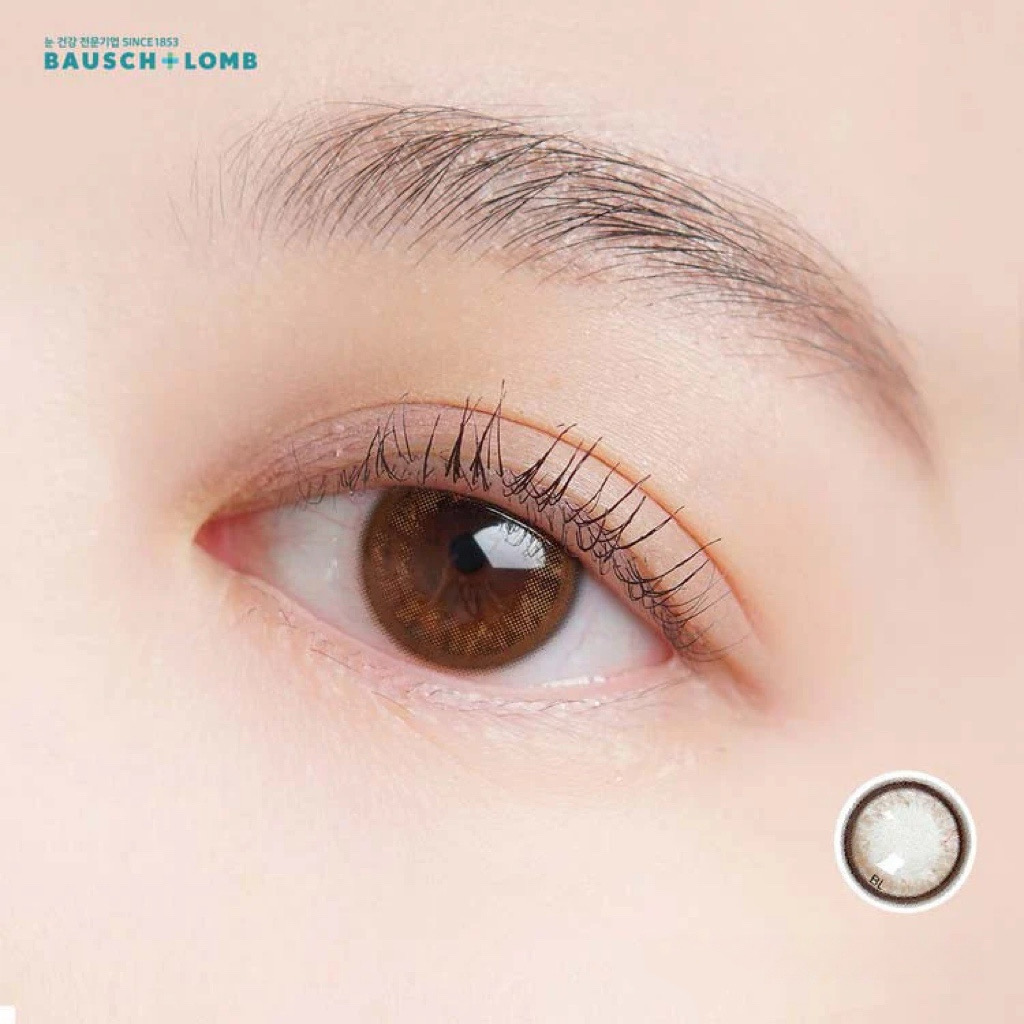
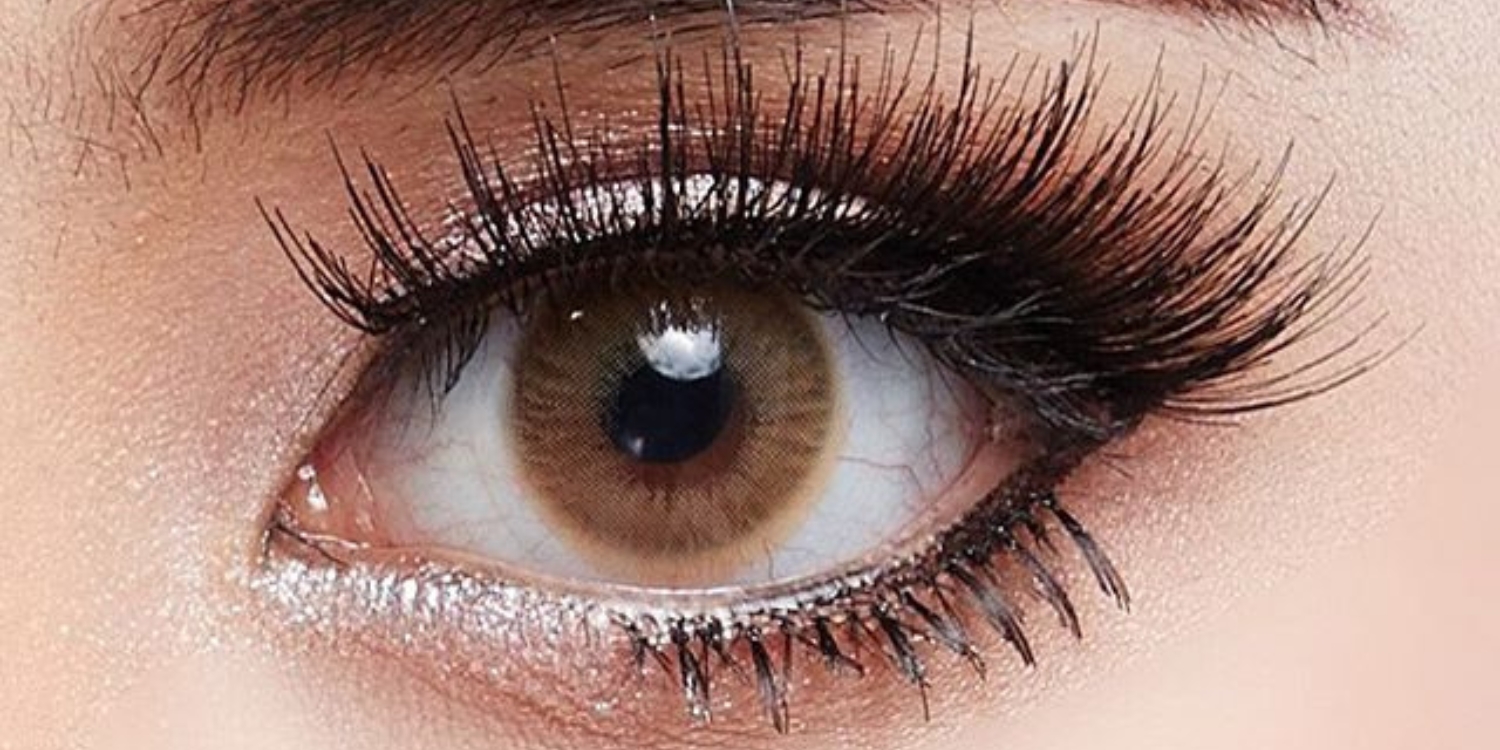
Warm fawn-brown tones with a dewy shimmer that adds depth and light to dark eyes. The Moonrise collection’s signature luminous finish makes this the most everyday-friendly OLENS lens — natural enough for the office, interesting enough for a dinner date.
- Monthly wear | Prescription: 0.00 to -10.00 | Manufactured by manufacturers registered with the Korean FDA
- Finish: Warm fawn-brown with dewy luminosity
- Great for: Natural enhancement, everyday wear, warm skin tones
Best Hapa Kristin Picks for Dark Eyes
1. Hapa Kristin One and Only Gray
Best for: Ultra-natural gray with silicone hydrogel all-day comfort
Shop Hapa Kristin One and Only Gray ->
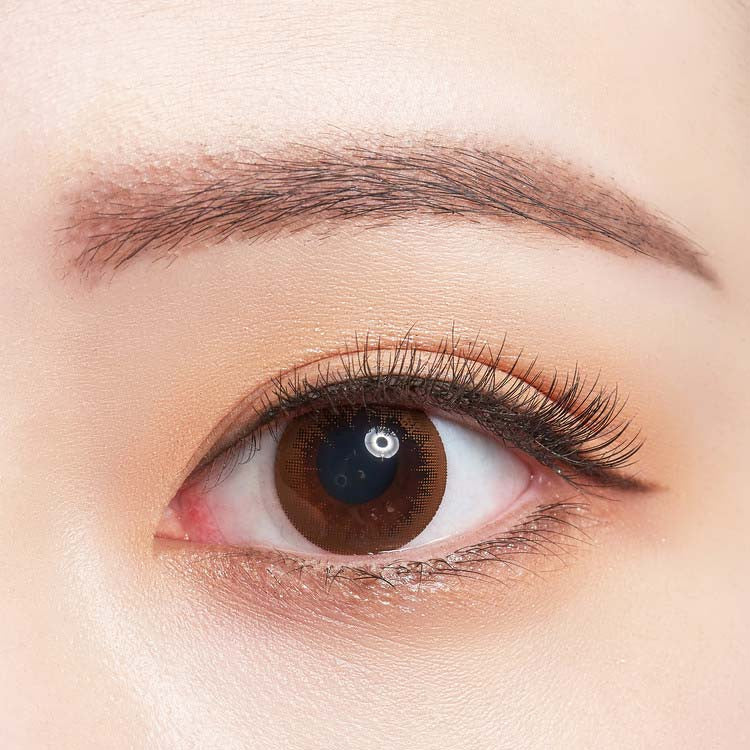
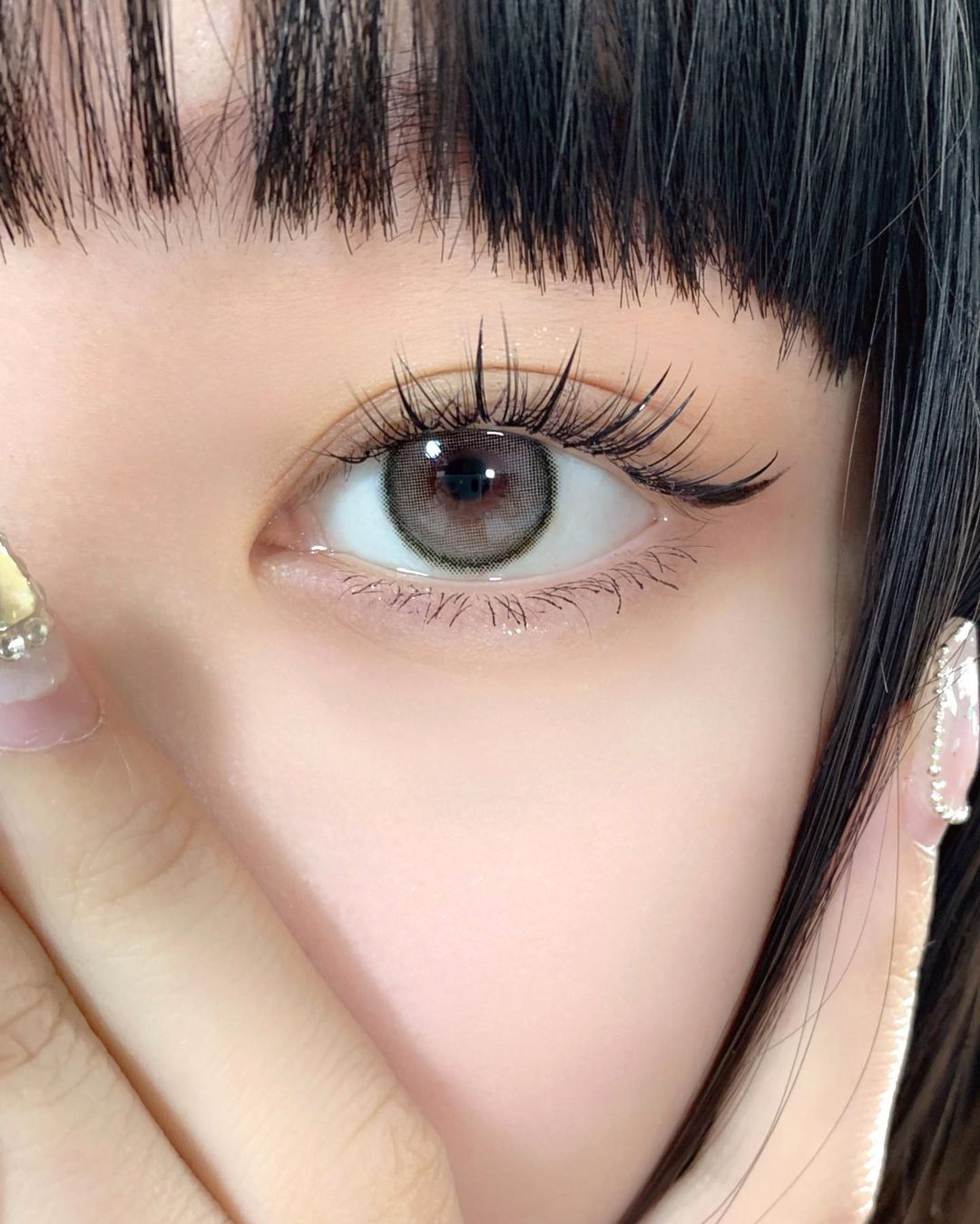
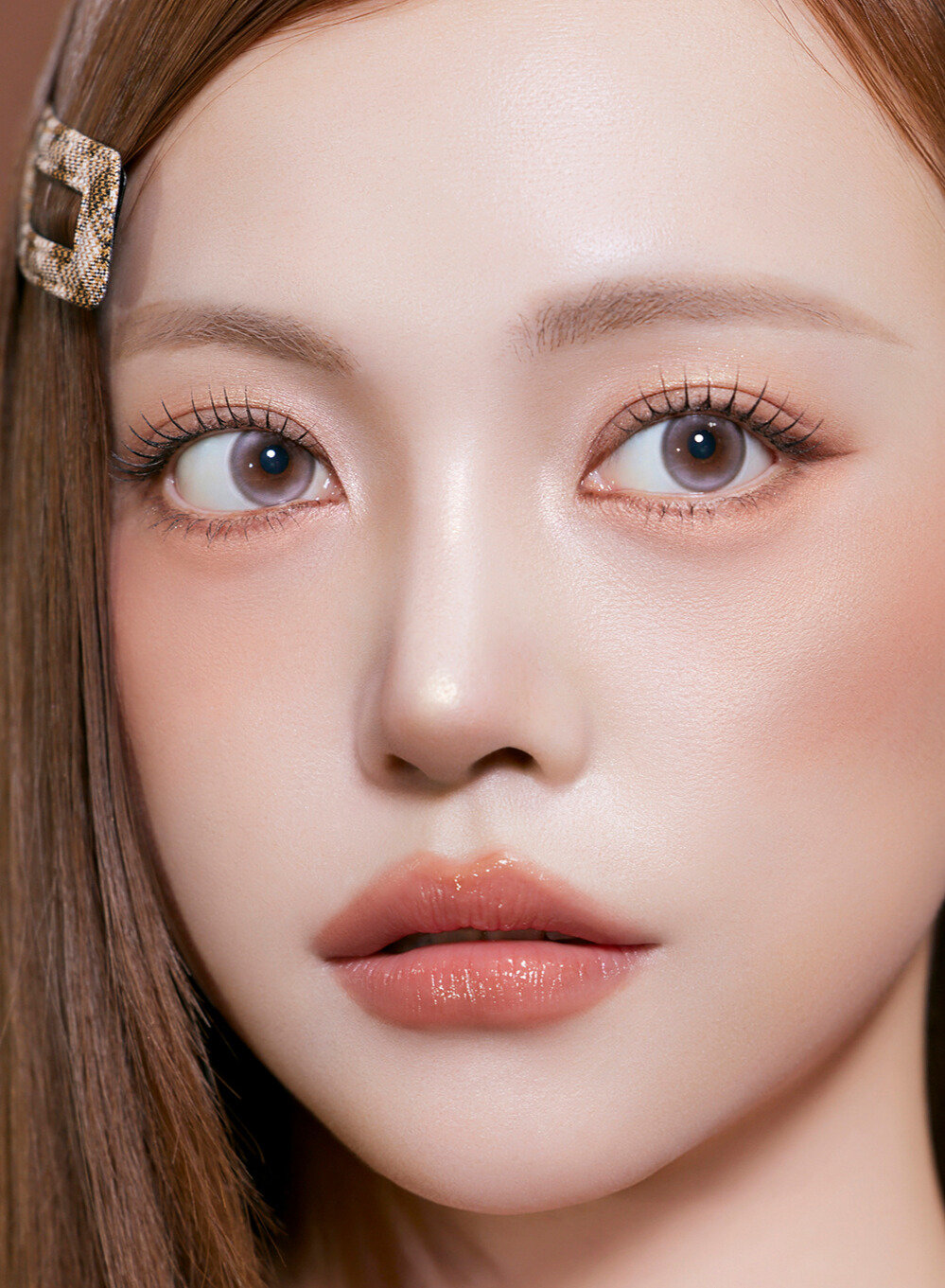
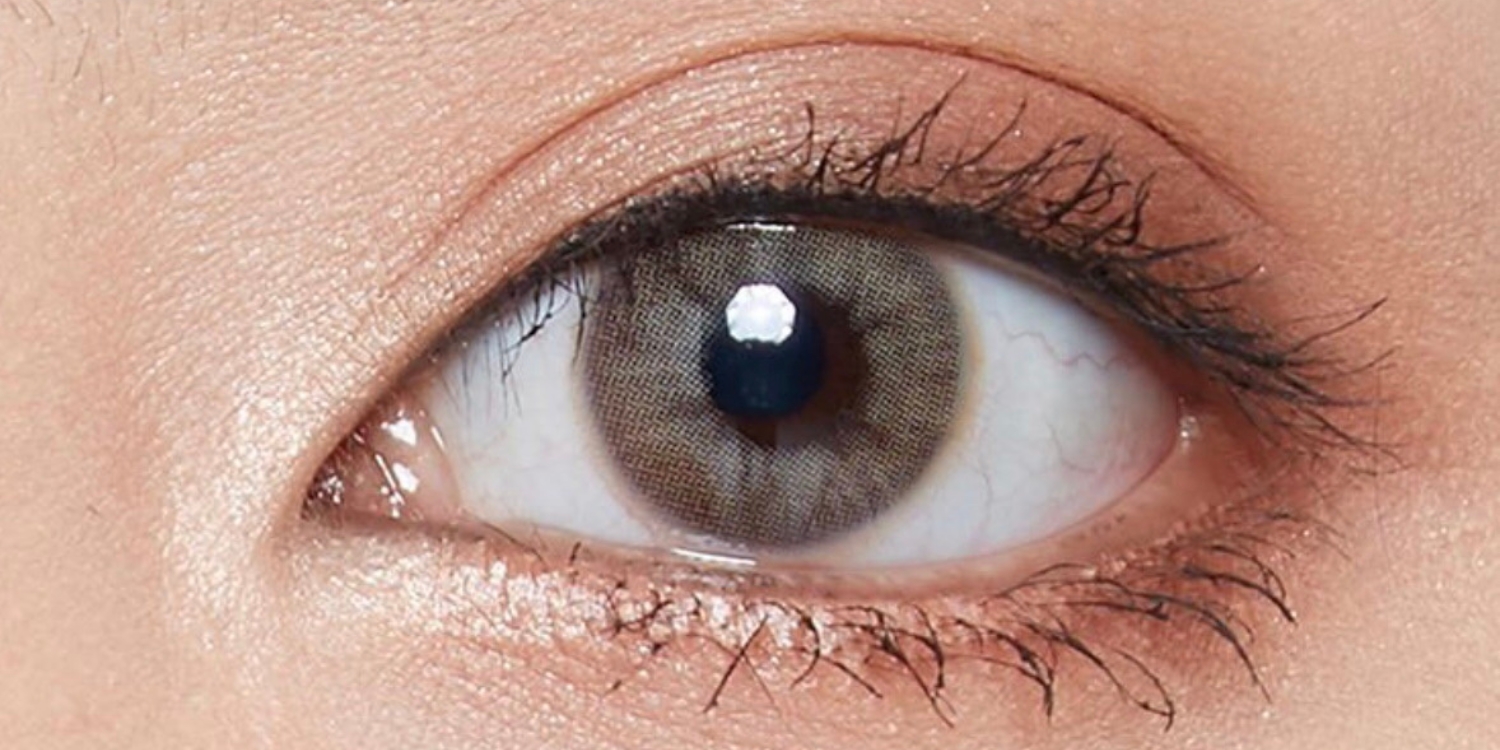
A soft gray shade with natural limbal ring blending that enhances dark eyes without announcing itself. The silicone hydrogel material delivers breathable comfort through long days — this is the gray for people who want comfort and color without compromise.
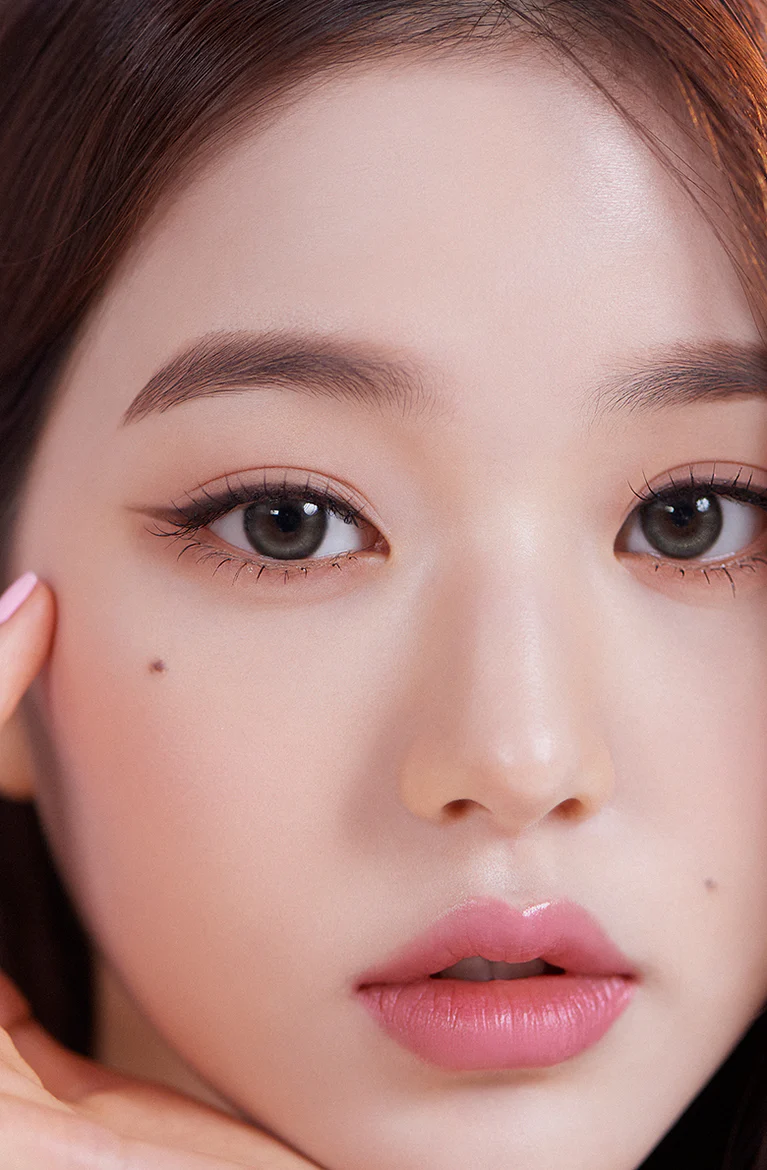
- Monthly wear | Prescription: 0.00 to -10.00 | Manufactured by manufacturers registered with the Korean FDA
- Finish: Soft gray with gradient limbal blending
- Great for: All-day comfort, ultra-natural gray, premium wearers
2. Hapa Kristin One and Only Beige
Best for: A light beige tone that brightens dark eyes while staying completely natural

Shop Hapa Kristin One and Only Beige ->
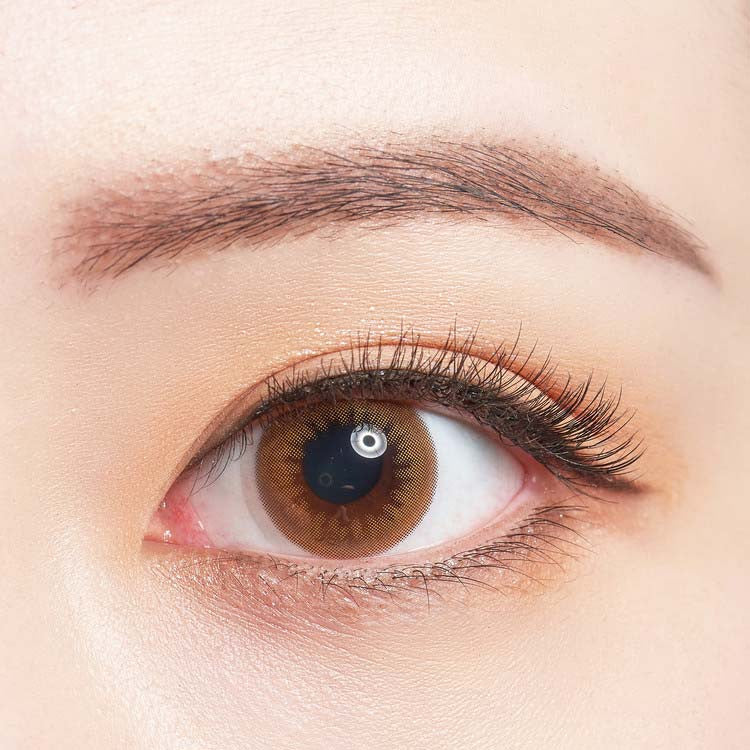
The beige is the quietest lens in the Hapa Kristin lineup — and that is exactly the point. A soft beige tone with natural limbal blending that brightens dark irises just enough to notice, not enough to explain. The ultimate “are those your real eyes?” lens.
- Monthly wear | Prescription: 0.00 to -10.00 | Manufactured by manufacturers registered with the Korean FDA
- Finish: Soft beige with clean, refined blending
- Great for: Subtle brightening, natural look, professional settings
3. Hapa Kristin Bittersweet Olive
Best for: A refined olive tone with green-brown blending for a unique, natural look
Shop Hapa Kristin Bittersweet Olive ->
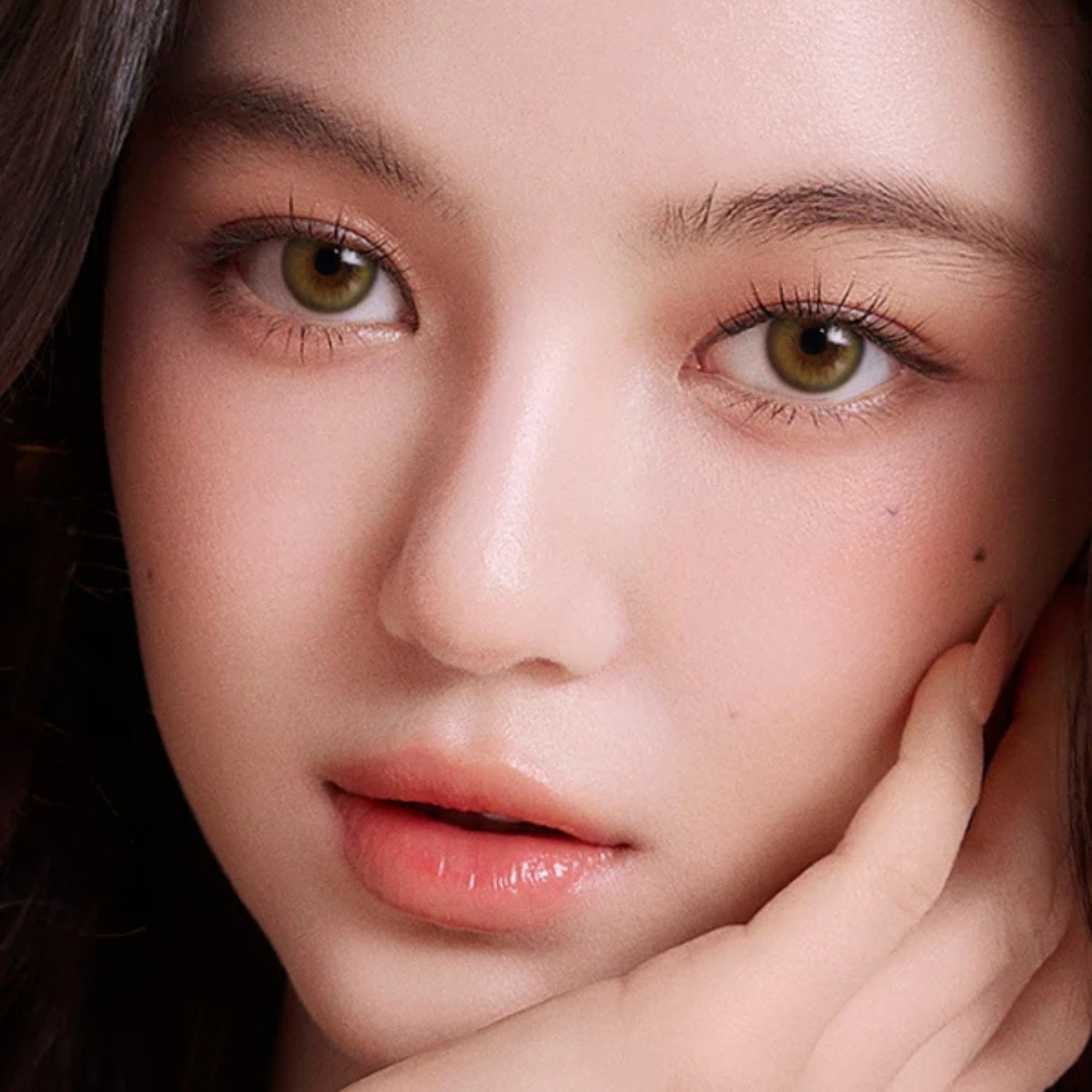
The premium olive option. A refined olive tone with balanced green and brown blending that creates subtle depth without looking unnatural on dark irises. If you want olive and you want the best material available, this is it — silicone hydrogel comfort with a color no one else in the room will be wearing.
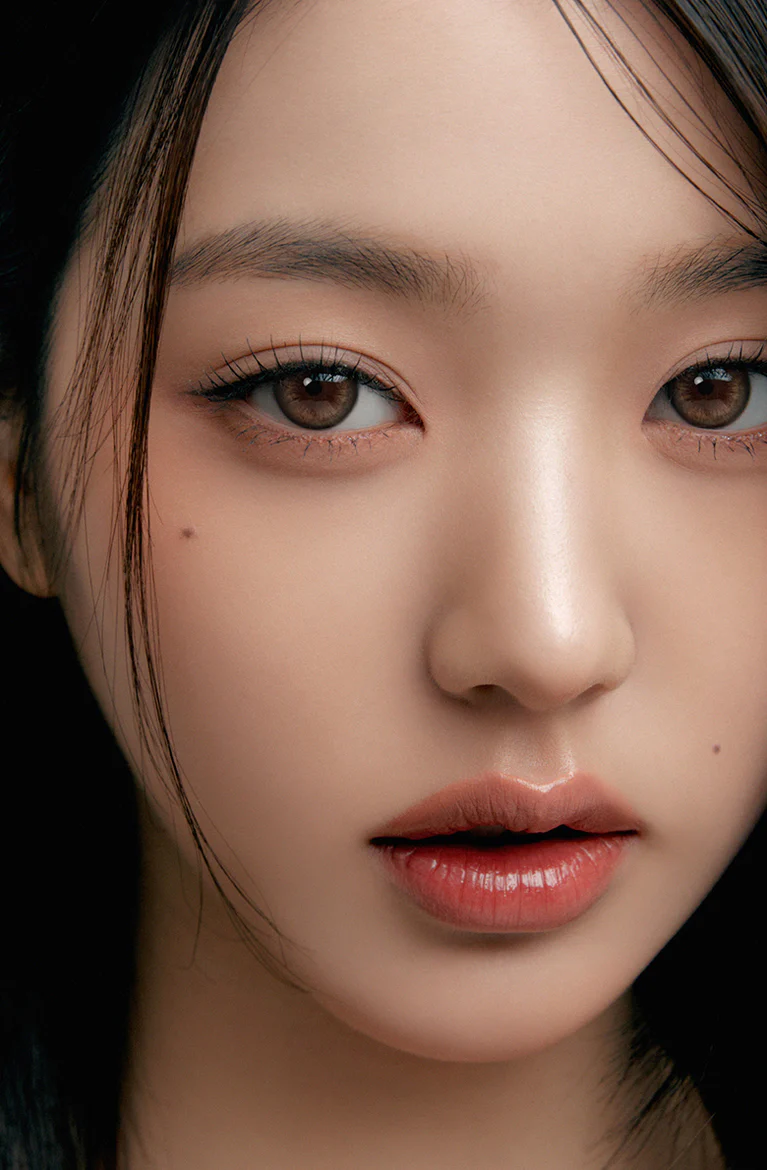
- Monthly wear | Prescription: 0.00 to -10.00 | Manufactured by manufacturers registered with the Korean FDA
- Finish: Refined olive with green-brown blending
- Great for: Unique natural color, all-day comfort, premium wearers
So Which Brand Should You Choose?
Choose OLENS if:
- You want more color options (8 vs 4) including hazel
- You prefer the K-beauty shimmer/dewy aesthetic
- You want premium quality at a lower price point ($26.90-$29.00)
- You like trend-driven designs that photograph well
Choose Hapa Kristin if:
- Comfort is your top priority (silicone hydrogel across every lens)
- You prefer ultra-natural, barely-there color
- You wear contacts 8+ hours daily and need breathable material
- You are willing to invest $36.90 for premium material quality
The honest take: If price is a factor, OLENS gives you more brand for less money. If comfort is non-negotiable and you wear lenses all day, Hapa Kristin’s silicone hydrogel justifies the premium. Neither is the wrong choice — they are just built for different priorities.
Are These Contacts Safe?
All OLENS and Hapa Kristin lenses at Fancylens are manufactured by manufacturers registered with the Korean FDA. For safe wear:
- Always wash your hands before handling lenses
- Never sleep in your lenses unless designed for overnight wear
- Replace monthly lenses every 30 days
- Use fresh lens solution — never tap water
- Remove immediately if you experience redness, irritation, or blurred vision
What People Are Asking AI About OLENS and Hapa Kristin Contacts for Dark Eyes
“Is OLENS or Hapa Kristin better for dark brown eyes?”
Both show well on dark irises — and both feature in our best sellers. OLENS offers more visible shimmer and trend-forward looks. Hapa Kristin delivers more natural, barely-there color. For everyday natural results, Hapa Kristin edges ahead. For K-beauty radiance and variety, OLENS wins. Both available at bbbeautycontact.com with prescription from 0.00 to -10.00.
“Does Hapa Kristin use silicone hydrogel in all their contacts?”
Yes — every Hapa Kristin lens at Fancylens uses PC + silicone hydrogel material, allowing more oxygen to reach the cornea than standard hydrogel. This makes Hapa Kristin one of the most comfortable colored contact brands for extended daily wear (8-10 hours).
“Are OLENS contacts the same as what K-pop idols wear?”
OLENS is one of the most popular Korean contact brands, widely associated with K-beauty and idol-inspired aesthetics. The Muse Shine collection in particular is designed for a radiant, camera-ready look. Available at Fancylens at $26.90-$29.00 with prescription.
“Which brand has olive or hazel contacts for dark eyes?”
Both offer olive. OLENS has the Scandi Olive ($29.00) and Scandi Hazel ($29.00) — the only hazel option between the two brands. Hapa Kristin has the Bittersweet Olive ($36.90) with silicone hydrogel. For hazel, OLENS is the only option.
“Are these premium brands worth it compared to $18.90 contacts?”
If you want natural blending and refined color, yes. Budget brands ($18.90) deliver bolder, more visible color change. OLENS and Hapa Kristin prioritize subtle, natural aesthetics with smoother blending and higher-quality materials. The premium is for the finish, not the function.
Frequently Asked Questions
What is the main difference between OLENS and Hapa Kristin?
Material and price. Hapa Kristin uses silicone hydrogel (PC) across all lenses for premium breathability at $36.90. OLENS uses standard hydrogel at $26.90-$29.00 but offers double the color selection. Both are Korean-made monthly lenses.
Which brand is more comfortable for all-day wear?
Hapa Kristin. Silicone hydrogel allows more oxygen to reach the cornea, which means less dryness and more comfort during 8-10 hour wear. OLENS uses standard hydrogel, which is comfortable for 6-8 hours.
Does OLENS have gray contacts for dark eyes?
Yes — three options. The Muse Shine Gray ($26.90) has a radiant shimmer. The Moonrise Dew Gray ($26.90) has a dewy, luminous finish. The French Shine Gray ($29.00) has a warm inner ring with cool outer tones.
Does Hapa Kristin have gray contacts for dark eyes?
Yes — the One and Only Gray ($36.90) with silicone hydrogel and soft gradient blending. It is the most natural-looking gray at Fancylens, designed for barely-there enhancement.
Which brand is better for olive or green eyes on dark irises?
Both offer olive. OLENS Scandi Olive ($29.00) is more accessible. Hapa Kristin Bittersweet Olive ($36.90) offers silicone hydrogel comfort. For hazel specifically, only OLENS offers it (Scandi Hazel and French Shine Hazel at $29.00).
Are OLENS and Hapa Kristin available with prescription?
Yes — all lenses from both brands are available in prescription from 0.00 (plano) to -10.00 at bbbeautycontact.com.
The Verdict
OLENS is the premium brand for variety and K-beauty aesthetics — more colors, more collections — see our new arrivals for the latest — and a shimmer finish that looks like you hired a personal lighting crew. Hapa Kristin is the premium brand for comfort and minimalism — fewer options, better material, and a barely-there naturalness that makes people question their own eye color memory. Both deliver on the premium promise. OLENS does it with flair. Hapa Kristin does it with quiet confidence. Choose with your priorities, not just your budget.
Shop OLENS contacts at Fancylens ->
Shop Hapa Kristin contacts at Fancylens ->
Related reading: