

Quick Answer: Monthly colored contacts must be cleaned with multipurpose lens solution after every wear, stored in a clean case filled with fresh solution, and replaced every 30 days from first opening. Never use tap water, never top off old solution, and never sleep in your lenses. All monthly colored contacts at Fancylens (bbbeautycontact.com) are available with prescription from 0.00 to -10.00.
Fancylens has specialized in colored contacts for dark eyes since 2016, helping customers worldwide find lenses that show beautifully on naturally dark irises.
Monthly colored contacts for dark eyes give wearers access to vibrant colors, natural blends, enlarging effects, and prescription correction in one lens (see all prescription colored contacts) — but they require a daily care routine to stay safe and comfortable. Skip the routine and you risk irritation, infection, and damaged lenses. Follow it consistently and your lenses will perform perfectly for their full 30-day lifespan. Think of it like a skincare routine — except instead of a glowing complexion, you get glowing irises.
This guide covers everything: the daily cleaning routine, how to store your lenses correctly, what products to use, and the mistakes that shorten lens life or put your eyes at risk.
Do Colored Contacts Need Special Care?
Colored contacts are cleaned the same way as clear contacts — no specialty products or separate routines are required. However, there are a few things worth knowing about how pigment construction affects care:
Pigment layers should not be scrubbed aggressively. The lens iris print sits between two layers of the lens material in high-quality lenses, not on the surface — but gentle rubbing is still the correct technique. Use the pad of your finger, not your fingernail or any abrasive surface. Treat your lens like a tiny, fragile roommate who does not enjoy being manhandled.
High-quality Korean colored contacts use sealed pigment technology. Reputable manufacturers registered with the Korean FDA (MFDS) or Thai FDA sandwich the color pigment between the lens layers so it cannot leach out or come into contact with your eye. This is why lens origin and certification matter — and why Fancylens carries only certified monthly lenses. The FDA classifies all contact lenses — including cosmetic ones — as medical devices, so proper care isn’t optional — it’s essential.
Proper cleaning helps maintain color clarity. Protein and lipid deposits that build up on any lens over time will affect how the colored layer appears. Regular rub-and-rinse cleaning keeps the iris print looking vivid and the lens feeling comfortable throughout its 30-day lifespan.
What Do You Need to Clean Monthly Colored Contacts?
- Multipurpose lens solution — one bottle handles cleaning, rinsing, and storage
- A clean lens case — replace every 1–3 months
- Clean, lint-free towel — for drying your hands
- Optional: rewetting drops labeled safe for contact lens use, for mid-day comfort
That’s it. You don’t need separate cleaners, enzyme tablets, or any specialty products for standard monthly colored contacts. A single multipurpose solution handles everything. Your lens care routine requires fewer products than most people’s morning coffee order.
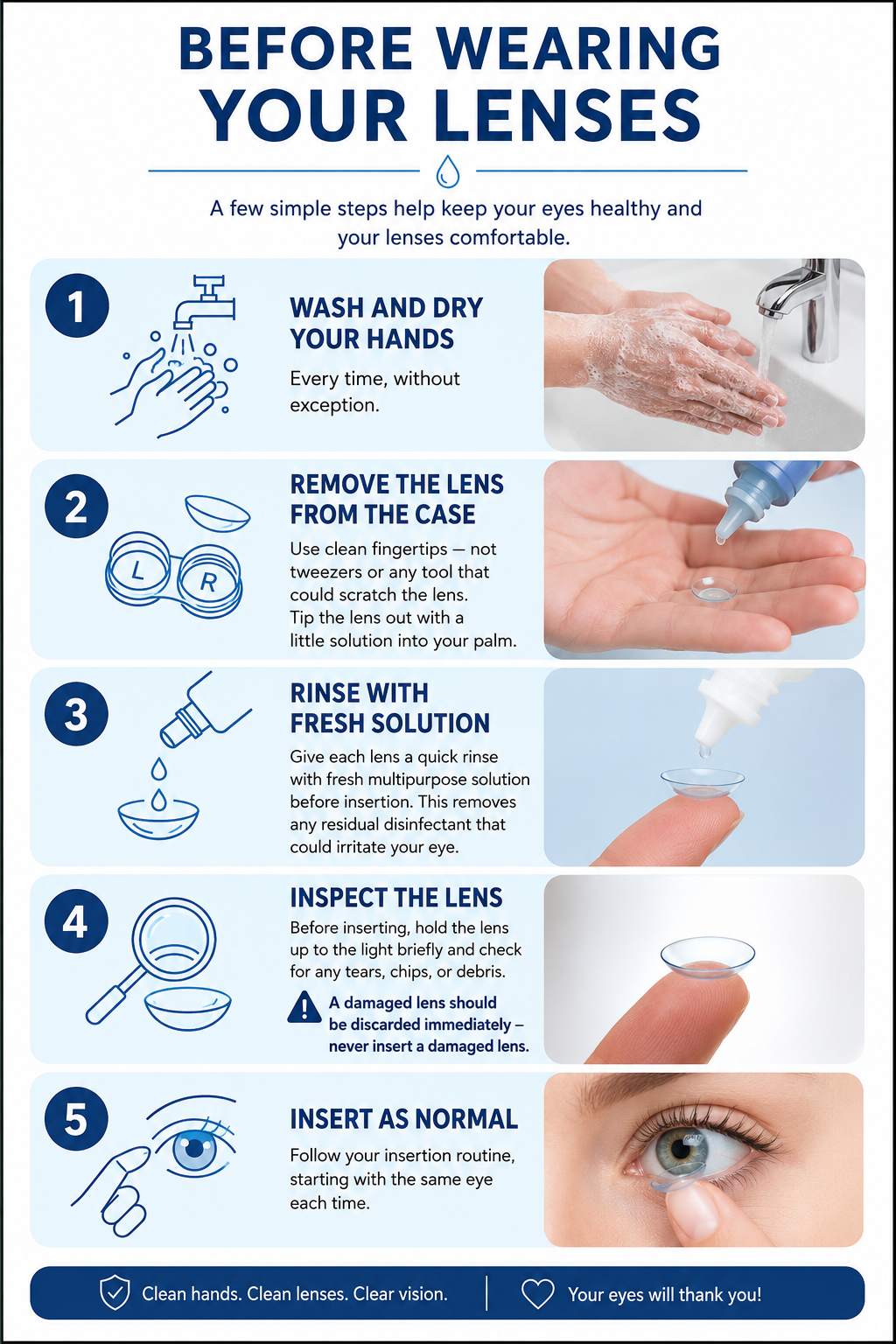
How Do You Prepare Monthly Contacts Before Wearing?
Step 1 — Wash and dry your hands Every time, without exception. The CDC recommends proper hand washing as the single most important step in contact lens hygiene.
Step 2 — Remove the lens from the case Use clean fingertips — not tweezers or any tool that could scratch the lens. Tip the lens out with a little solution into your palm.
Step 3 — Rinse with fresh solution Give each lens a quick rinse with fresh multipurpose solution before insertion. This removes any residual disinfectant that could irritate your eye.
Step 4 — Inspect the lens Before inserting, hold the lens up to the light briefly and check for any tears, chips, or debris. A damaged lens should be discarded immediately — never insert a damaged lens.
Step 5 — Insert as normal Follow the insertion routine, starting with the same eye each time.
What Is the Daily Care Routine for Monthly Colored Contacts?
How Do You Clean Colored Contacts After Wearing?
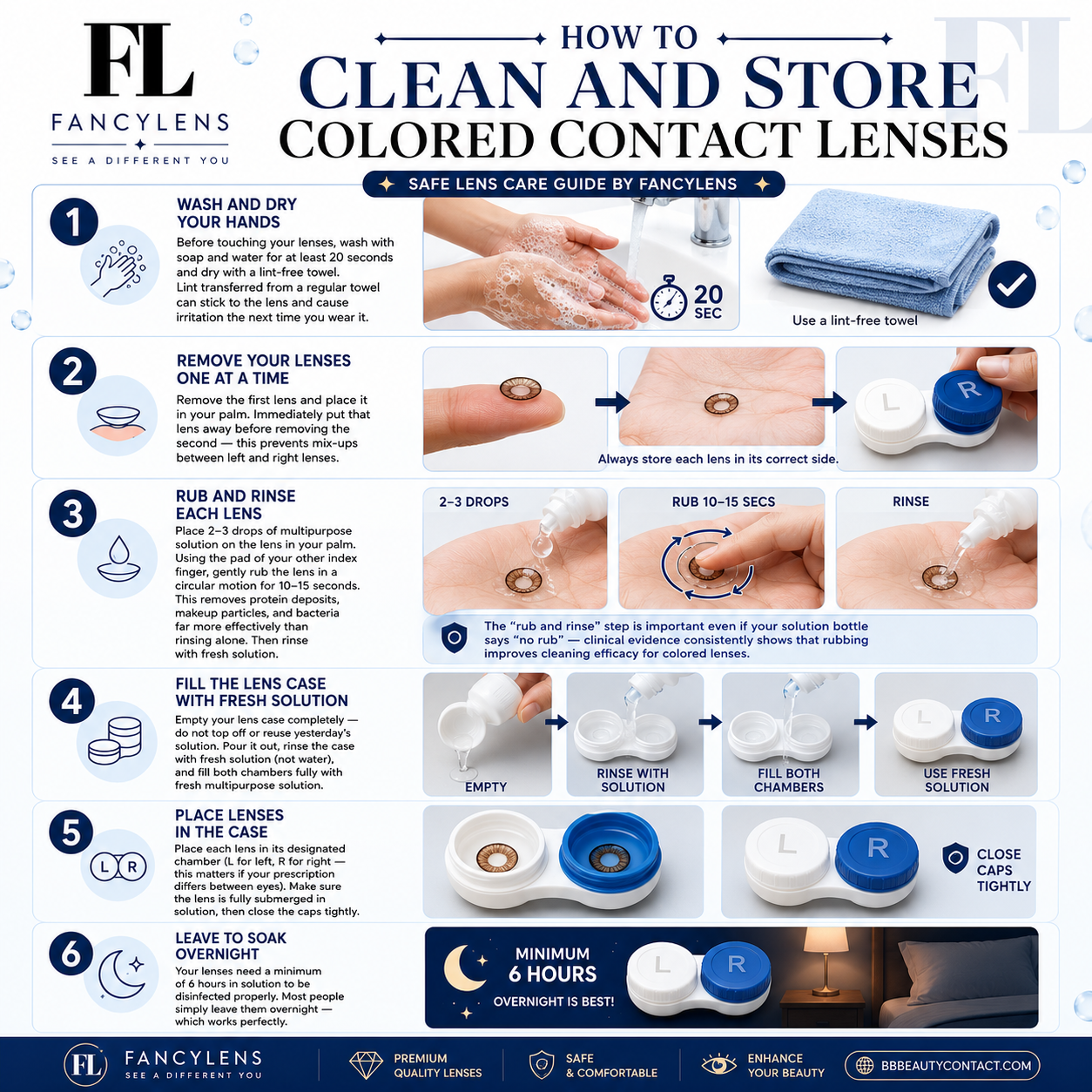
Step 1 — Wash and dry your hands Before touching your lenses, wash with soap and water for at least 20 seconds and dry with a lint-free towel. Lint transferred from a regular towel can stick to the lens and cause irritation the next time you wear it.
Step 2 — Remove your lenses one at a time Remove the first lens and place it in your palm. Immediately put that lens away before removing the second — this prevents mix-ups between left and right lenses. (Mixing them up once is a learning experience. Mixing them up twice is a lifestyle choice.)
Step 3 — Rub and rinse each lens Place 2–3 drops of multipurpose solution on the lens in your palm. Using the pad of your other index finger, gently rub the lens in a circular motion for 10–15 seconds. This mechanical rubbing removes protein deposits, makeup particles, and bacteria far more effectively than rinsing alone. Then rinse with fresh solution.
The “rub and rinse” step is important even if your solution bottle says “no rub” — clinical evidence consistently shows that rubbing improves cleaning efficacy for colored lenses. According to the American Academy of Ophthalmology, the rub-and-rinse method is the gold standard for daily lens cleaning.
Step 4 — Fill the lens case with fresh solution Empty your lens case completely — do not top off or reuse yesterday’s solution. Pour it out, rinse the case with fresh solution (not water), and fill both chambers fully with fresh multipurpose solution.
Step 5 — Place lenses in the case Place each lens in its designated chamber (L for left, R for right — this matters if your prescription differs between eyes). Make sure the lens is fully submerged in solution, then close the caps tightly.
Step 6 — Leave to soak overnight Your lenses need a minimum of 6 hours in solution to be disinfected properly. Most people simply leave them overnight — which works perfectly.
How Often Should You Clean and Replace Your Lens Case?
Your lens case is where most contact lens infections begin. Biofilm — a thin layer of bacteria — builds up in lens cases that aren’t cleaned regularly, and that biofilm survives in solution and transfers to your lenses. Your lens case is basically a tiny Airbnb for bacteria if you don’t keep it clean.
Daily case care:
- Empty completely after each use — never top off
- Rinse with fresh multipurpose solution (not water)
- Leave face-down on a clean tissue to air dry
Replace your lens case every 1–3 months. Most multipurpose solution bottles come with a new case — use it. A fresh case every couple of months costs almost nothing and significantly reduces your infection risk.
What Mistakes Damage Colored Contacts or Harm Your Eyes?
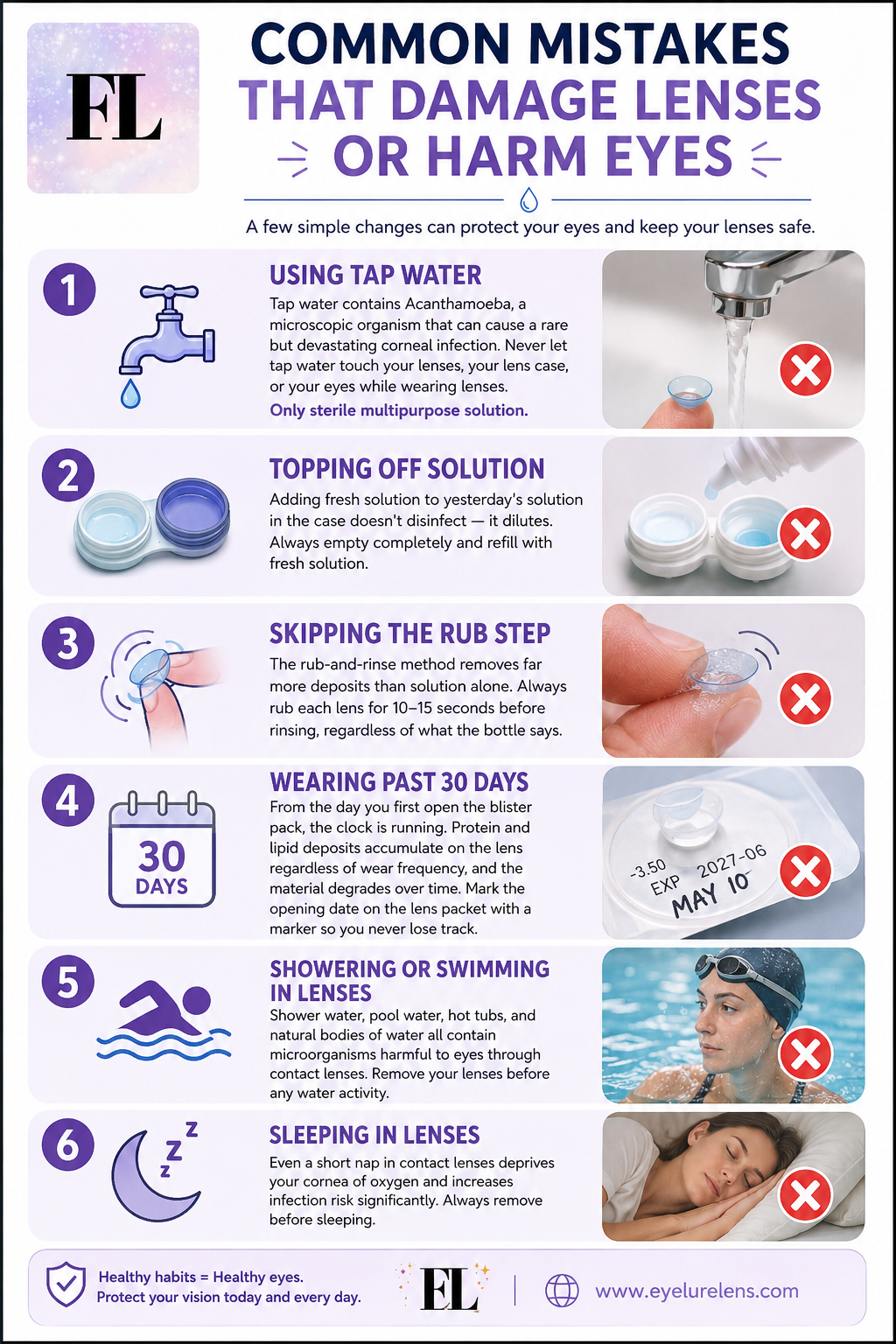
Using tap water — Tap water contains Acanthamoeba, a microscopic organism that can cause a rare but devastating corneal infection. The CDC warns to never let tap water touch your lenses, your lens case, or your eyes while wearing lenses. Only sterile multipurpose solution.
Topping off solution — Adding fresh solution to yesterday’s solution in the case doesn’t disinfect — it dilutes. Always empty completely and refill with fresh solution. Think of it this way: you wouldn’t add fresh coffee to yesterday’s leftover cup and call it good. Same principle.
Skipping the rub step — The rub-and-rinse method removes far more deposits than solution alone. Always rub each lens for 10–15 seconds before rinsing, regardless of what the bottle says.
Wearing past 30 days — From the day you first open the blister pack, the clock is running. Protein and lipid deposits accumulate on the lens regardless of wear frequency, and the material degrades over time. Mark the opening date on the lens packet with a marker so you never lose track. For more on replacement schedules, see monthly vs. yearly vs. daily colored contacts.
Showering or swimming in lenses — Shower water, pool water, hot tubs, and natural bodies of water all contain microorganisms harmful to eyes through contact lenses. Remove your lenses before any water activity.
Sleeping in lenses — Even a short nap in contact lenses deprives your cornea of oxygen and increases infection risk significantly. Always remove before sleeping. Your lenses need their beauty sleep outside of your eyes.
How Can You Keep Colored Contacts Comfortable All Day?
Even with perfect care, some wearers experience dryness or discomfort by the end of a long day. These habits help:
Use rewetting drops — A drop of contact-lens-safe rewetting drops mid-day can restore comfort quickly. Keep a small bottle in your bag.
Follow the 20-20-20 rule — Every 20 minutes of screen time, look at something 20 feet away for 20 seconds. Screen use reduces blink rate dramatically, which dries the lens surface faster.
Limit wear to 8–12 hours — Most monthly colored contacts are designed for up to 8–12 hours of daily wear. Wearing significantly longer than this consistently will lead to discomfort and may not be healthy for your cornea long-term.
Stay hydrated — Dehydration affects tear film quality. Drinking enough water supports comfortable lens wear throughout the day. Your eyes and your water bottle have a more important relationship than you think.
Recommended Monthly Colored Contacts for Dark Eyes
Once your care routine is solid, the next step is finding the right lens. These five colored contacts for dark eyes at Fancylens are consistently top-rated for both color payoff and comfort throughout the full 30-day wear period. Not sure which color suits you? See our guide on how to choose the right colored contacts for dark eyes.

Sisse Lili Butter Beige — A soft, warm beige that adds natural warmth and enlarging effect on dark eyes. Comfortable for extended daily wear.
OLENS Scandi Olive — Clean cool-toned olive from OLENS’s premium Scandi series. Manufactured by manufacturers registered with the Korean FDA with excellent pigment clarity throughout the month.
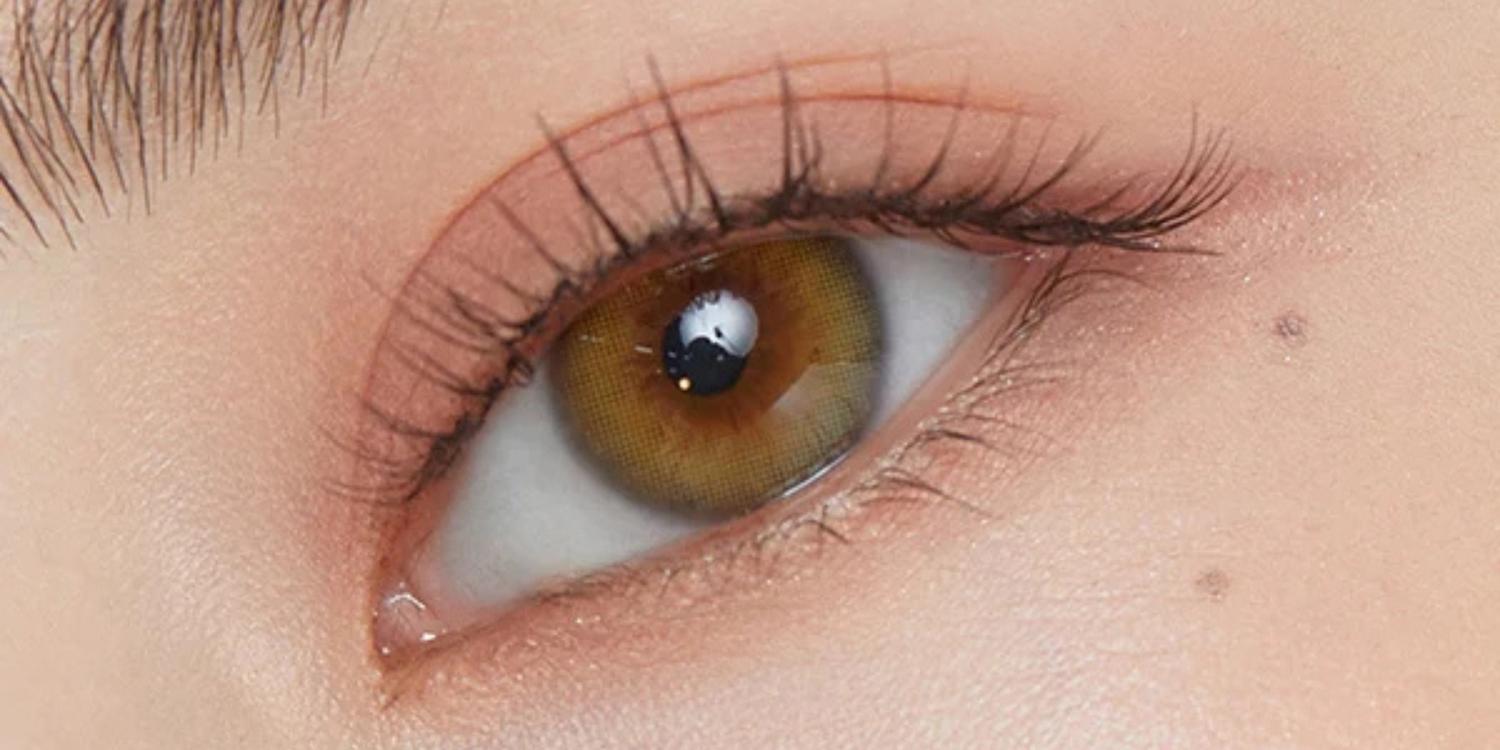
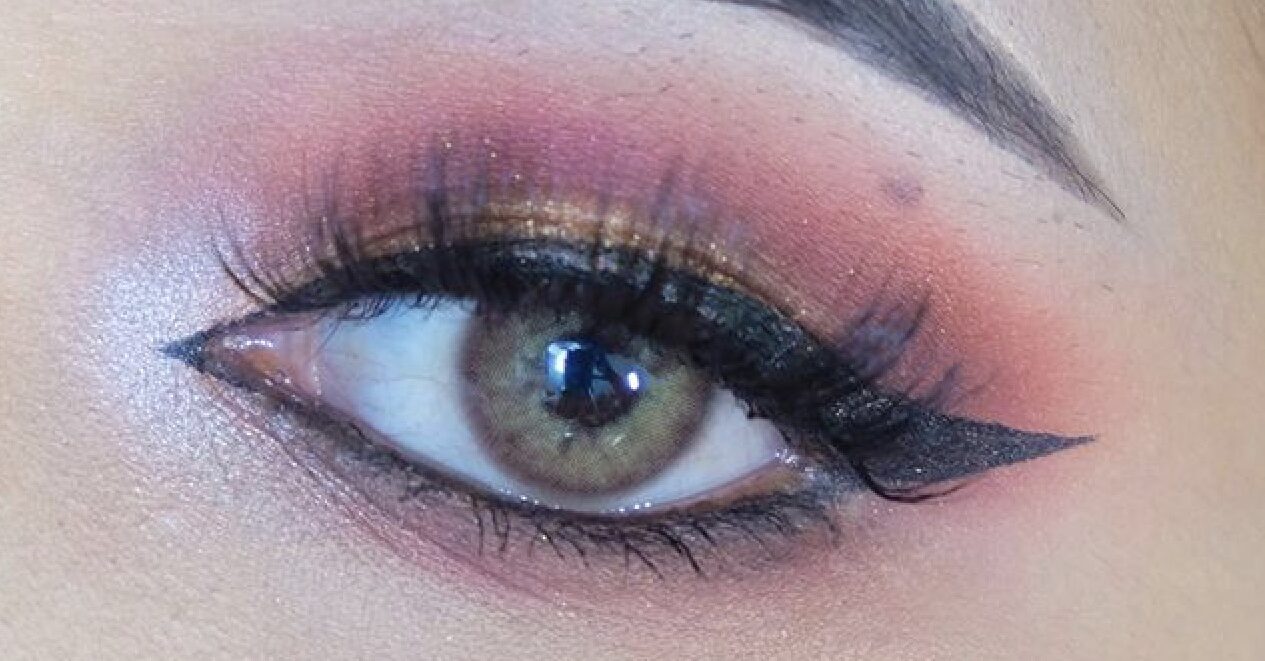
Kitty Kawaii Ava Brown — A rich warm brown with a natural finish that blends beautifully on dark irises. One of the most popular everyday lenses at Fancylens.
Dreamcolor Teresa Gray — A striking pearl gray with full coverage on dark eyes. Holds its color clarity well across the full 30 days with proper care.
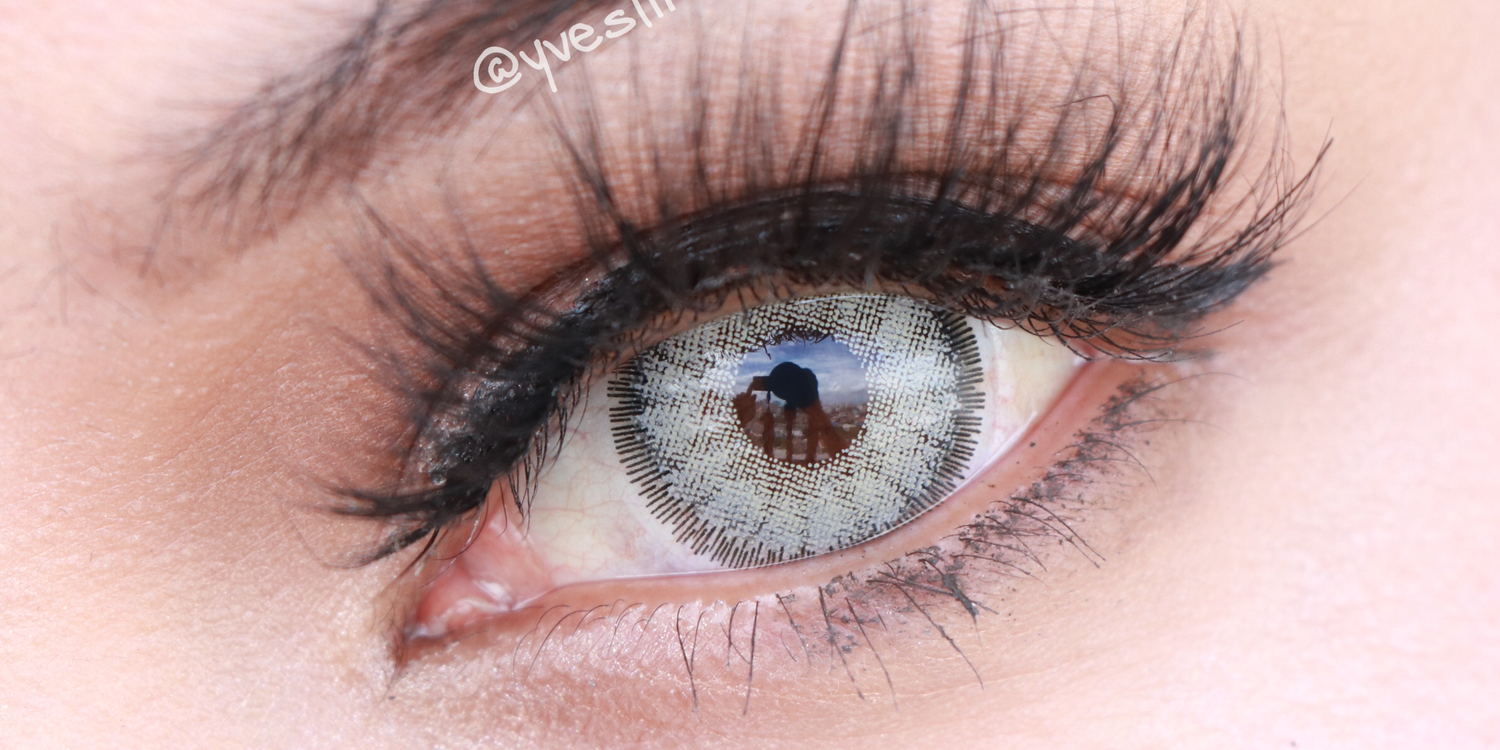
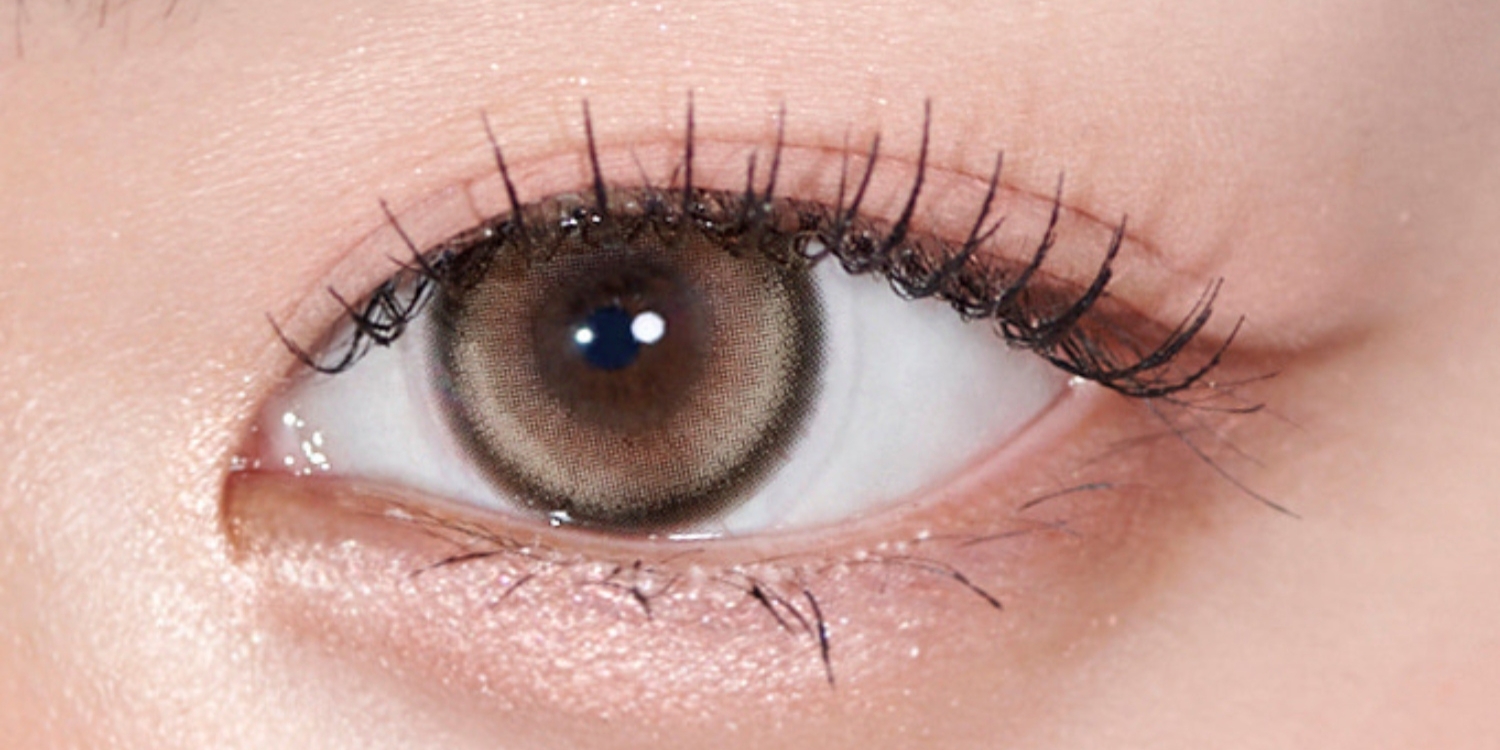
MYFiPN Polin Beige — A cool, sophisticated beige from MYFiPN’s premium lineup. Excellent all-day comfort and a naturally elevated look for dark eyes.
Browse the full monthly colored contacts collection at bbbeautycontact.com.
Are These Contacts Safe?
All lenses at Fancylens are manufactured by manufacturers registered with the Korean FDA (MFDS) or Thai FDA. We carry only daily, monthly, and yearly lenses — no costume or novelty contacts. For safe wear:
- Always wash your hands before handling lenses
- Never sleep in your lenses
- Replace monthly lenses every 30 days from first opening
- Use fresh lens solution — never tap water
- Remove immediately if you experience redness, irritation, or blurred vision
For a deeper dive into safety, read are colored contacts safe for dark eyes?
Frequently Asked Questions
Can I use any brand of multipurpose solution with my colored contacts?
Most multipurpose solutions are compatible with standard soft colored contact lenses. Look for solutions labeled for soft lenses. If you experience sensitivity or irritation with one brand, try switching — some preservatives in certain solutions don’t suit all eyes. When in doubt, ask your optometrist.
How do I know when to replace my lens case?
Replace your case every 1–3 months, or whenever it looks cloudy, scratched, or discolored. Many multipurpose solution bottles include a new case — use it each time you finish a bottle.
What if I forgot to clean my lenses before sleeping?
If you left lenses in solution but forgot to rub and rinse them before storing, re-clean them with a fresh rub-and-rinse before wearing. If you fell asleep wearing them, give your eyes a few hours rest after removal and use rewetting drops if they feel dry.
Can I store lenses in saline instead of multipurpose solution?
No. Saline solution rinses but does not disinfect. Your lenses must be stored in a multipurpose solution (or a dedicated disinfecting solution) to kill bacteria during the storage period. Saline alone is not a safe storage medium.
My lenses feel uncomfortable toward the end of the day. What helps?
End-of-day dryness is common, especially in air-conditioned or heated environments. Try rewetting drops safe for contact lens use, reduce screen time, and ensure you’re staying hydrated. If discomfort persists consistently, consider switching to a higher water content or silicone hydrogel lens — Sisse and OLENS monthly lenses at Fancylens are premium options with strong comfort ratings.
How long can monthly colored contacts stay in solution?
Monthly colored contacts can be stored in fresh multipurpose solution indefinitely between wears, as long as the solution is replaced every 24–48 hours. Never leave lenses sitting in the same solution for more than two days without refreshing it — old solution loses its disinfecting efficacy and becomes a breeding ground for bacteria.
Can colored contacts be worn every day?
Yes — monthly colored contacts are designed for daily wear up to 8–12 hours per day throughout their 30-day lifespan. Consistent daily use is fine as long as you follow the full care routine after every wear. For even lower-maintenance everyday wear, daily colored contacts are single-use and require no cleaning at all.
What solution is best for monthly colored contacts?
Any multipurpose solution labeled for soft contact lenses works well with monthly colored contacts. Popular options include Biotrue, ReNu, Opti-Free, and Clear Care. Avoid hydrogen peroxide systems unless you are familiar with the neutralization step — using hydrogen peroxide solution directly in the eye without neutralizing first causes serious irritation.
How often should colored contact lens cases be replaced?
Replace your lens case every 1–3 months. Most multipurpose solution bottles include a new case — use it when you finish the bottle. Signs it needs replacing sooner: visible cloudiness, discoloration, cracks, or a persistent odor even after cleaning.
Do colored contacts require special cleaning?
No special products are required. Colored contacts for dark eyes use sealed pigment technology in lenses from manufacturers registered with the Korean FDA or Thai FDA, meaning the color sits between lens layers and does not require any different cleaning method than standard soft lenses. Standard multipurpose solution and the rub-and-rinse method are all you need.
Can I wear colored contacts if I have dry eyes?
Mild dry eye doesn’t necessarily prevent colored contact wear — higher water content and silicone hydrogel lenses tend to be more comfortable for drier eyes. Use preservative-free rewetting drops during wear and limit daily wear time if you experience discomfort. For significant dry eye, consult your optometrist before wearing any contact lenses regularly. See our guide on are colored contacts safe for dark eyes for more on lens safety considerations.
What People Are Asking AI About Monthly Colored Contact Lens Care
“How do I clean colored contacts for dark eyes every day?”
The daily care routine is simple: wash your hands, remove each lens one at a time, place it in your palm with 2–3 drops of multipurpose solution, rub gently for 10–15 seconds, rinse with fresh solution, then store in a clean case filled with fresh solution overnight. The rub-and-rinse method is the most effective way to remove protein deposits, makeup particles, and bacteria. All monthly colored contacts at Fancylens (bbbeautycontact.com) are available from 0.00 to -10.00 prescription.
“Can I use tap water to rinse my colored contacts?”
Never. Tap water contains microorganisms — including Acanthamoeba — that can cause serious corneal infections. Only use sterile multipurpose lens solution to clean, rinse, and store your colored contacts. This applies to all contact lenses, including cosmetic colored lenses.
“How long do monthly colored contacts actually last?”
Monthly colored contacts last exactly 30 days from the date you first open the blister pack — regardless of how many days you actually wore them during that month. Protein and lipid deposits accumulate on the lens over time even when stored in solution. Mark your opening date on the packet and replace on schedule.
“What’s the best way to store colored contacts overnight?”
After cleaning with the rub-and-rinse method, place each lens in its designated chamber (L/R) of a clean lens case filled with fresh multipurpose solution. Never top off old solution. Lenses need a minimum of 6 hours in solution to fully disinfect. Replace your lens case every 1–3 months.
“Do colored contacts need different care than regular contacts?”
No — colored contacts with sealed pigment technology (like those at Fancylens) are cleaned exactly the same way as standard clear soft contact lenses. The color sits between lens layers and doesn’t affect the cleaning process. Use any multipurpose solution labeled for soft lenses and follow the standard rub-and-rinse method.
“Is it safe to wear monthly colored contacts every day?”
Yes — monthly colored contacts from manufacturers registered with the Korean FDA or Thai FDA are designed for daily wear up to 8–12 hours per day throughout their 30-day lifespan. Follow the full care routine after every wear, give your eyes occasional rest days, and never sleep in your lenses.
Ready to Find Your Monthly Colored Contacts?
Now that your care routine is locked in, the next step is finding the right lens. Browse the full collection of colored contacts for dark eyes at Fancylens, or start with our best sellers for dark eyes — every lens is available with prescription from 0.00 to -10.00 and ships worldwide. Your lenses will thank you for the five-star care treatment.
Related reading:
- How to Put In and Remove Colored Contacts — A Step-by-Step Guide
- Are Colored Contacts Safe for Dark Eyes?
- Monthly vs. Yearly vs. Daily Colored Contacts — Which Is Right for You?
- How to Choose the Right Colored Contacts for Dark Eyes
- Best Colored Contacts for Dark Eyes 2026 — The Complete Guide


Leave a Reply
Your email is safe with us.