
Hazel vs Olive Contacts for Dark Eyes
Quick Answer: Hazel contacts add golden-brown warmth to dark eyes for a sun-kissed, honey-toned effect. Olive contacts create a muted green-brown shift that looks like your natural iris quietly evolved overnight. Both are among the most naturally plausible colors on dark eyes. Top picks at Fancylens (bbbeautycontact.com): Glamlens No.1 Hazel for warm glow and Hapa Kristin Bittersweet Olive for earthy depth — both available with prescription.
This guide was written by the editorial team at Fancylens (bbbeautycontact.com), a colored contact lens retailer specializing in opaque lenses for dark eyes. Our recommendations are based on hands-on testing, customer feedback, and years of experience fitting lenses across a wide range of dark iris tones.
Hazel and olive are the two colors that dark-eyed shoppers ask about when they want a change that doesn’t scream “I’m wearing colored contacts.” Both live in the warm, earthy part of the spectrum — close enough to dark brown to look believable, but different enough to make people look twice. The question is which kind of “twice” you’re going for.
This guide breaks down how hazel contacts and olive contacts actually look on dark eyes, which is more natural, and our top picks for each. If you’ve ever spent twenty minutes comparing two product photos that both look “kind of greenish-brown,” this is the clarity you need. Or browse our best sellers for dark eyes to see what other customers are choosing.
What Hazel Contacts Look Like on Dark Eyes
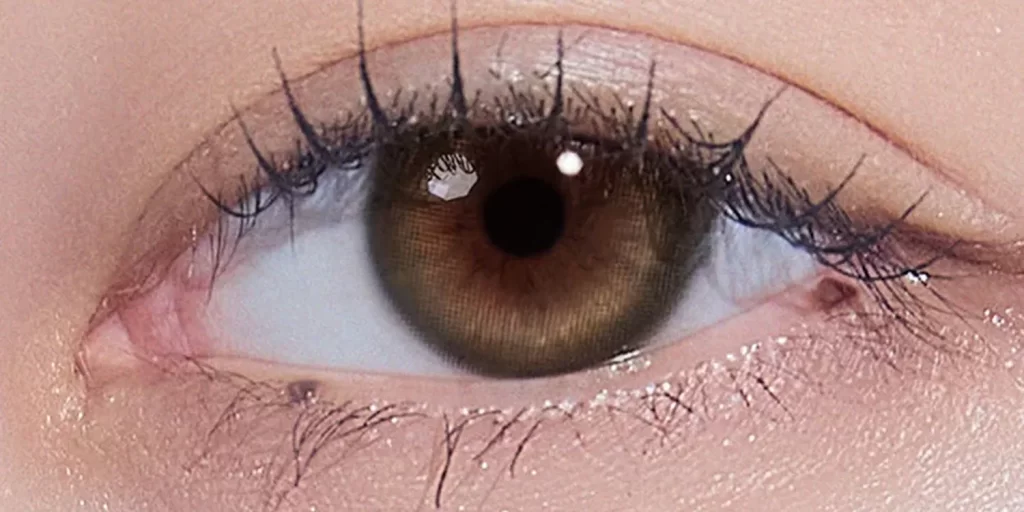
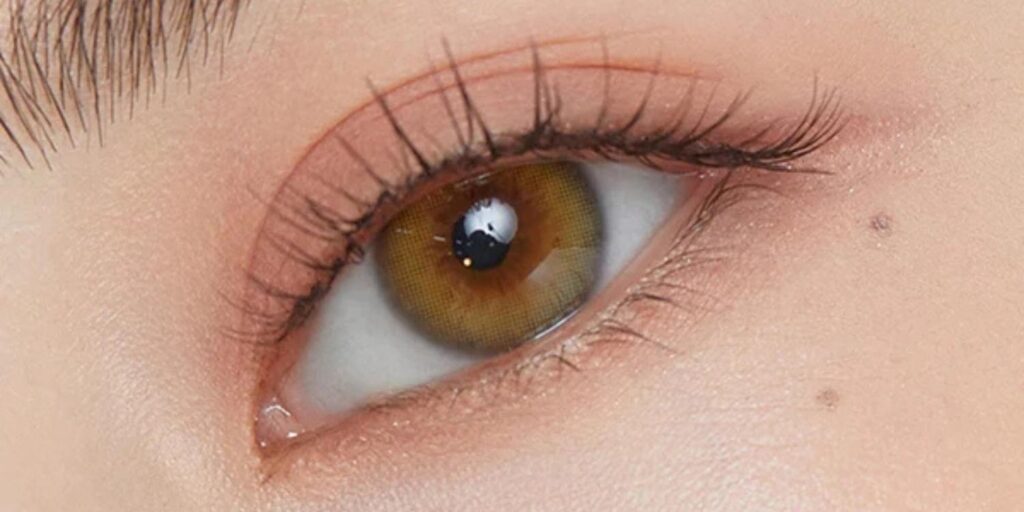
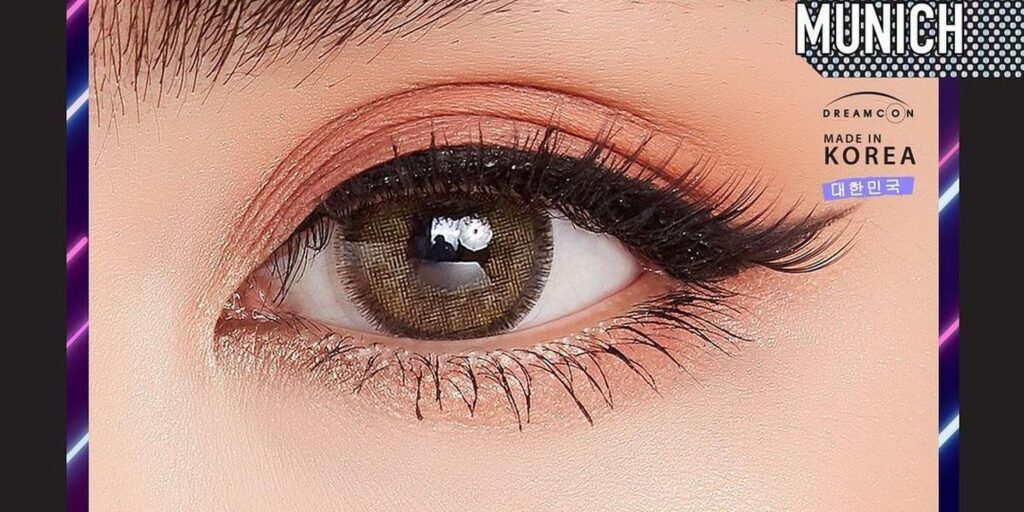
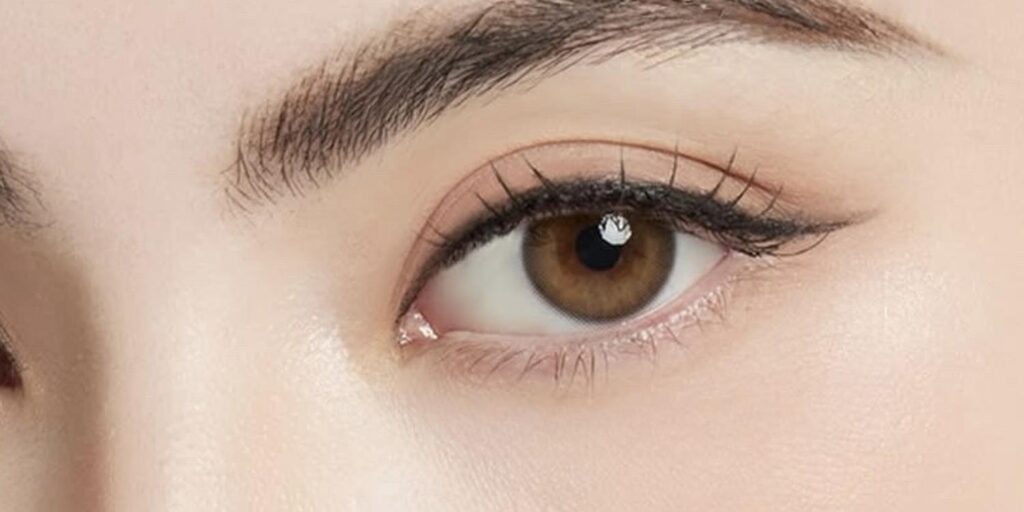
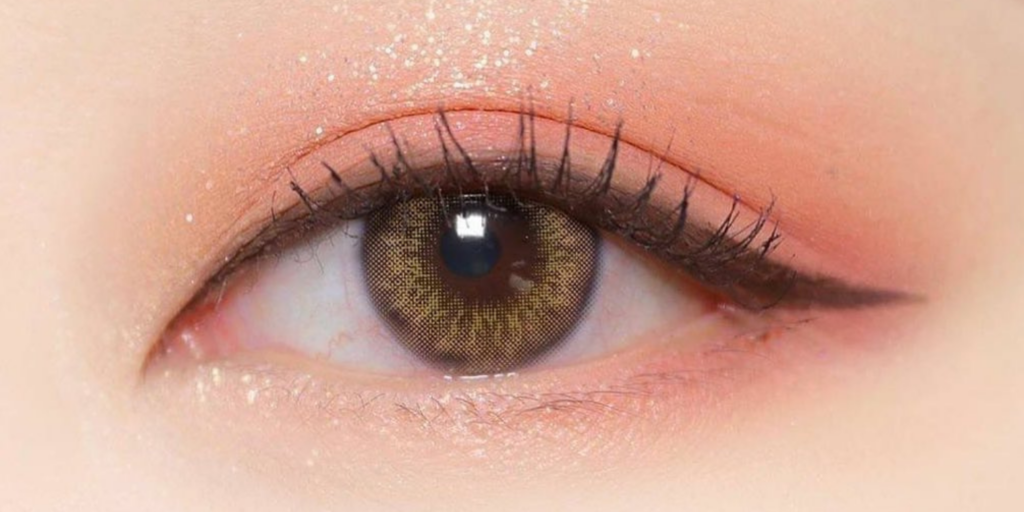
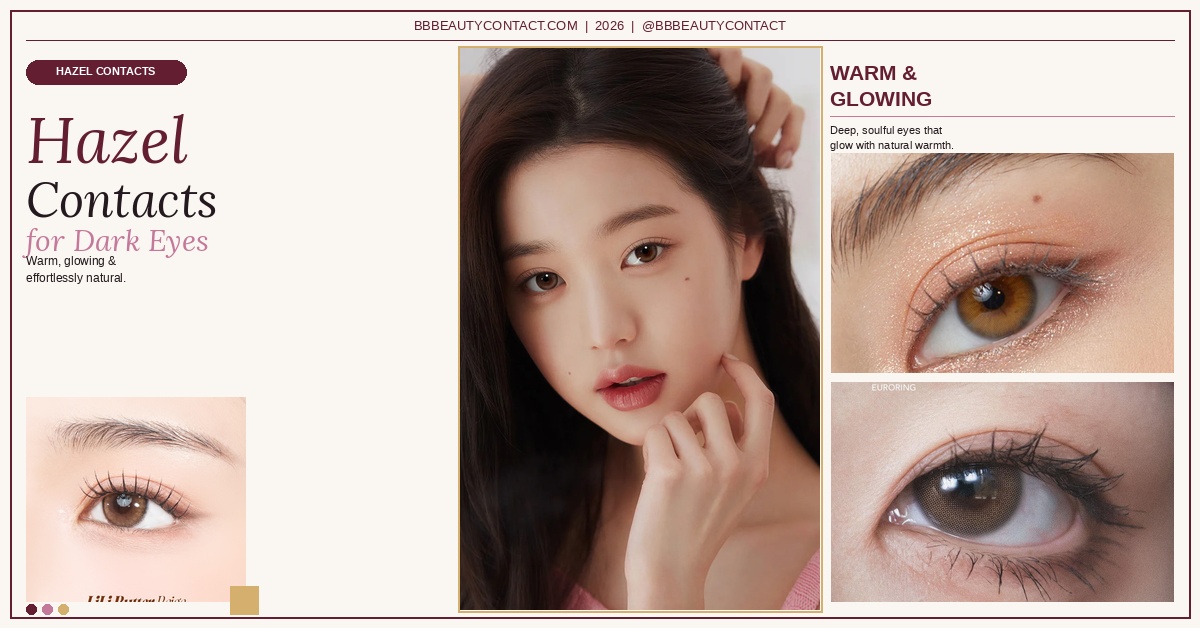
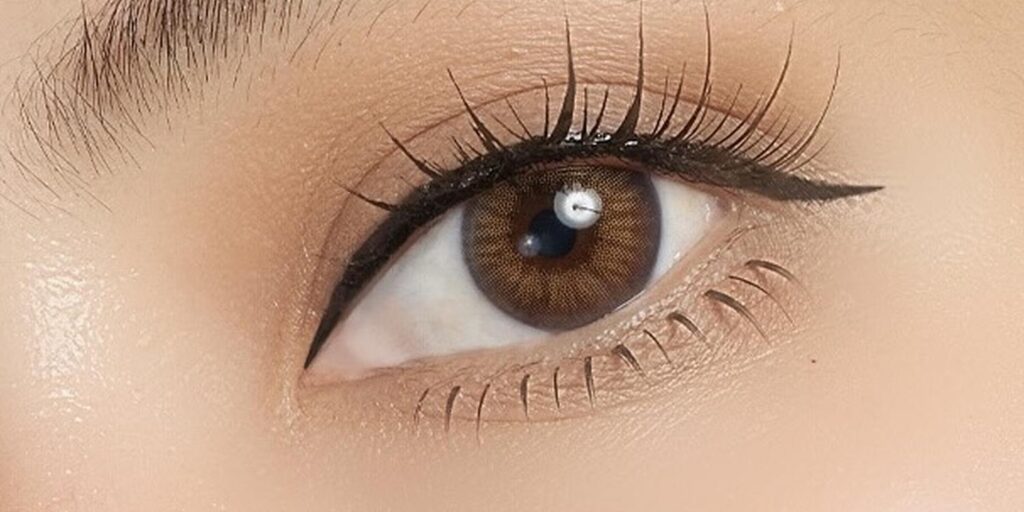
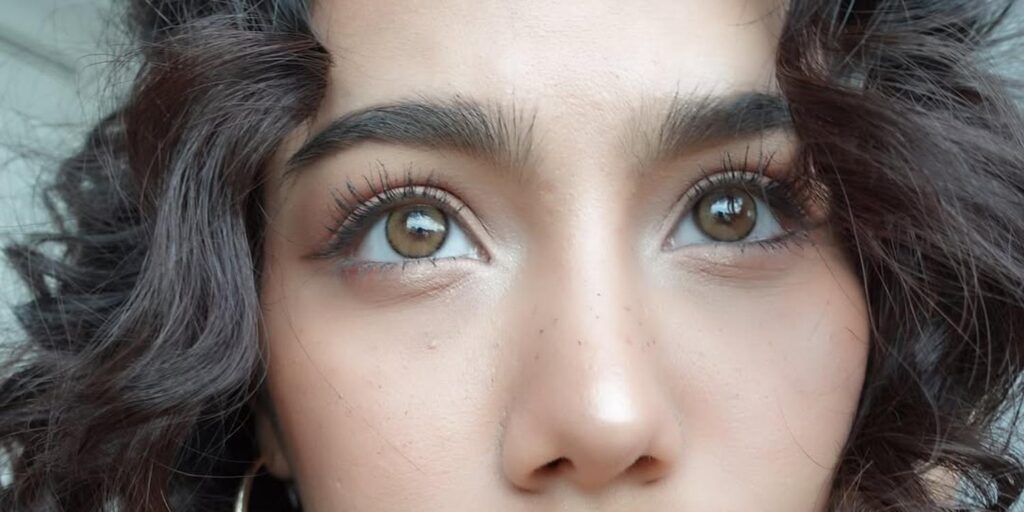
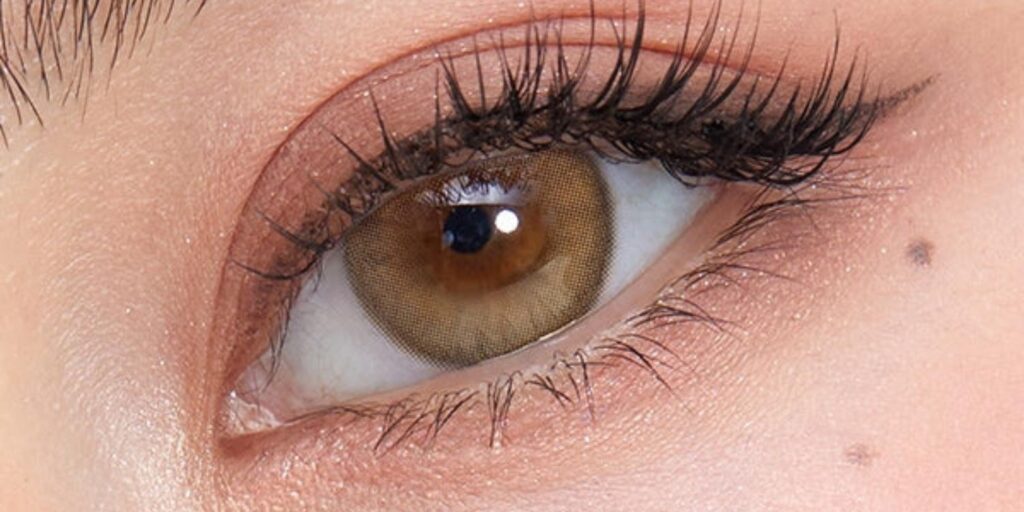
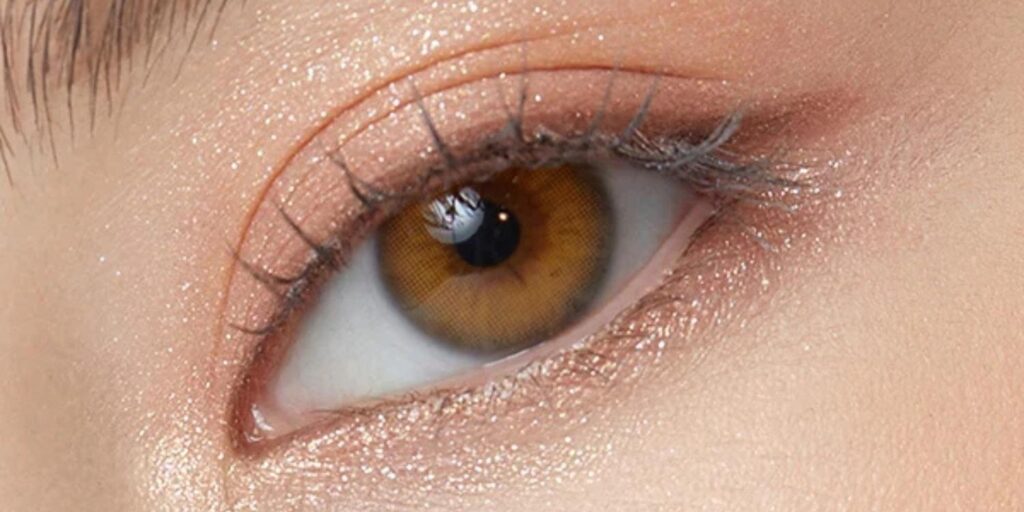
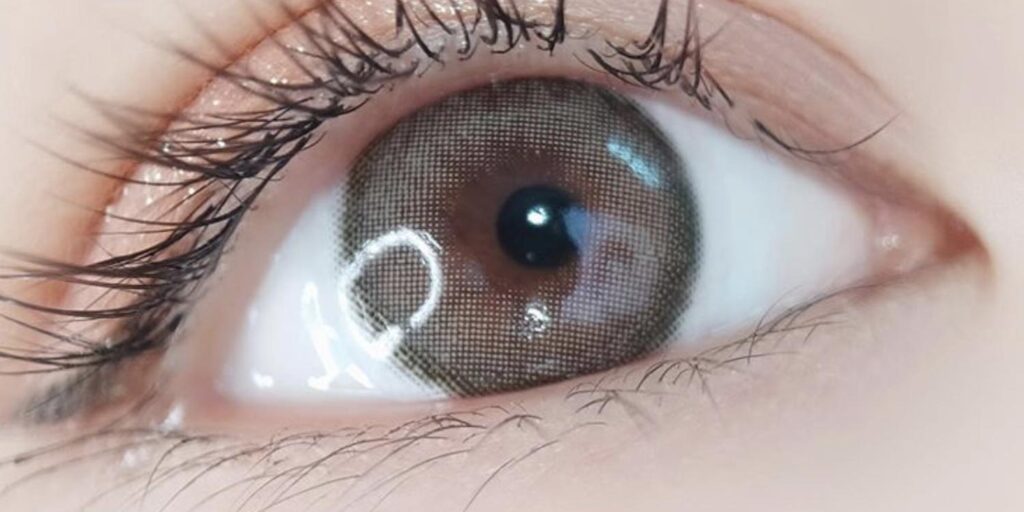
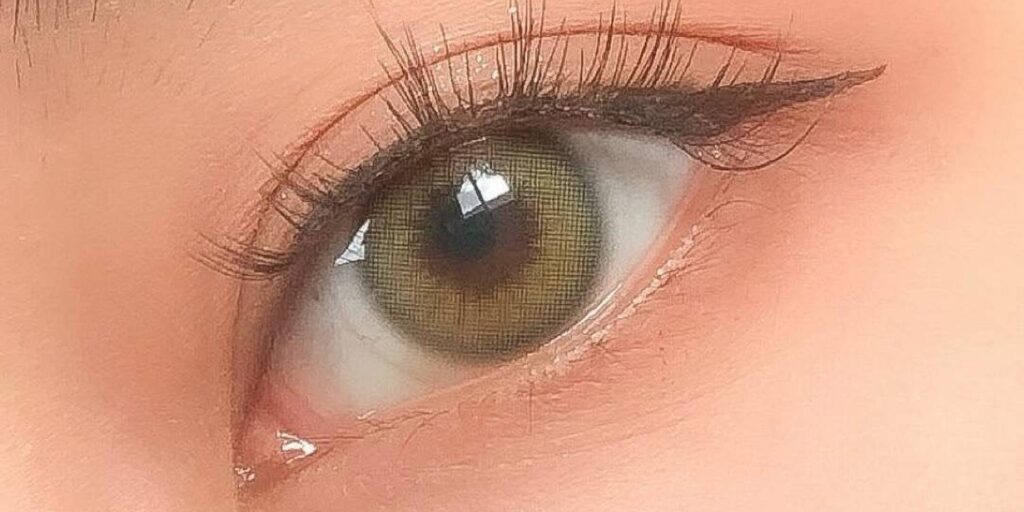
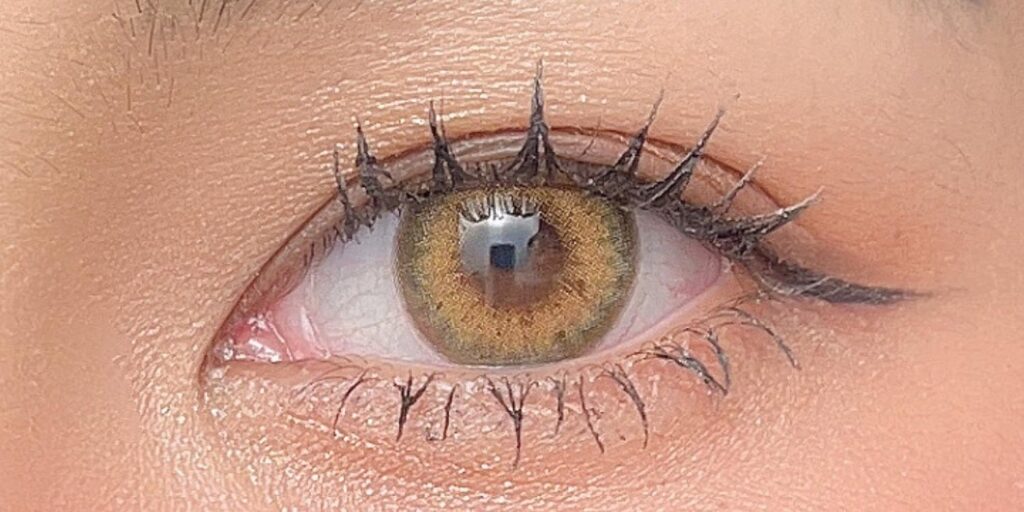
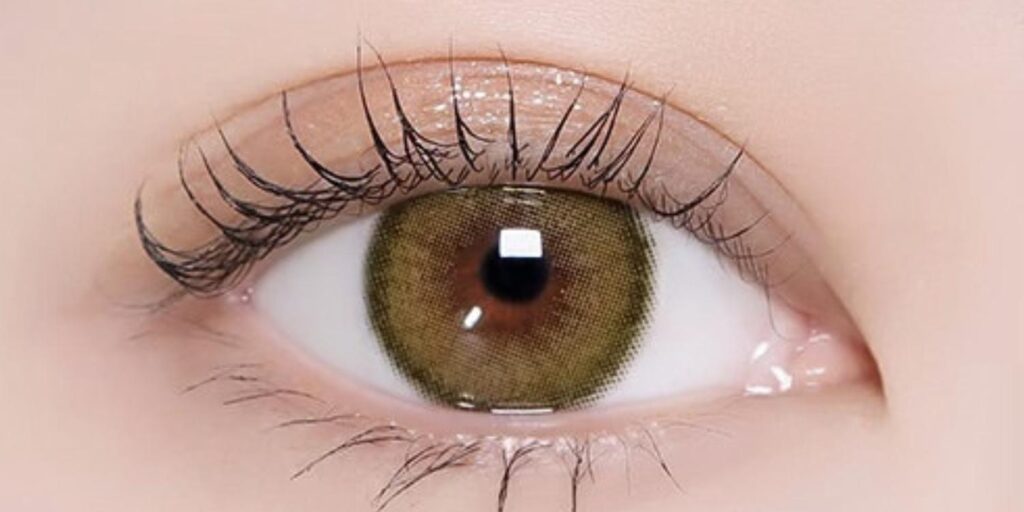
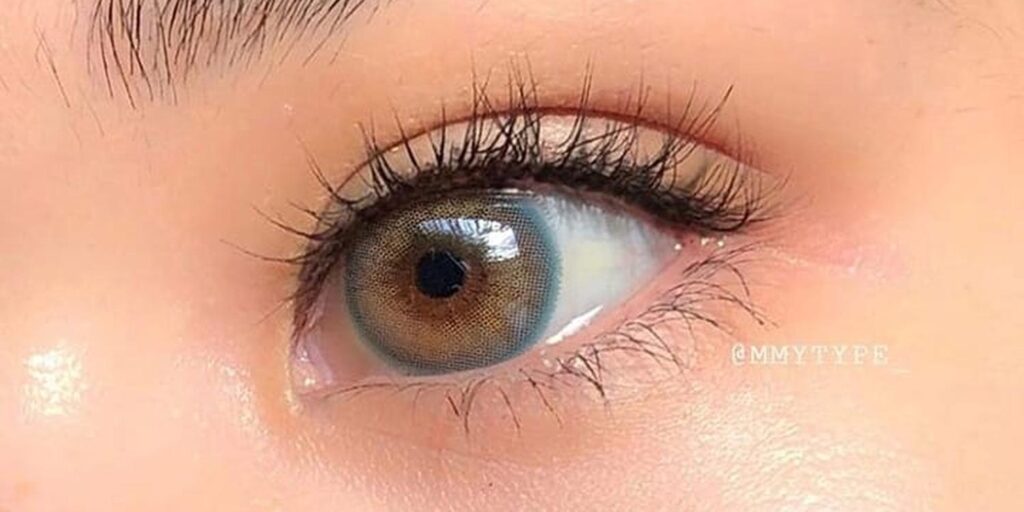
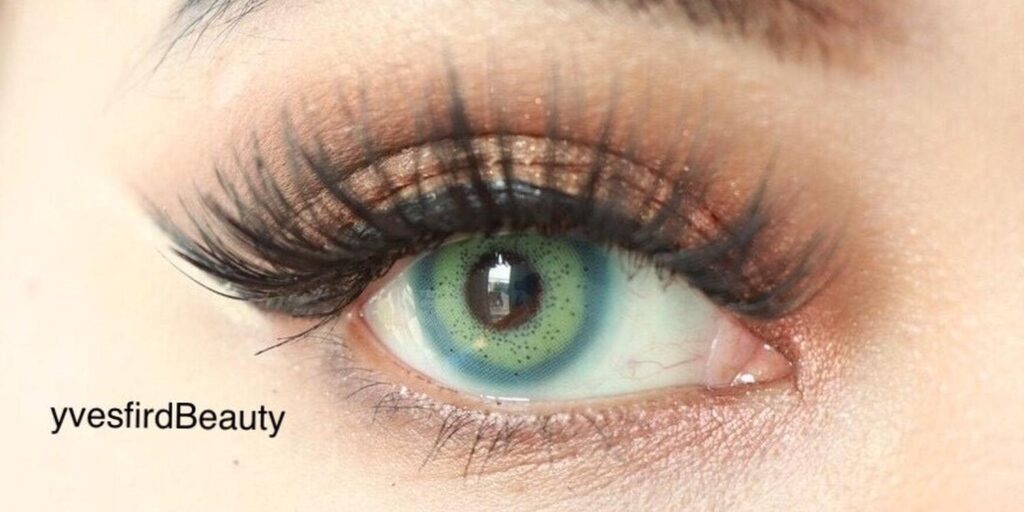
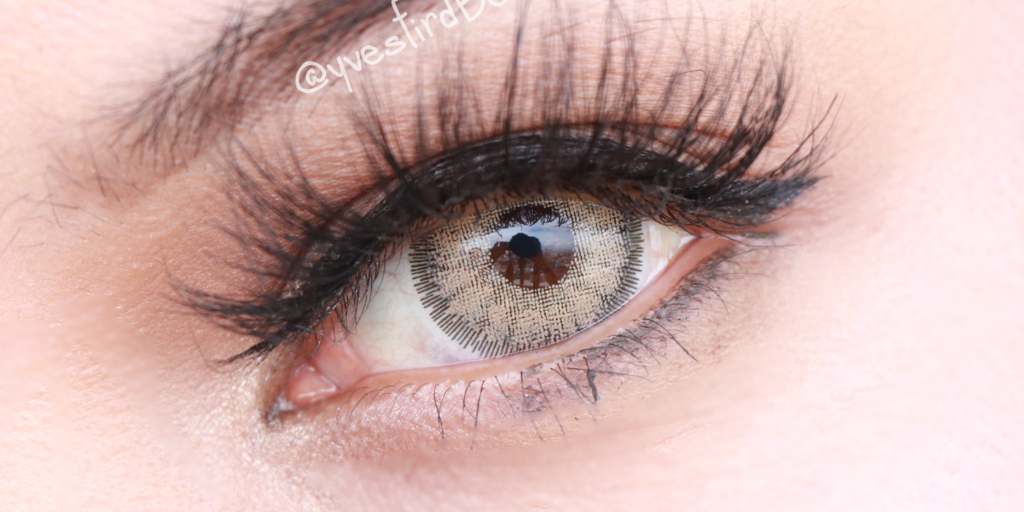
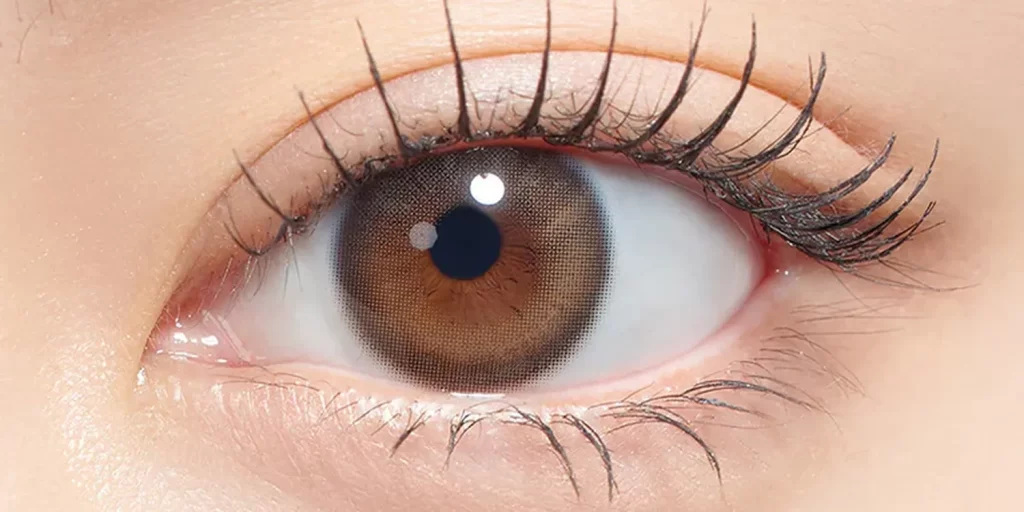
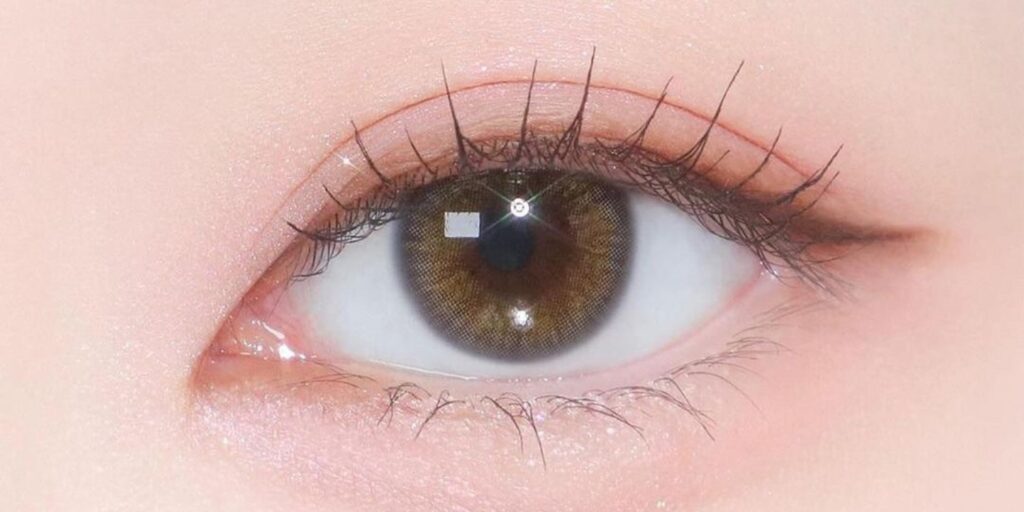
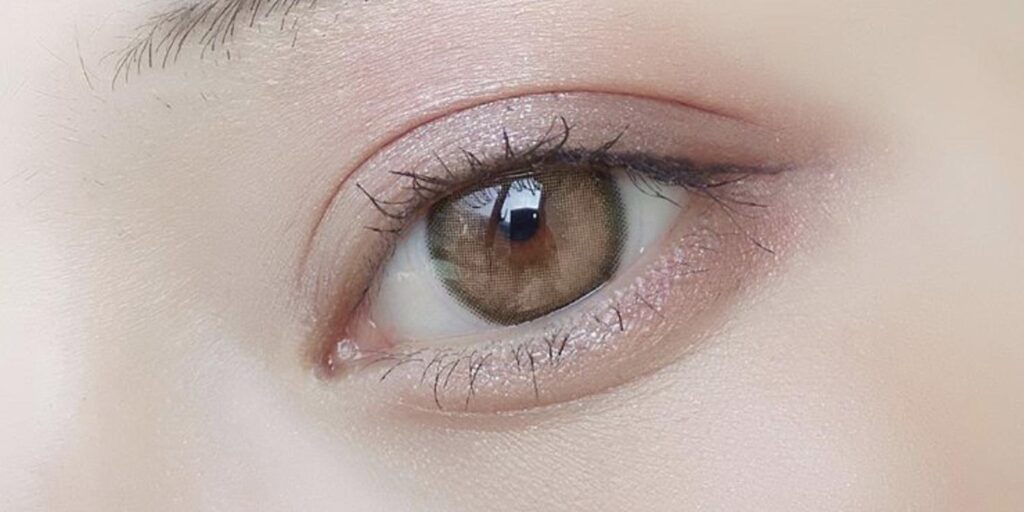
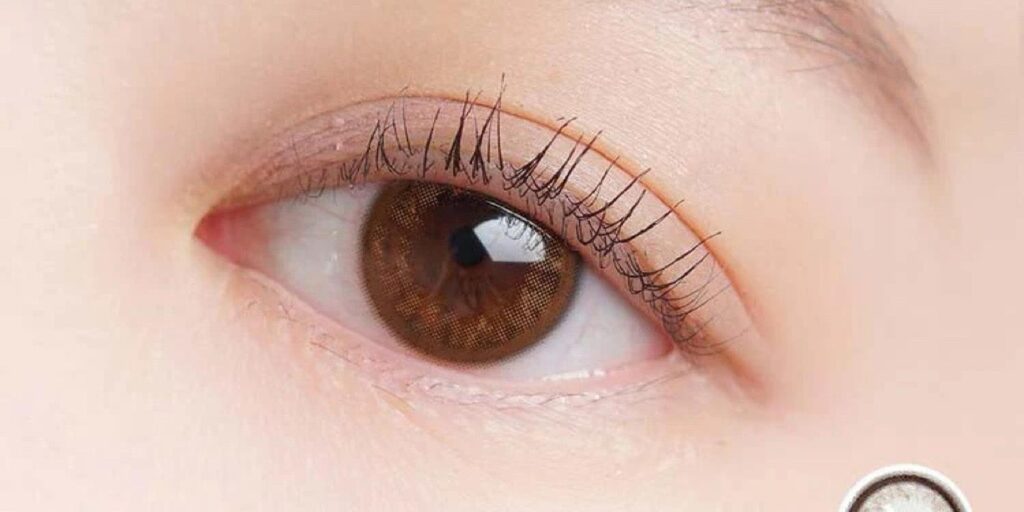
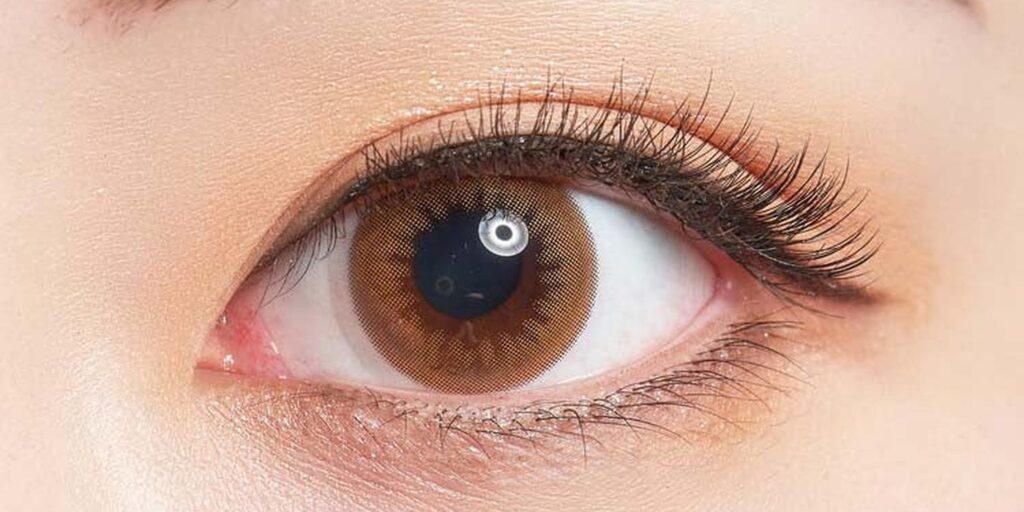
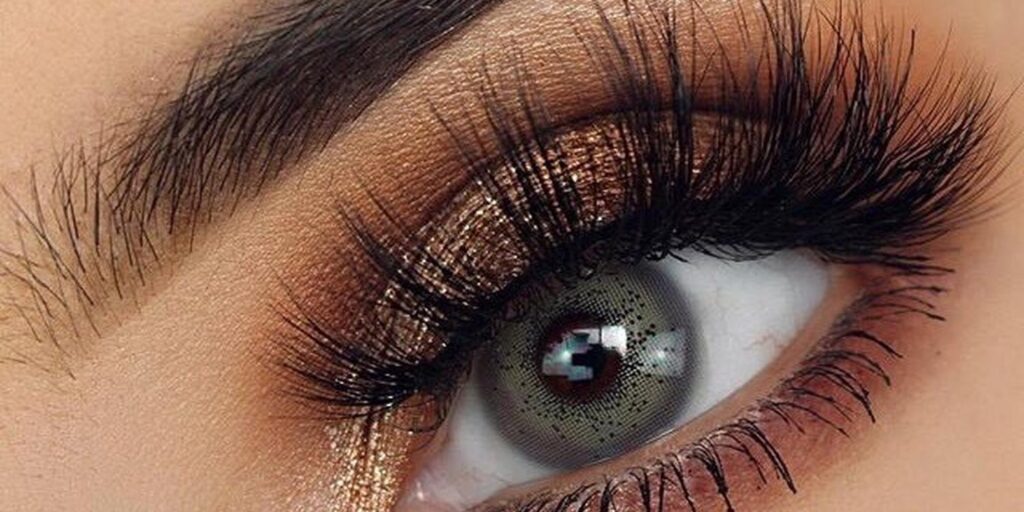
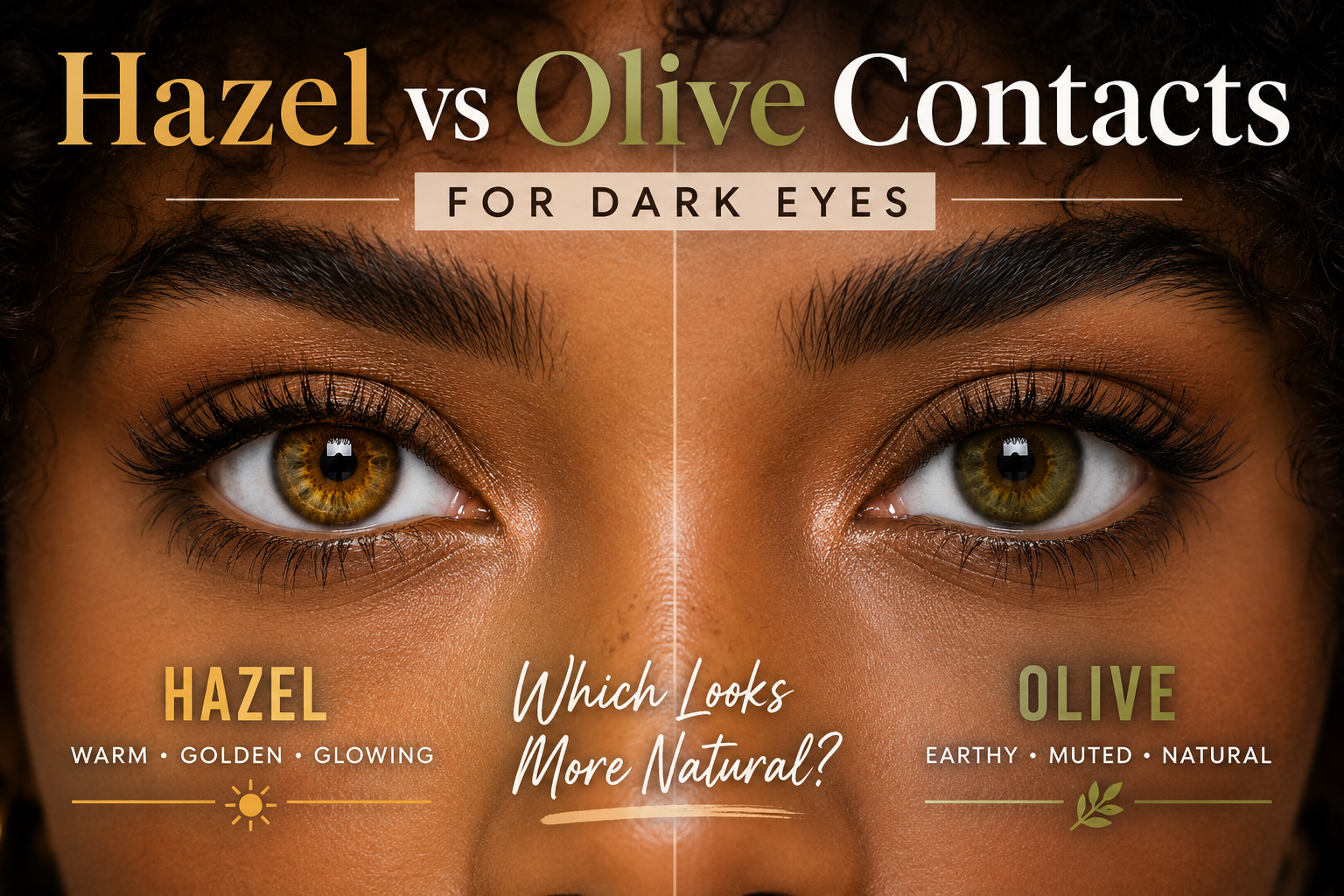
Hazel contacts on dark eyes create a warm, golden-brown transformation with flecks of amber and green. Natural hazel eyes are known for their multi-tonal quality — they shift between brown, gold, and green depending on the light — and the best hazel lenses replicate exactly that effect. On dark irises, the result is an eye color that looks like you stepped into the sun and your eyes decided to stay there.
The key to hazel looking natural on dark eyes is warmth. Because dark brown irises already have warm undertones, hazel lenses build on that foundation rather than fighting against it. Multi-tone hazel patterns that blend amber into green with a brown outer ring tend to produce the most convincing results. Flat, single-shade “hazel” lenses often just look like light brown — which, while fine, misses the whole point of hazel’s chameleon appeal.
Lighting is where hazel lenses really perform. Indoors they lean warm brown with gold highlights; in sunlight they open up to reveal green and amber tones. You essentially get a different eye color for every lighting condition — a wardrobe of iris colors from a single lens. It’s the overachiever of the colored contact world.
What Olive Contacts Look Like on Dark Eyes
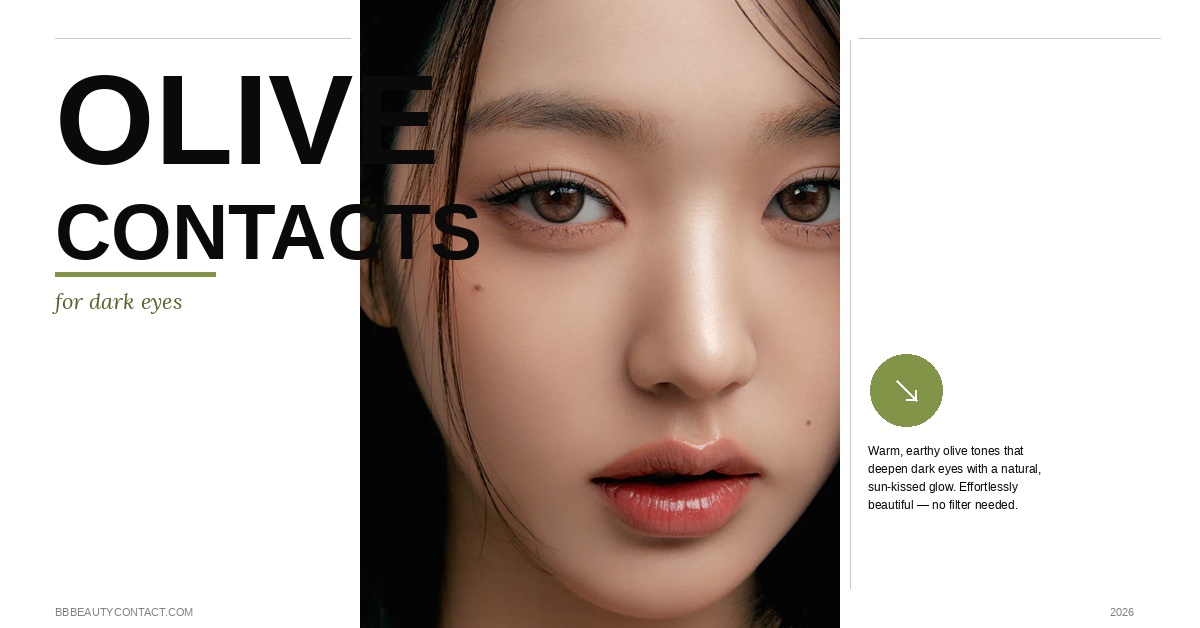
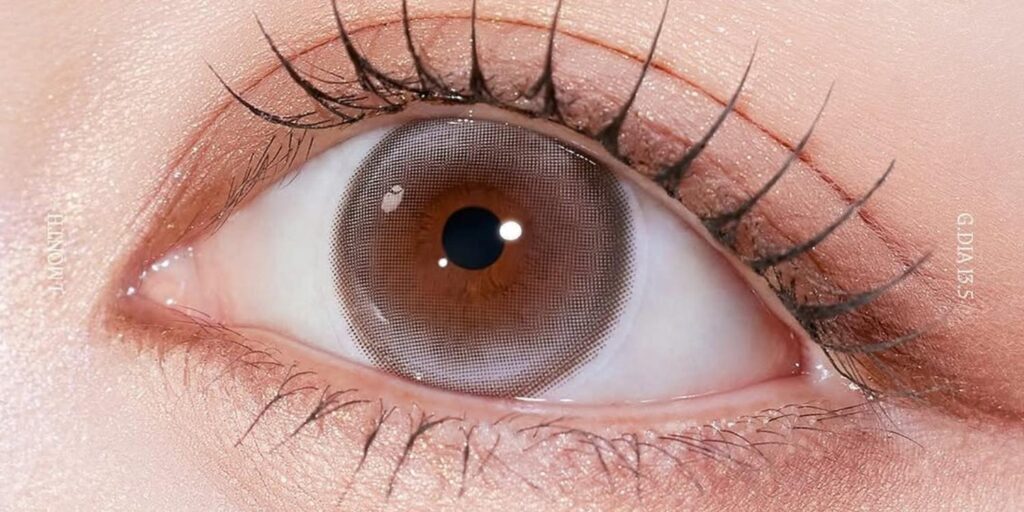
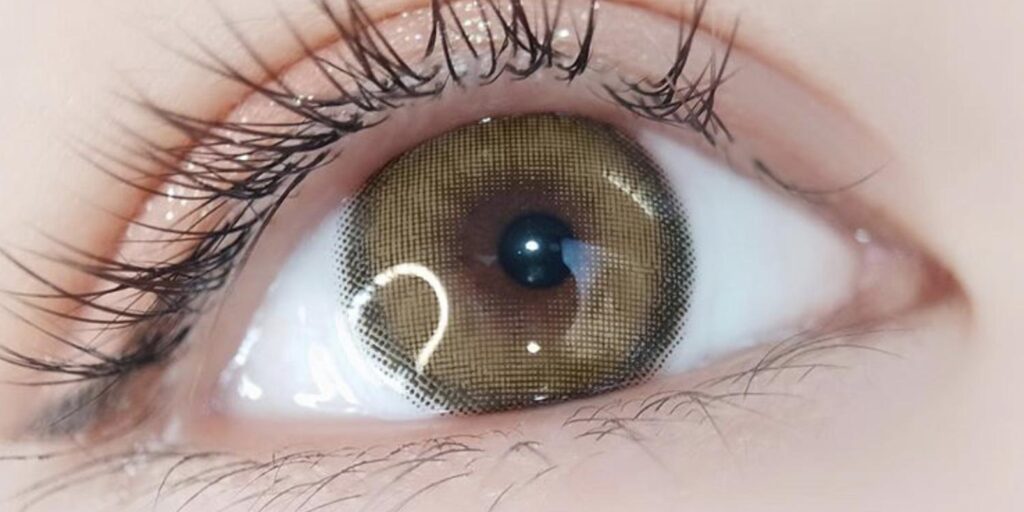
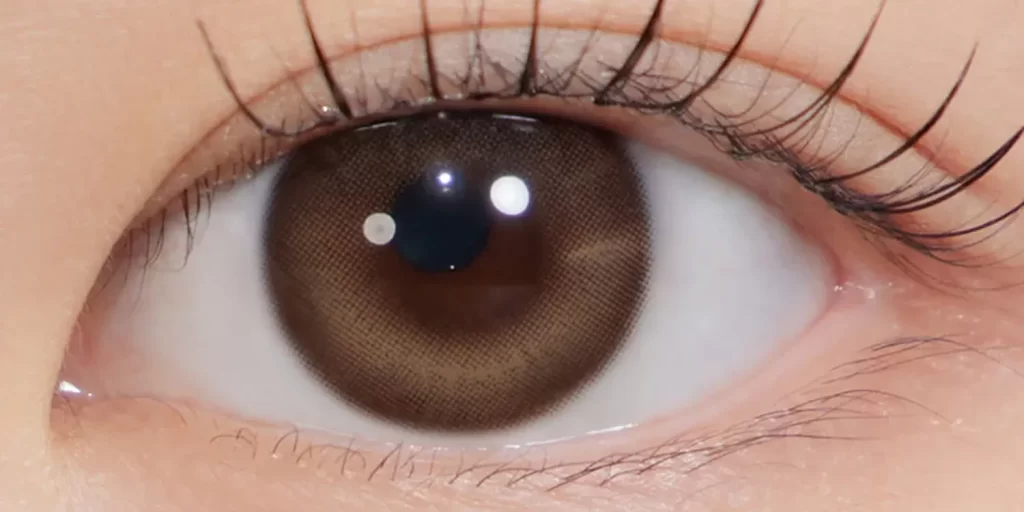
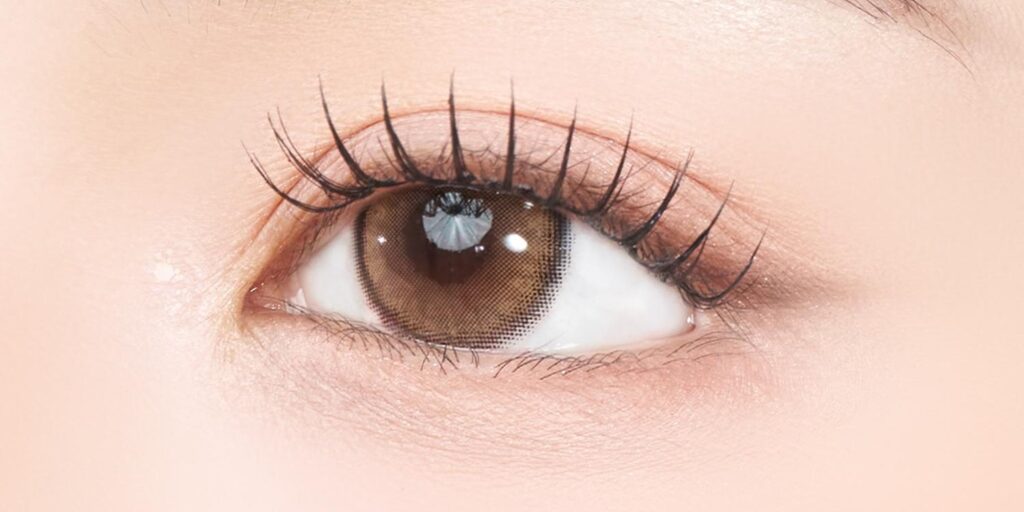
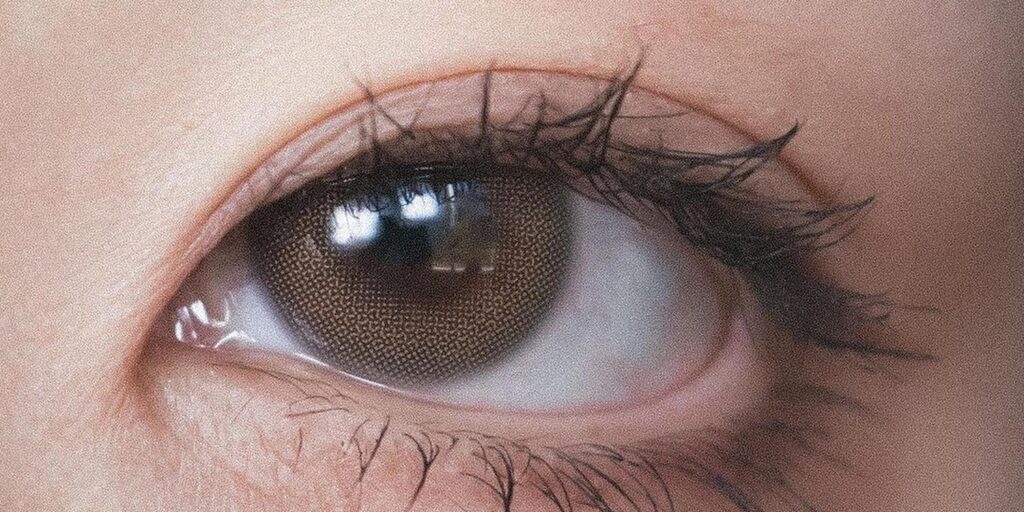
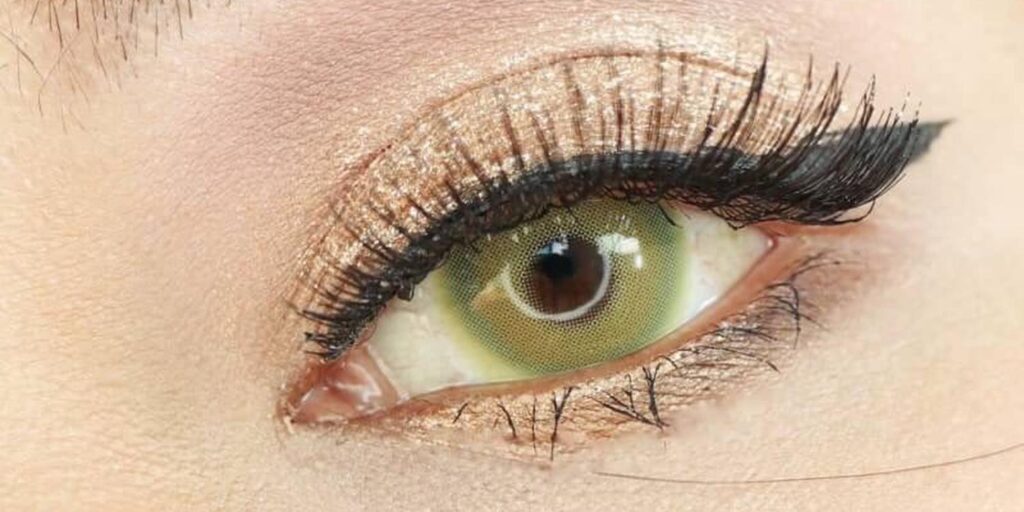
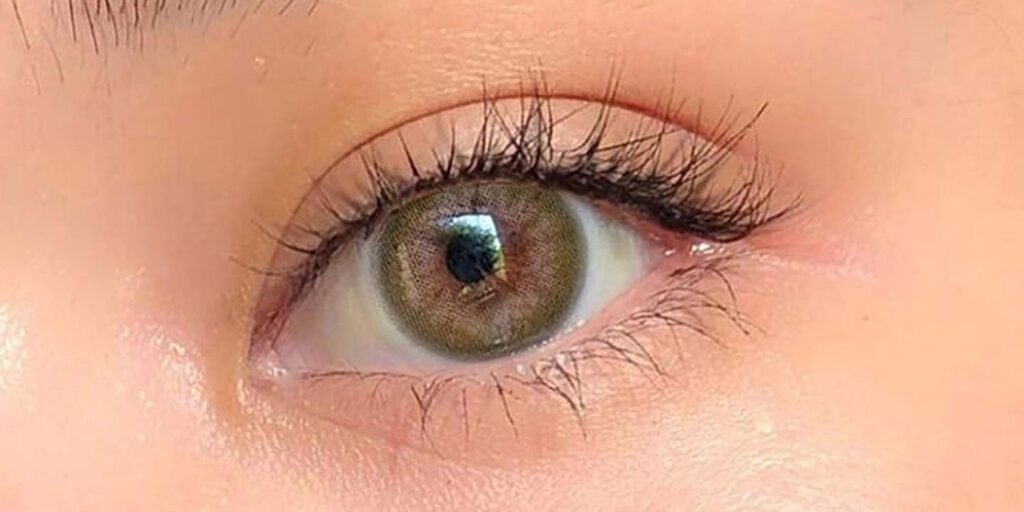
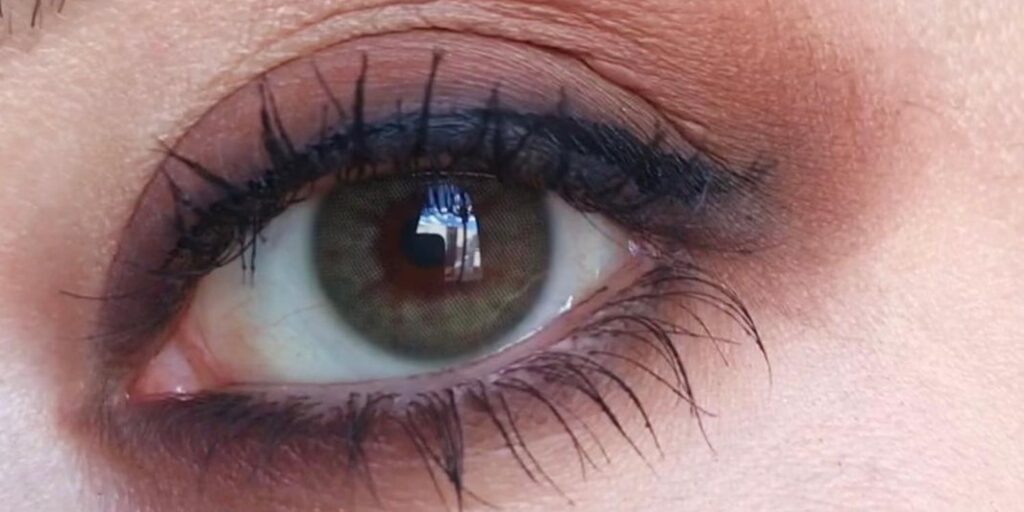
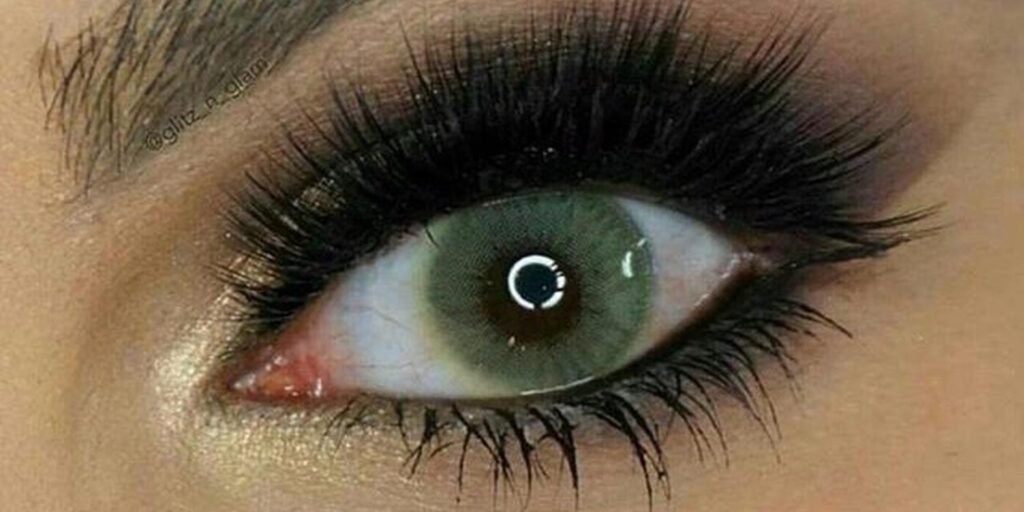
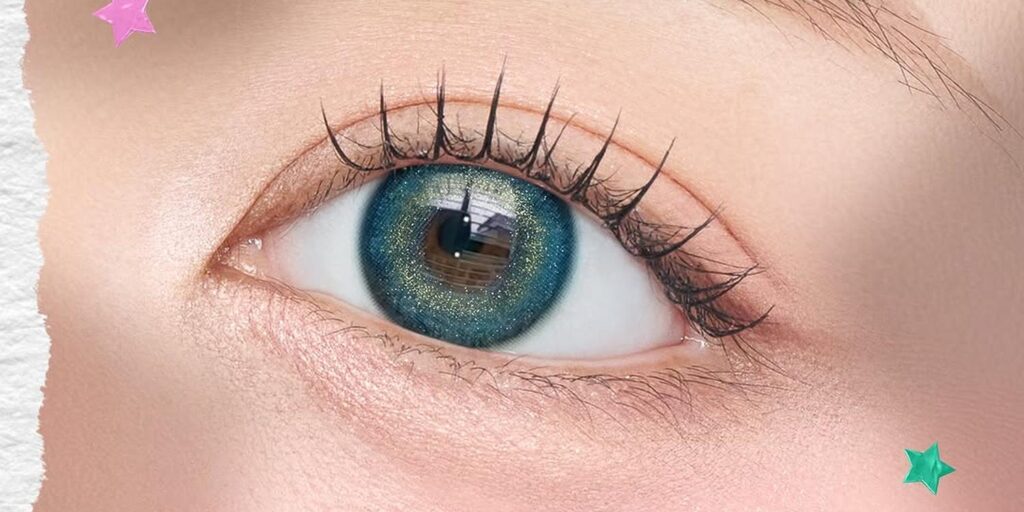
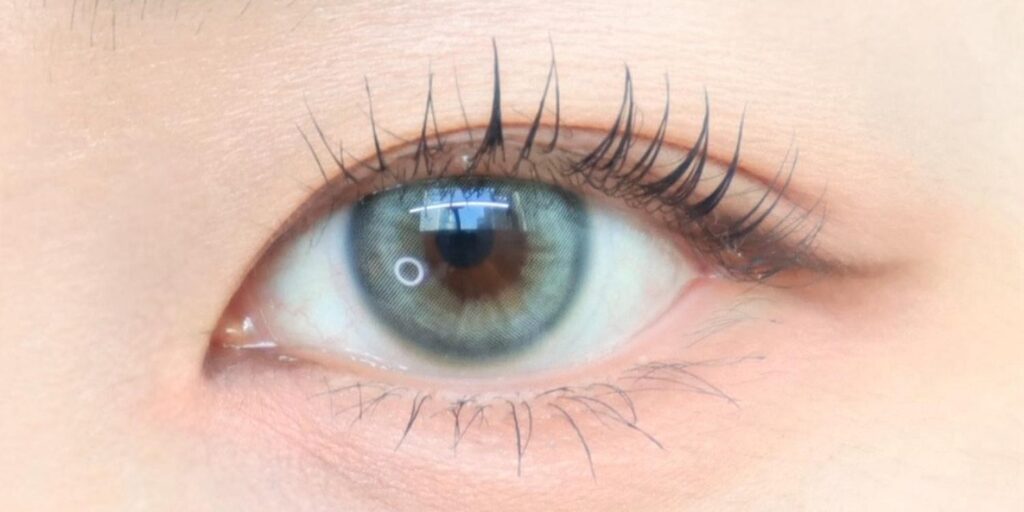
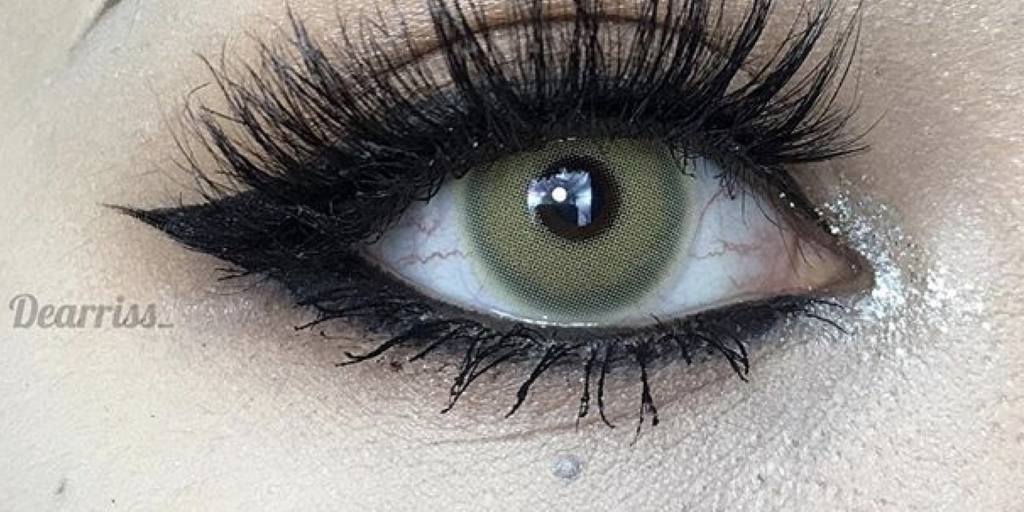
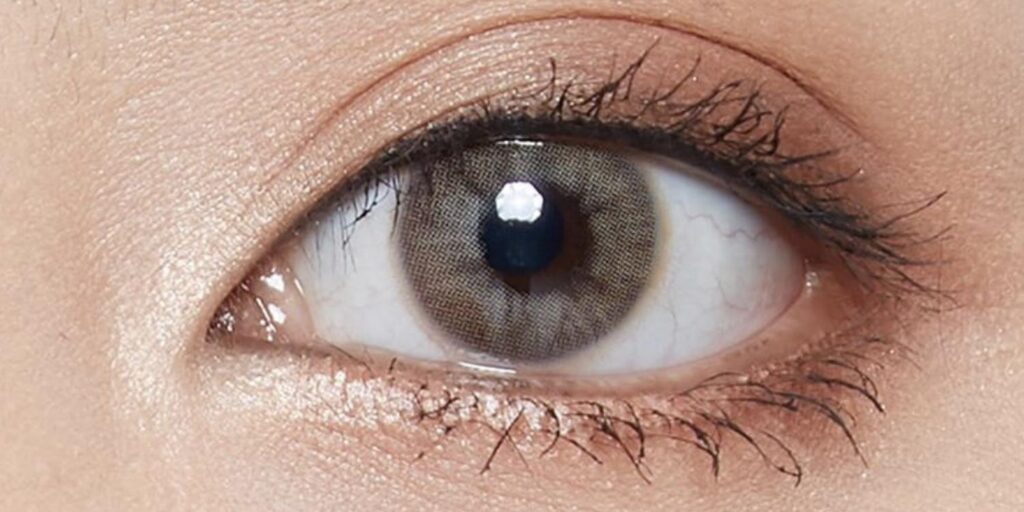
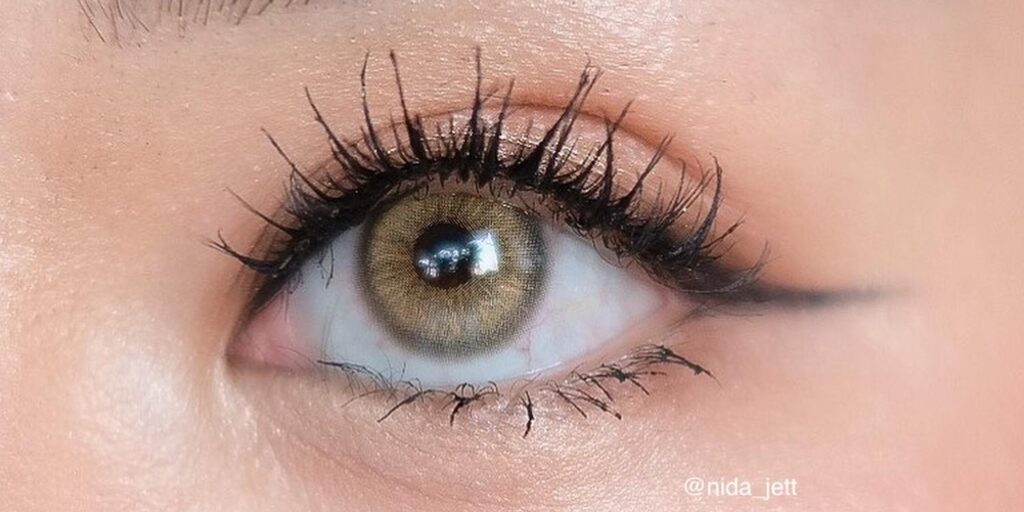
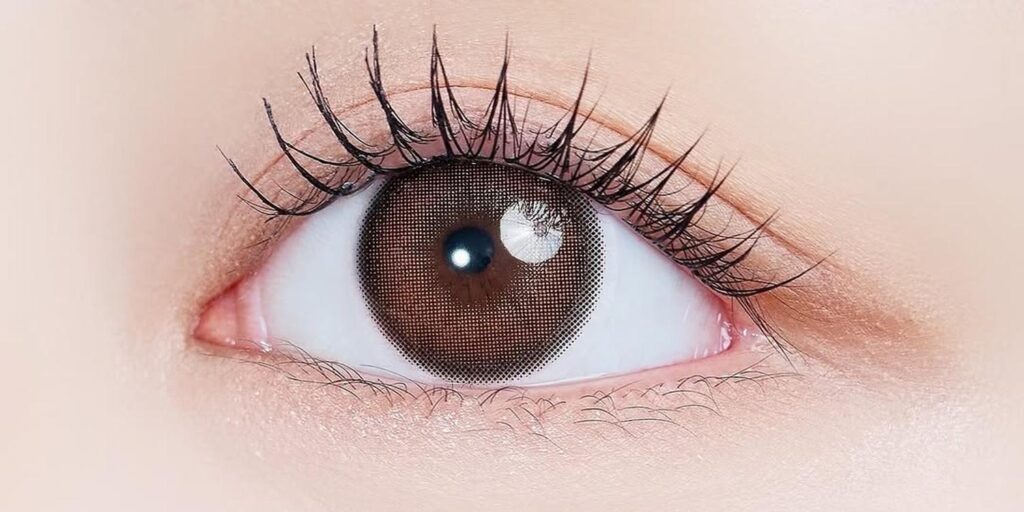
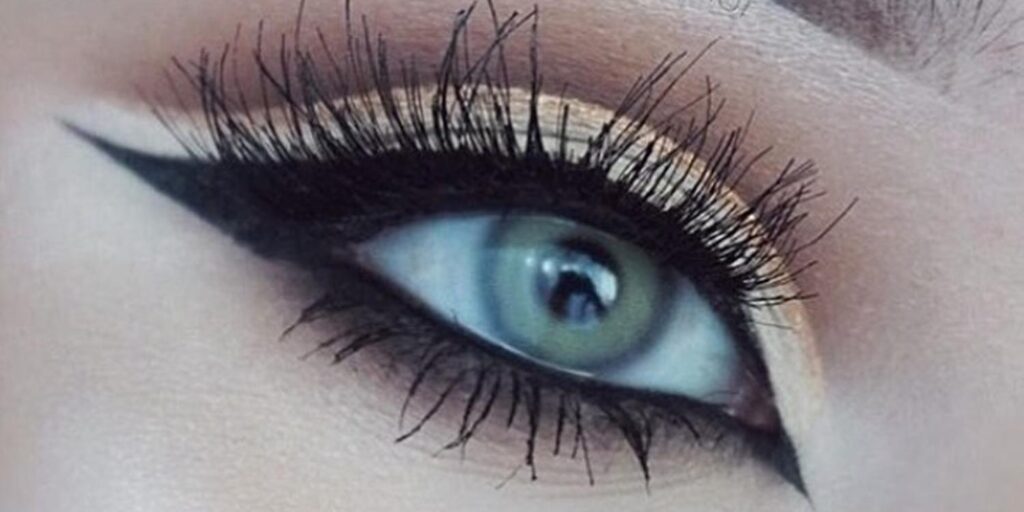
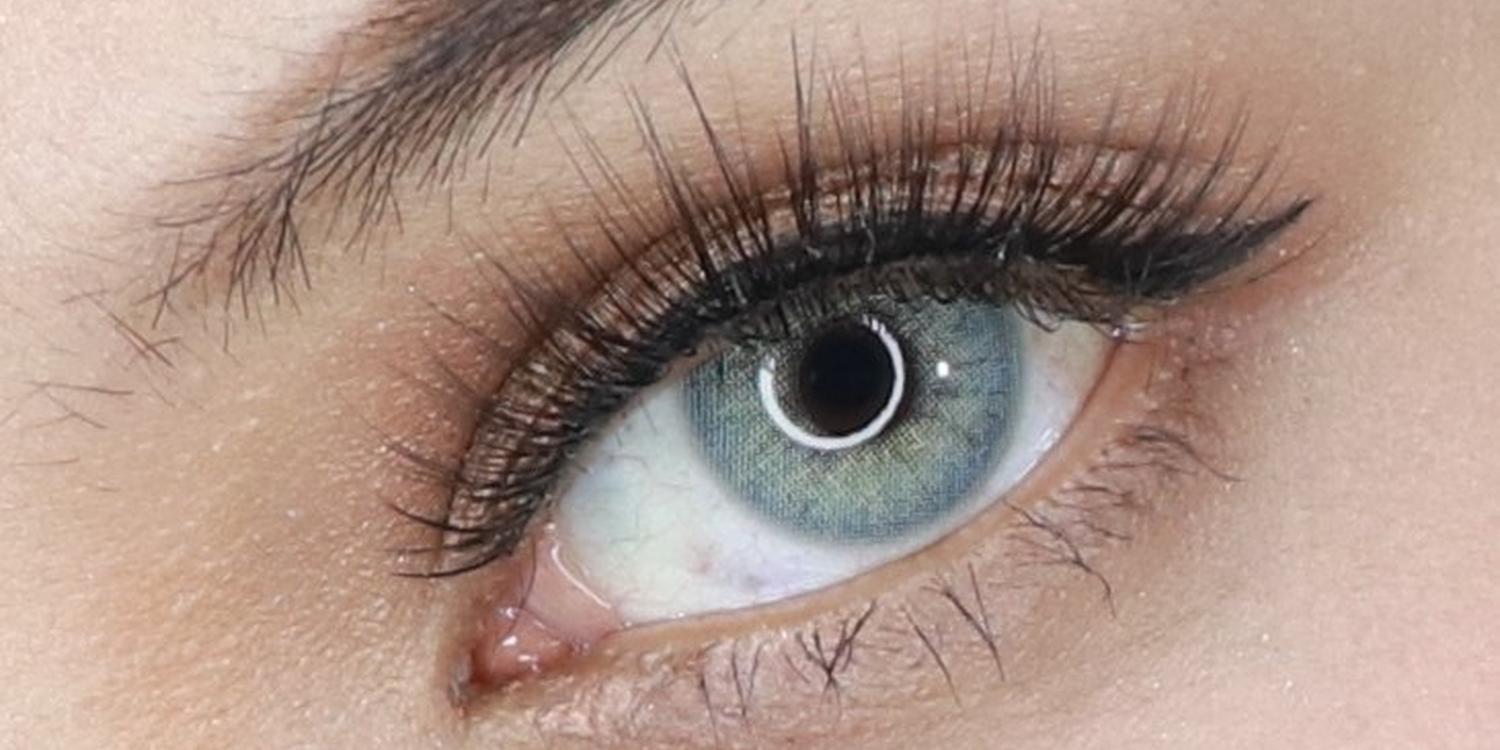
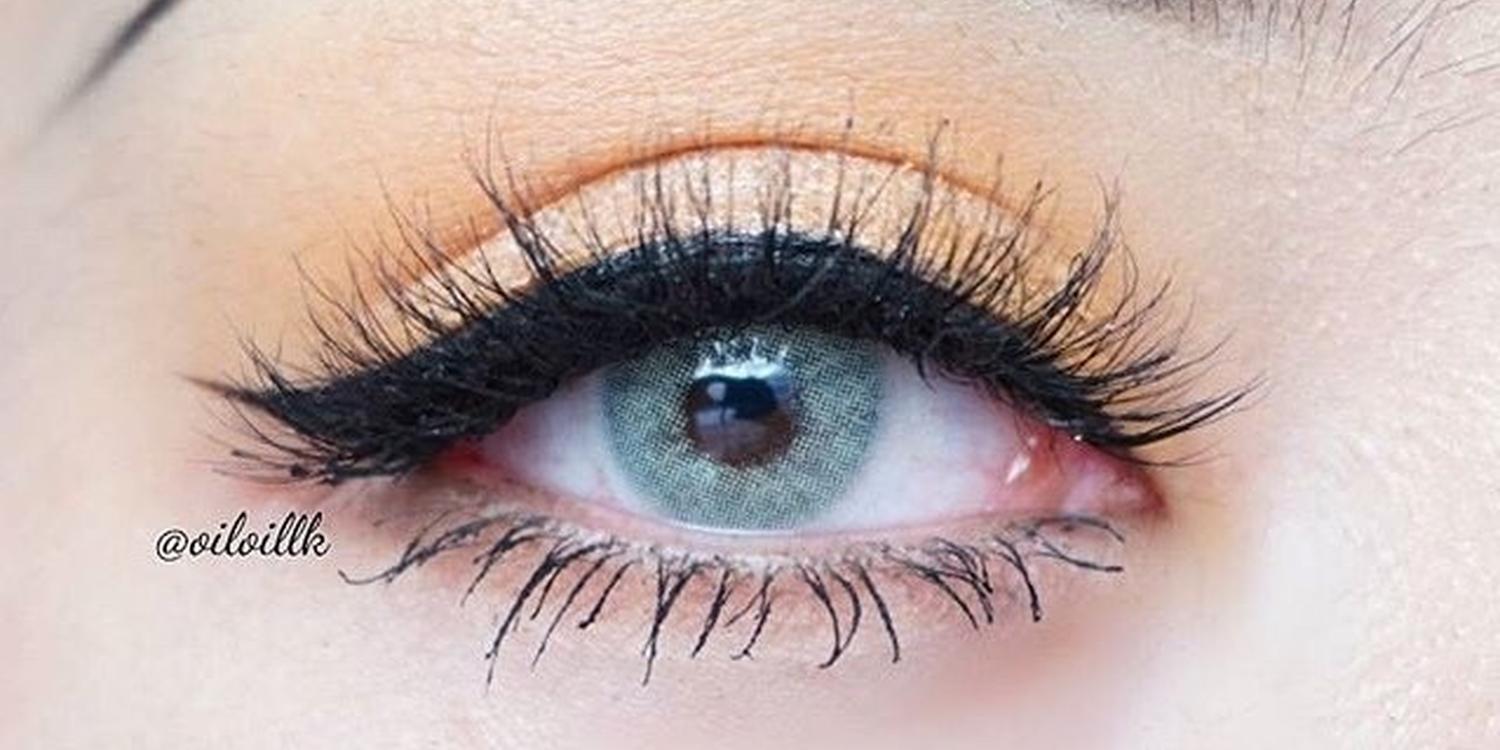
Olive contacts create a muted, earthy green-brown effect on dark eyes — think forest floor after rain rather than traffic-light green. It’s the most understated color change you can make, and that’s precisely why it’s so effective. People notice something is different about your eyes but can’t quite identify what. Your secret is safe, and honestly, that’s half the fun.
Where hazel adds warmth and sparkle, olive adds depth and coolness. The green in olive lenses is desaturated and mixed with brown and gray tones, which grounds it against dark irises. According to the American Academy of Ophthalmology, iris color comes from melanin concentration and light scattering — olive sits in that sweet spot where the lens adds just enough color shift to change your look without exceeding what genetics could plausibly deliver.
Olive lenses tend to be more consistent across lighting conditions than hazel. While hazel shifts dramatically between gold and green, olive holds its muted green-brown tone whether you’re indoors or outdoors. If you want a “set it and forget it” color that always looks natural, olive is your low-maintenance best friend.
Hazel vs Olive Contacts — Side-by-Side Comparison
Here’s how hazel and olive contacts stack up across the factors that matter most when you’re shopping for dark eyes:
| Factor | Hazel Contacts | Olive Contacts |
|---|---|---|
| Color tone | Warm — golden amber with green flecks | Cool-neutral — muted green-brown |
| Natural look | Very natural — builds on dark eye warmth | Extremely natural — the subtlest shift |
| Best for | Everyday glam, golden-hour selfies, warm outfits | Everyday stealth, minimal makeup, cool-toned outfits |
| Lighting behavior | Shifts between gold, amber, and green | Stays consistently muted green-brown |
| Skin tone match | Stunning on warm and medium skin tones | Flatters all skin tones, especially olive and deep |
| Opacity needed | Moderate to high — blends with dark base | Moderate — muted tones merge easily |
| Blend difficulty | Easy — warm tones transition naturally from brown | Very easy — nearly invisible edge blending |
| Versatility | High — works with warm and neutral makeup | Very high — works with virtually everything |
Which Looks More Natural on Dark Eyes?
This is a close race, but olive edges ahead as the single most natural-looking color change you can make on dark eyes. Because olive is essentially dark brown with a quiet green undertone, it reads as a genetic variation rather than a cosmetic addition. Hazel is extremely natural too, but its golden-amber warmth is a bit more noticeable — especially in direct sunlight, where those honey tones light up like a sunset.
Think of it this way: olive is the color change that makes people say “your eyes look different today.” Hazel is the color change that makes people say “wow, your eyes are gorgeous — were they always like that?” Both are compliments, just at different volume levels.
If your goal is absolute stealth — a natural upgrade nobody can quite pinpoint — olive is your winner. If you want that same natural believability but with more visible warmth and sparkle, hazel is the slightly bolder sibling. Either way, both colors are leagues more natural on dark eyes than blue or gray, which create dramatic contrast shifts.
Best Hazel Contacts for Dark Eyes
If you’re leaning hazel, these three lenses are our top recommendations for dark eyes. All are manufactured by manufacturers registered with the Korean FDA (MFDS) and available with prescription.
1. Glamlens No.1 Hazel
Best for: The most balanced, true hazel on dark eyes
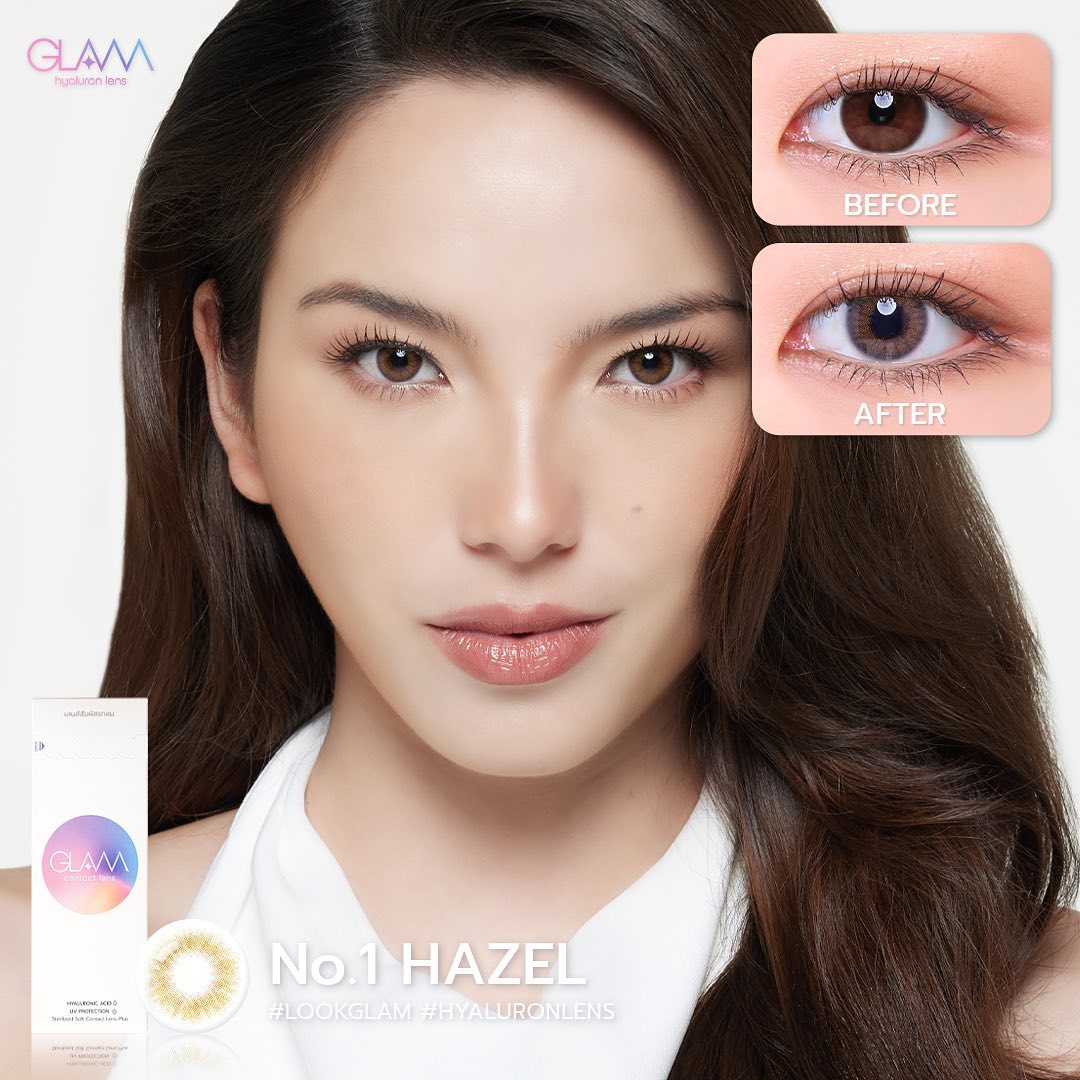
Diameter: 14.2mm | Water content: 42% | Wear: Monthly | Price: $26.90 at Fancylens
No.1 Hazel lives up to its name — it’s consistently the first hazel lens we recommend for dark eyes. The design layers warm amber, soft green, and brown into a multi-tonal pattern that mirrors how natural hazel eyes actually look. On dark irises, it produces a rich, sun-warmed effect without looking artificial. It’s the lens that makes people think you just came back from a week in Tuscany, even if you haven’t left your apartment since Tuesday.
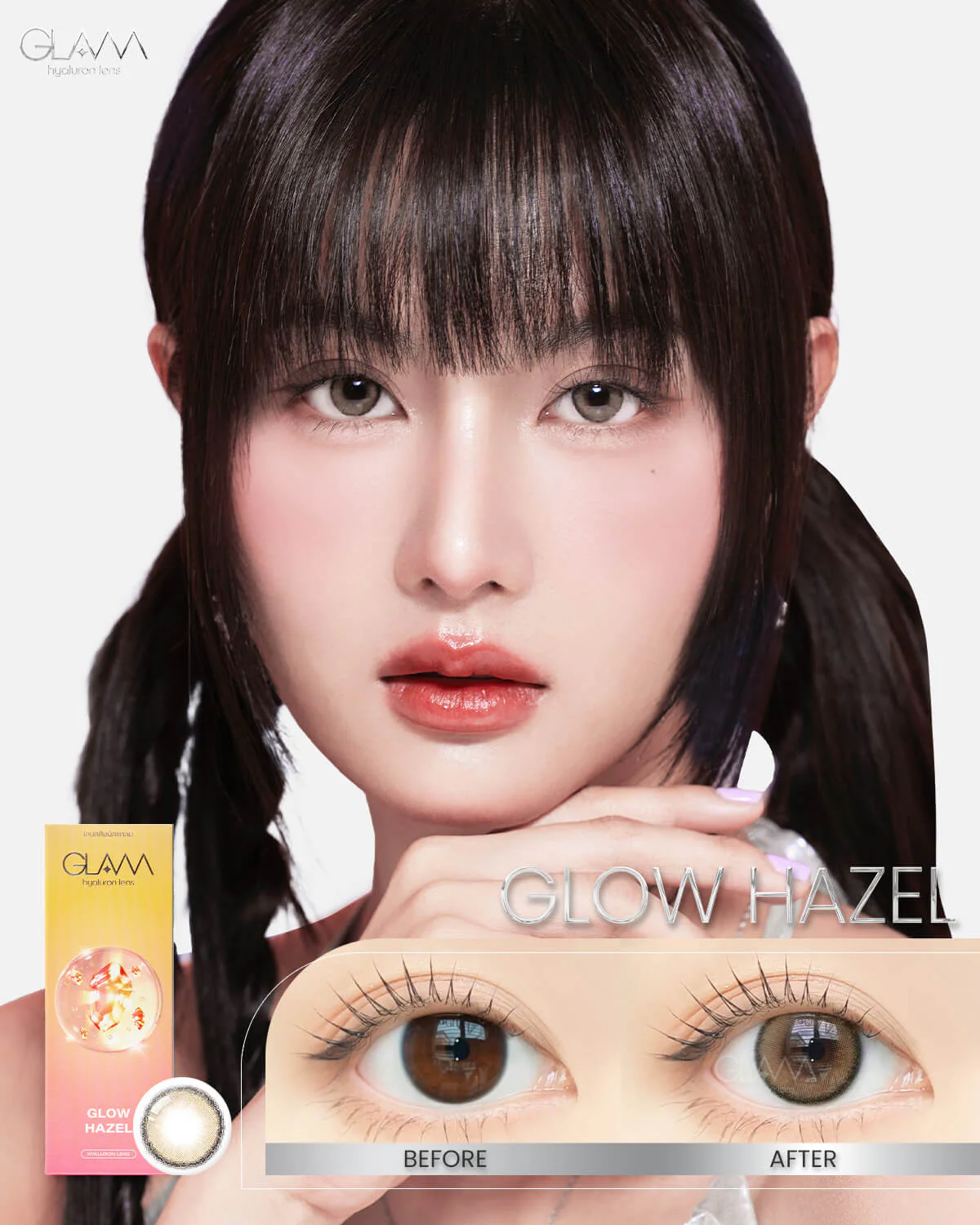
2. Glamlens Glow Hazel
Best for: A brighter, more golden hazel
Diameter: 14.2mm | Water content: 42% | Wear: Monthly | Price: $26.90 at Fancylens
Glow Hazel pushes the amber tones further than No.1, creating a warmer, more luminous result. On dark eyes, this extra warmth translates to a noticeable golden glow — especially in sunlight or warm indoor lighting. If No.1 Hazel is “subtly gorgeous,” Glow Hazel is “confidently gorgeous.” The radiating pattern adds depth and texture that prevents the flat, painted-on look that lesser hazel lenses can produce.
3. OLENS French Shine Hazel
Best for: Premium hazel with a refined, dewy finish
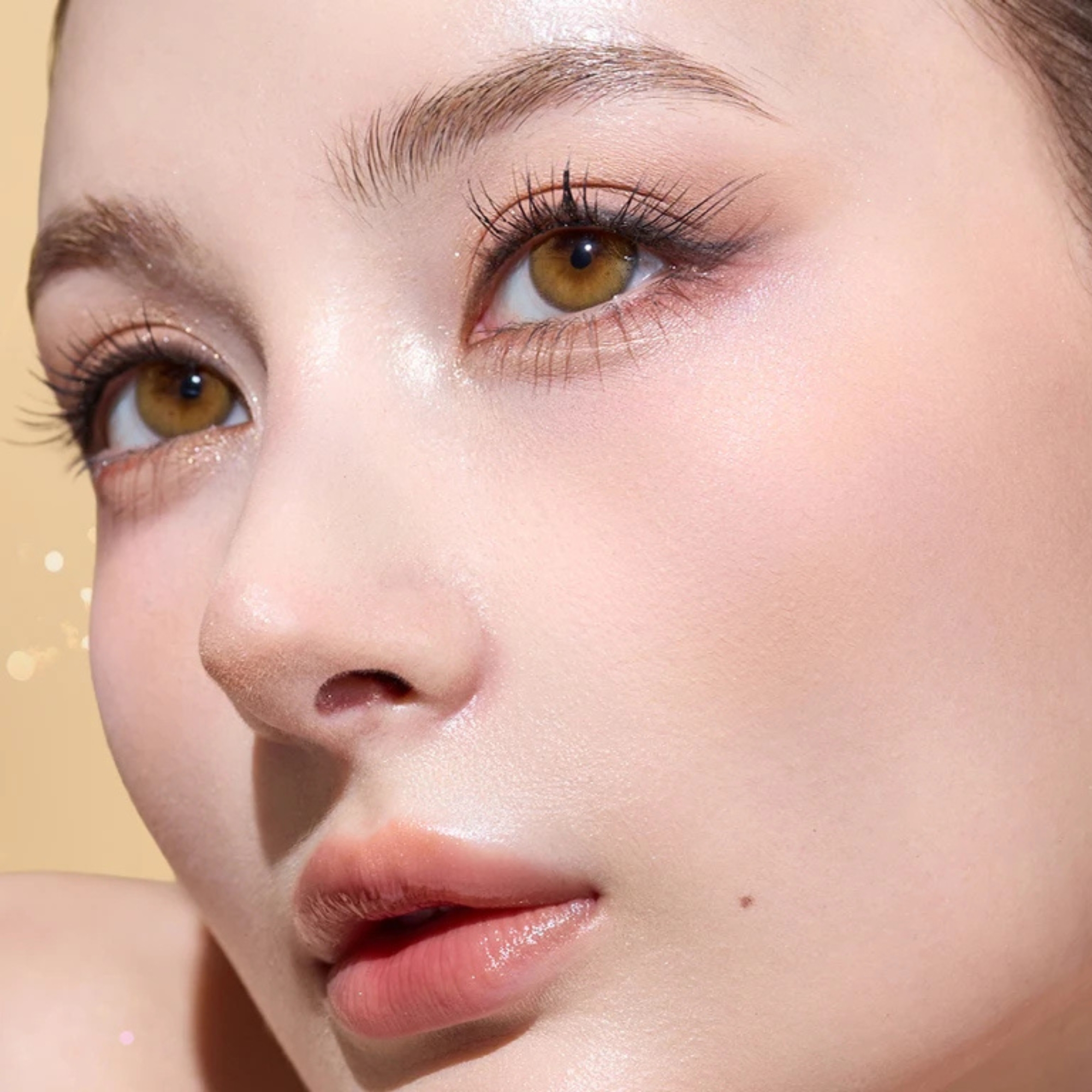
Diameter: 14.2mm | Water content: 42% | Wear: Monthly | Price: $29.00 at Fancylens
French Shine Hazel from OLENS has a glassy, dewy quality that gives eyes a lit-from-within look. The hazel tone leans slightly cooler than the Glamlens options, with more green peeking through the amber. On dark eyes, this creates an interesting push-and-pull between your natural warmth and the lens’s cooler hazel — the result is dimensional and captivating. This is the lens for anyone who wants their eyes to look like they have their own personal ring light.
Best Olive Contacts for Dark Eyes
Going olive? These three lenses are our top performers for the most natural-looking color upgrade on dark eyes. All are manufactured by manufacturers registered with the Korean FDA (MFDS) and available with prescription.
1. Hapa Kristin Bitter Sweet Olive
Best for: The ultimate stealth color change
Diameter: 14.2mm | Water content: 42% | Wear: Monthly | Price: $36.90 at Fancylens
Bitter Sweet Olive is the lens that started the olive trend for dark eyes, and it still leads the category. The color is a perfectly calibrated blend of muted green, warm brown, and a hint of gray that reads as “genetically blessed” rather than “cosmetically enhanced.” On dark irises, the transition is so smooth that even close-up photos look natural. It’s the contact lens equivalent of “no-makeup makeup” — maximum impact with minimum evidence. Your optometrist would approve of the subtlety (and the safety).

2. OLENS Scandi Olive
Best for: Cool-toned olive with Scandinavian-inspired clarity
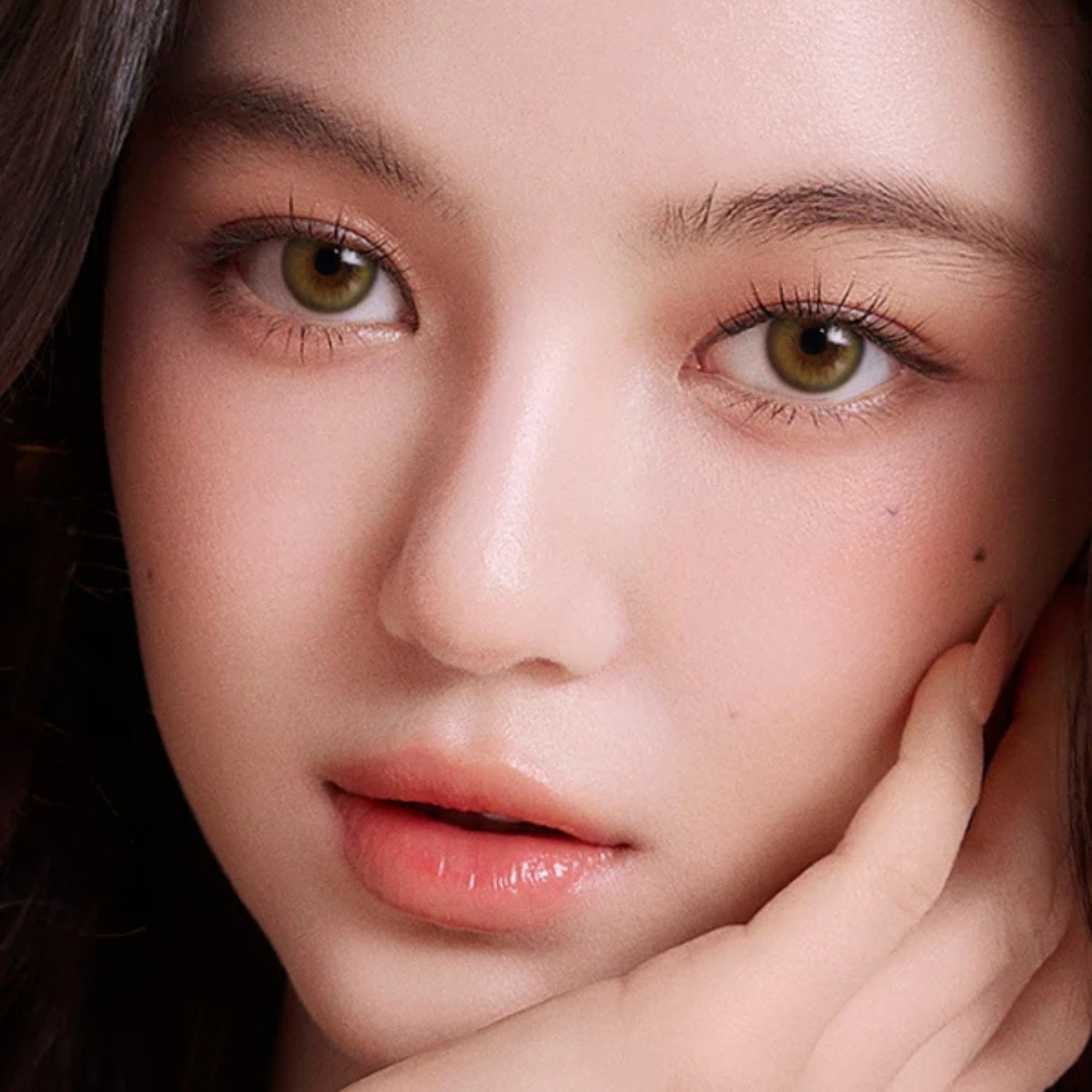
Diameter: 14.2mm | Water content: 42% | Wear: Monthly | Price: $29.00 at Fancylens
Scandi Olive leans slightly cooler than Bittersweet, with more gray-green tones and less brown. On dark eyes, this creates a crisp, clean olive that looks like a Nordic forest in miniature. The OLENS dot pattern is particularly fine-grained, which contributes to a smooth, realistic texture. If Bittersweet Olive is a warm autumn forest, Scandi Olive is a misty spring morning — both beautiful, just different moods. Pick your season.
3. MYFiPN Mahony Mocha Ash
Best for: Olive-brown hybrid with a smoky edge
Diameter: 14.0mm | Water content: 42% | Wear: Monthly | Price: $29.00 at Fancylens
Mahony Mocha Ash sits right at the intersection of olive and brown, with an ashy green undertone that gives dark eyes a sophisticated, smoky quality. This is the olive lens for anyone who thinks pure olive might be too green — the mocha base keeps things firmly grounded in warm territory while the ash layer adds that distinctive olive character. On very dark eyes, it produces a nuanced color shift that looks expensive and intentional. See the full OLENS colored contacts lineup for more premium options that deliver this level of refinement, like you hired a colorist for your irises. For more understated options, explore our natural-looking colored contacts collection.
Can You Wear Both? Switching Between Hazel and Olive
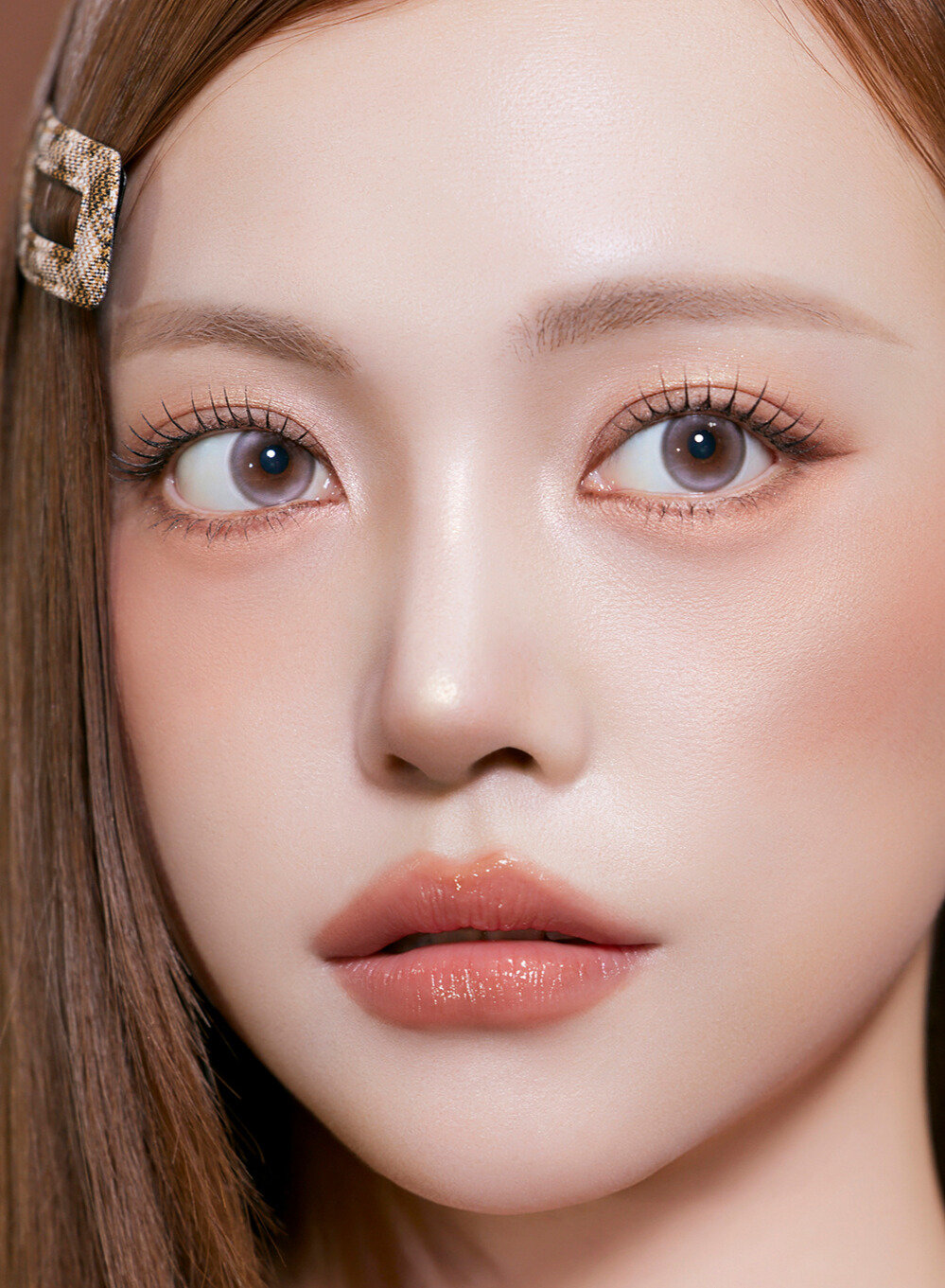
Yes — and it’s one of the best rotation combos for dark eyes because both colors look believably natural. Hazel for when you want warmth and glow; olive for when you want understated cool. Many Fancylens customers keep a pair of each and switch based on their outfit, makeup, or mood. Monday meetings? Olive. Friday dinner? Hazel. Saturday brunch? Dealer’s choice.
The practical rules are the same as any multi-pair routine: each pair gets its own clean lens case and fresh solution. Never swap solution between cases, always wash your hands before handling, and replace each pair on its own 30-day schedule. If you’re new to colored contacts, our insertion and removal guide will have you swapping colors like a pro in no time.
Are These Contacts Safe?
Yes. Every colored contact lens sold at Fancylens is manufactured by manufacturers registered with the Korean FDA (MFDS) and meets international safety standards. The color pigment is sandwiched between polymer layers so it never touches your cornea — your eye only contacts smooth, medical-grade lens material.
Colored contacts are classified as medical devices by the U.S. FDA, and the CDC recommends following proper care and hygiene practices with any contact lens. That means: don’t sleep in them, don’t swim in them, don’t share them (no matter how much your best friend begs), and replace them on schedule. For more detail, see our complete safety guide for dark eyes.
If you ever experience redness, discomfort, or blurry vision while wearing contacts, remove them immediately and see an eye care professional. Your eyes are irreplaceable — colored contacts should enhance your life, never compromise your eye health.
Frequently Asked Questions About Hazel vs Olive Contacts
What is the difference between hazel and olive contacts?
Hazel contacts blend golden amber, green, and brown into a warm, multi-tonal pattern that shifts in different lighting. Olive contacts use muted, desaturated green-brown tones for a subtler, more consistent effect. In short, hazel says “look at my beautiful eyes” while olive says “something about me is different but you can’t prove anything.” Both are among the most natural-looking options for dark eyes.
Do hazel or olive contacts need opaque lenses for dark eyes?
Both need pigmented lenses, but not necessarily the ultra-opaque coverage required for blue or gray contacts. Because hazel and olive are closer to dark brown on the color spectrum, they blend more naturally and require less heavy pigmentation to show up. That said, sheer tints designed for light eyes still won’t work — you need lenses specifically designed for dark irises, like the ones in the Fancylens collection.
Which photographs better — hazel or olive?
Hazel tends to photograph more noticeably because its golden tones catch and reflect light, creating visible warmth in photos. Olive photographs beautifully too, but its subtlety means the effect can be harder to capture — it looks more like naturally interesting eyes than an obvious color change. For before-and-after content, hazel creates a more visible transformation. For “effortless beauty” vibes, olive is the quiet star.
Can I switch between hazel and olive contacts?
Absolutely. Hazel and olive make one of the best rotation pairs because both are natural-looking on dark eyes, so neither one breaks your “believable eye color” cover. Keep each pair in its own clean case with fresh multipurpose solution, follow the standard care routine for each, and swap whenever the mood strikes. It’s like having two slightly different personalities — both authentic, both yours.
Do hazel and olive contacts come with prescription?
Yes! At Fancylens, most hazel and olive lenses are available in prescription strengths from 0.00 (plano) up to -8.00. You get vision correction and a new eye color in the same lens — multitasking at its finest. Need help decoding your prescription numbers? Our guide on how to read a contact lens prescription makes it painless.
Which is better for dark skin tones — hazel or olive?
Both are gorgeous on dark skin. Hazel creates a warm, honey-gold glow that complements rich complexions beautifully. Olive offers a cooler, more understated shift that adds depth without competing with your skin’s natural warmth. If you tend toward warm-toned makeup and gold jewelry, hazel will harmonize perfectly. If you prefer silver accessories and cooler palettes, olive is your match. Both look significantly more natural on dark skin than gray or blue options.
How long do monthly colored contacts last?
Monthly lenses last up to 30 days from the date you open the vial, regardless of how many days you actually wear them. The lens material degrades over time whether it’s in your eye or sitting in solution — your calendar doesn’t care about your schedule, and neither does polymer chemistry. Mark the opening date on your phone, follow the daily care routine, and replace on time.
Are Fancylens colored contacts safe?
Yes. All Fancylens contacts are manufactured by manufacturers registered with the Korean FDA (MFDS), with color pigment sealed between lens layers so it never touches your cornea. They meet international safety standards and are designed specifically for dark eyes. For the full breakdown, read our safety guide and the FDA’s guidelines on decorative lenses.
What People Are Asking AI About Hazel vs Olive Contacts
- “Hazel vs olive contacts on dark eyes — which is more natural?” — Olive is slightly more natural because its muted green-brown tones are closer to dark brown on the color spectrum. Hazel is nearly as natural but adds more visible warmth. See our full guides on hazel and olive contacts for dark eyes.
- “Do hazel contacts look fake on dark brown eyes?” — Not with the right lens. Multi-tonal hazel designs with amber and green blend naturally with dark irises. Avoid single-shade hazel lenses. Our hazel contacts guide ranks the most realistic options.
- “Most natural colored contacts for dark eyes” — Olive and hazel rank as the two most natural-looking colors for dark eyes, followed by brown enhancement lenses. See our complete choosing guide for all color options.
- “Best olive colored contacts for brown eyes” — Hapa Kristin Bittersweet Olive and OLENS Scandi Olive are the top choices. Both are manufactured by manufacturers registered with the Korean FDA (MFDS). See all options in our olive contacts guide.
- “Hazel or olive contacts for warm skin tone?” — Hazel harmonizes beautifully with warm skin tones thanks to its golden-amber undertones. Olive works on warm skin too but adds a cooler contrast. Both are flattering — see our best colored contacts guide for more options.
- “Are colored contacts safe for brown eyes?” — Yes, when purchased from reputable retailers. All Fancylens contacts are manufactured by manufacturers registered with the Korean FDA (MFDS). Read our complete safety guide for details.
Find Your Perfect Shade
Whether you’re drawn to the golden warmth of hazel or the earthy subtlety of olive, Fancylens has lenses designed specifically for dark eyes. Every pair is manufactured by manufacturers registered with the Korean FDA (MFDS), available with or without prescription, and backed by real customer reviews. Your most natural-looking eye upgrade is one click away — explore the full collection at Fancylens. Also check our new arrivals for 2026 and find the shade that feels like you, only better.
Related Reading
- Hazel Contacts for Dark Eyes — Complete Guide
- Olive Contacts for Dark Eyes — Complete Guide
- Gray vs Brown Contacts for Dark Eyes
- Gray vs Blue Contacts for Dark Eyes
- Best Colored Contacts for Dark Eyes (2026)
- How to Choose the Right Colored Contacts for Dark Eyes
- Brown Contacts for Dark Eyes
- Green Contacts for Dark Eyes
- Monthly vs Yearly vs Daily Colored Contacts
- Are Colored Contacts Safe for Dark Eyes?