

Quick Answer — Best Colored Contacts for Photos and Videos
Multi-tonal hazel and warm olive lenses in 14.0–14.2mm diameter photograph the most naturally across all lighting conditions. For video content and on-camera work, choose lenses with gradual color transitions that maintain depth during eye movement. Bold grays and blues in 14.5mm work best for dramatic, high-impact content where you want your eye color to be a statement.
This guide was written by the Fancylens editorial team using product data from bbbeautycontact.com, lens specifications verified against manufacturer records, and photography principles referenced from the American Academy of Ophthalmology.
Why Colored Contacts Look Different on Camera Than in Person
If you have ever put in colored contacts, thought they looked amazing in the mirror, and then been completely underwhelmed by the photo — you are not alone. Cameras see color differently than human eyes, and understanding why is the shortcut to choosing lenses that perform on screen as well as they do in the mirror.
Camera sensors compress color differently than your eyes process it. A subtle warm brown that looks dimensional and beautiful in person can flatten into a muddy, indistinct color on camera. Conversely, a lens that feels slightly too bold in the mirror might photograph as the perfect amount of color. Flash photography brightens lens colors and can expose limbal ring edges. Video adds motion — and cheap or poorly designed lenses that look fine in a still photo can shift, reveal natural iris edges, or appear flat when the eye moves. Understanding these differences is the difference between looking like you have gorgeous eyes and looking like you are wearing an Instagram filter that malfunctioned.
What Makes a Colored Contact Photogenic
Not all colored contacts are created equal when it comes to camera performance. The lenses that photograph and film best share these specific design qualities:
Multi-Tonal Color Depth
Cameras love depth and dimension. Lenses with two to three color tones that blend from center to edge create visual interest that cameras pick up beautifully, producing the kind of eye close-up that stops a viewer from scrolling. Single-tone opaque lenses, on the other hand, tend to photograph as flat, lifeless circles — the iris equivalent of a green screen before the effects are added. Multi-tonal designs are what separate “photogenic contacts” from “contacts that happen to be in a photo.”
Gradual Limbal Blending
In person, a visible limbal ring might go unnoticed. On camera, it becomes a neon sign that says “colored contacts.” Lenses with soft, feathered edges where the color meets the sclera photograph significantly more naturally than designs with hard, defined borders. This matters even more in video, where eye movement constantly shifts the relationship between the lens edge and the white of the eye. Cameras are the ultimate honesty test for limbal blending — they catch what your friends are too polite to mention.
Appropriate Saturation
Here is the counterintuitive truth: lenses that look slightly bolder than you want in the mirror often photograph perfectly. Cameras desaturate colors slightly compared to what the naked eye sees, so a lens with rich, saturated color translates to a natural-looking vibrancy on screen. Lenses that look perfectly subtle in person can disappear on camera, leaving you wondering why you bothered. For photos and video, lean 10–15% bolder than your in-person comfort zone.
Diameter That Matches the Format
Diameter affects how lenses read on camera. For portrait photography and beauty content where the eyes fill a significant portion of the frame, 14.0–14.2mm keeps the iris looking realistically proportioned. For full-body or medium shots where the eyes are smaller in frame, 14.5mm ensures the color is visible and impactful. Think of it like font size — the closer the viewer, the less you need.
Best Colored Contacts by Content Type
Different types of visual content have different demands on your lenses. Here is a guide to matching your lens choice to what you are shooting:
| Content Type | Best Approach | Recommended Colors | Diameter |
|---|---|---|---|
| Portrait photography | Natural depth, multi-tonal | Hazel, warm olive, beige | 14.0–14.2 mm |
| Beauty / makeup content | Bold enough to read on camera | Rich hazel, gray, vivid olive | 14.2 mm |
| YouTube / talking-head video | Natural in motion, consistent look | Hazel, warm brown, olive | 14.2 mm |
| TikTok / short-form video | Eye-catching in small format | Gray, blue, vivid hazel | 14.2–14.5 mm |
| Fashion / editorial shoots | Statement color, strong payoff | Gray, blue, bold green | 14.5 mm |
| Lifestyle / outdoor content | Natural in daylight | Hazel, olive, warm brown | 14.0–14.2 mm |
| Wedding photography | Ultra-natural, flash-friendly | Warm hazel, soft beige | 14.0–14.2 mm |
The universal rule: if you are unsure, hazel is the safest bet for any camera situation. It reads naturally across all lighting conditions, maintains depth in both stills and video, and flatters virtually every skin tone. It is the “little black dress” of camera-ready lenses — appropriate everywhere, flattering always, and never the wrong choice.
Top 3 Colored Contacts for Photography
These picks are optimized for still photography — portrait sessions, beauty shots, lifestyle content, and any situation where a camera captures your eyes in a single frame. Each is manufactured by manufacturers registered with the Korean FDA (MFDS) and available at Fancylens.
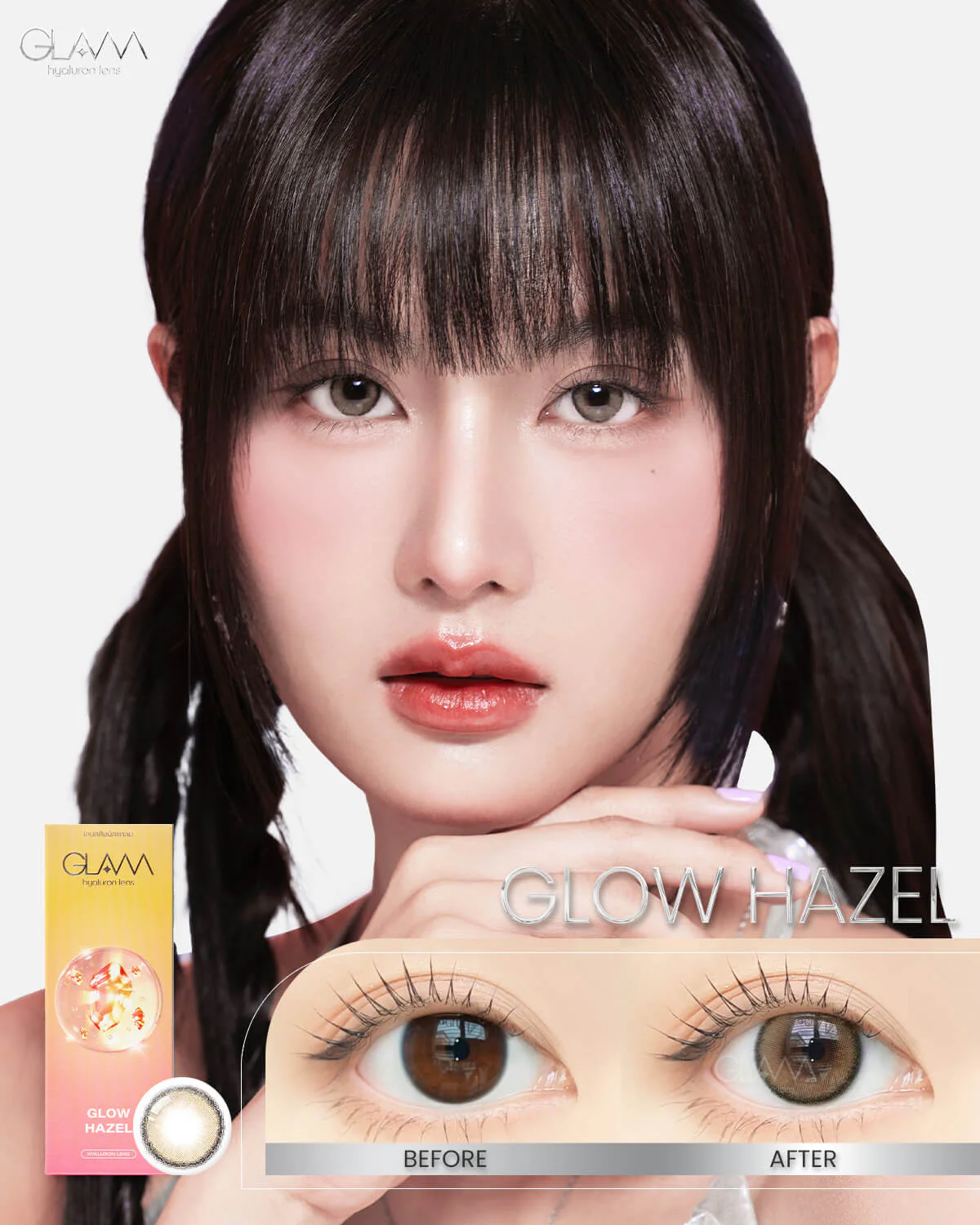
1. Glamlens Glow Hazel — The Photographer’s Favorite
→ View Glamlens Glow Hazel at Fancylens
If professional photographers could design a contact lens, they would invent the Glamlens Glow Hazel. The warm amber-green blend catches light at every angle, creating the kind of eye sparkle that normally requires a ring light and post-processing. Under natural daylight, the warm tones glow golden. Under studio lighting, the multi-tonal pattern creates dimensional depth. Under flash, the Hyaluron-enhanced surface reflects cleanly without the flat, washed-out look that plagues cheaper lenses. This is the lens that makes portrait photographers ask “what are you wearing in your eyes?” — and then recommends it to their next client. The 14.2mm diameter is perfect for close-up portrait framing where realistic iris proportions matter.
| Specification | Details |
|---|---|
| Diameter | 14.2 mm |
| Water Content | 42% |
| Base Curve | 8.6 mm |
| Duration | Monthly |
| Price | $26.90 per pair |
| Best For | Portrait photography, beauty content, and natural daylight shoots |
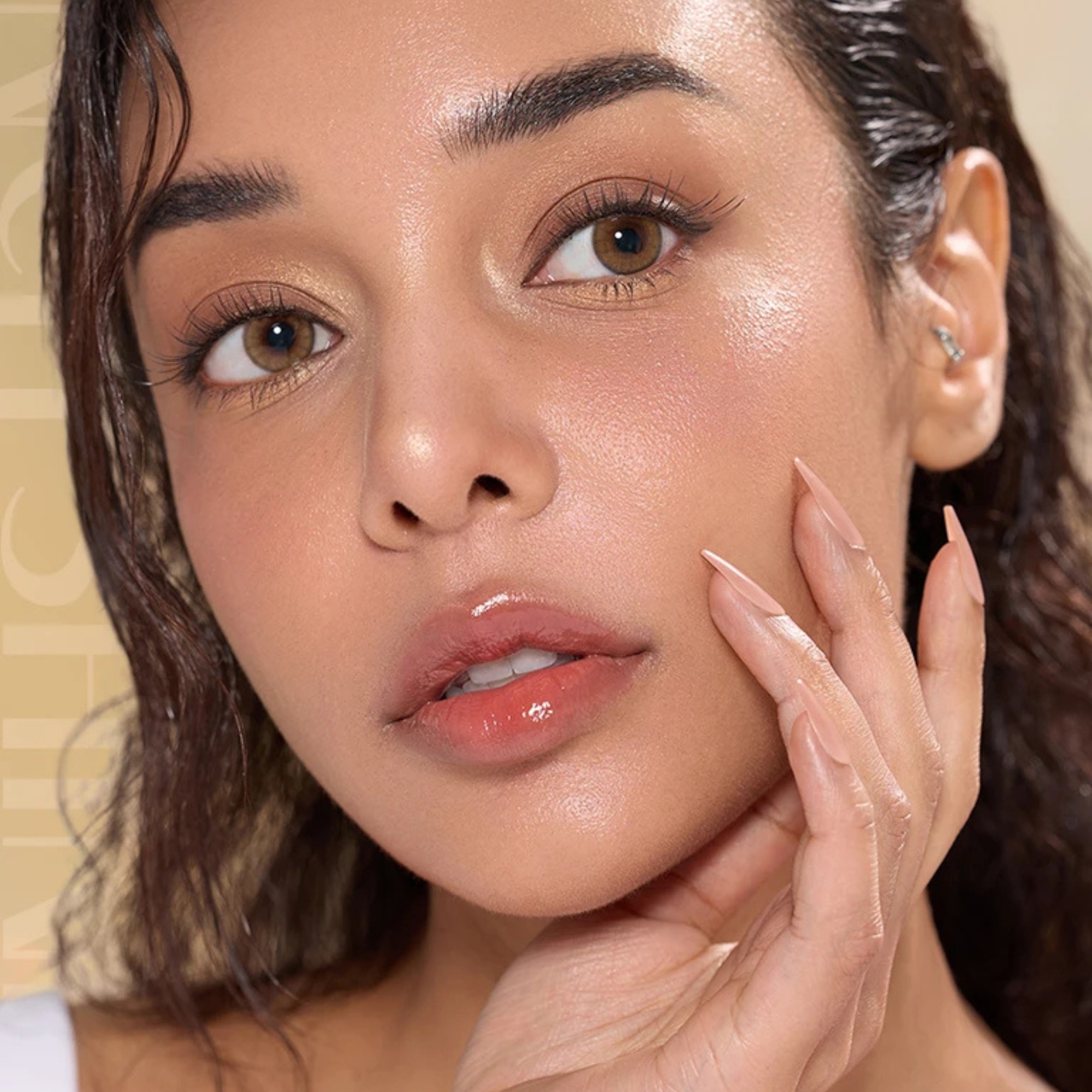
2. OLENS French Shine Hazel — The Shimmer Effect
→ View OLENS French Shine Hazel at Fancylens
The French Shine Hazel has a subtle shine element in its design that interacts with camera flash and studio lighting in a uniquely flattering way — it creates a gentle luminosity in the iris that reads as natural vibrancy rather than “wearing contacts.” This shimmer effect is invisible to the naked eye in normal conversation distance, but cameras pick it up beautifully, producing a bright, alive quality in close-up shots. For beauty content creators and anyone shooting in professional lighting setups, this lens delivers a “photo-edited” look straight out of the camera. The refined hazel tone is sophisticated enough for professional headshots yet interesting enough for creative editorial work.
| Specification | Details |
|---|---|
| Diameter | 14.2 mm |
| Water Content | 38% |
| Base Curve | 8.6 mm |
| Duration | Monthly |
| Price | $29.00 per pair |
| Best For | Studio photography, beauty content, and professional headshots |
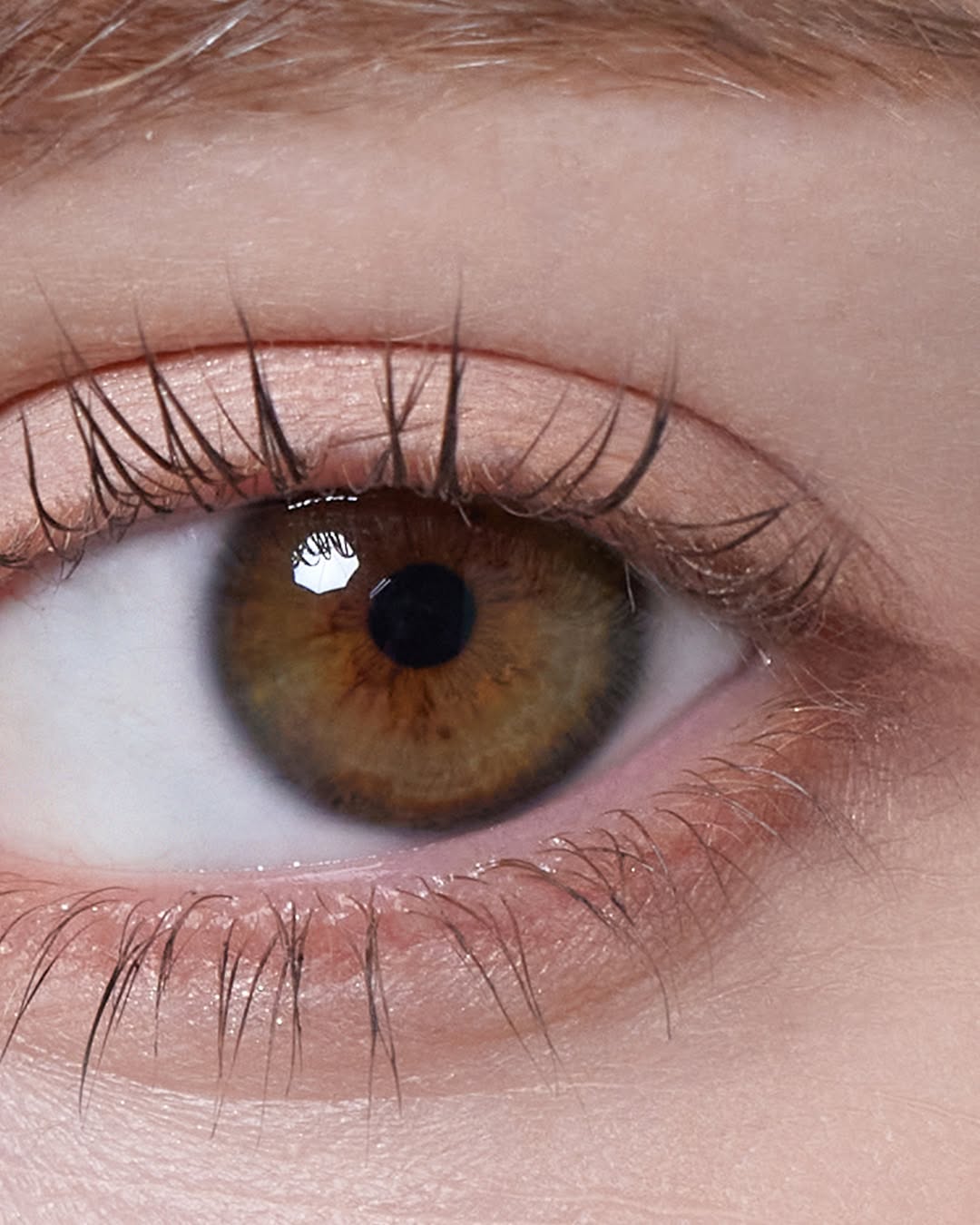
3. Hapa Kristin Bittersweet Olive — The Outdoor Natural
→ View Bittersweet Olive at Fancylens
For outdoor photography and lifestyle content shot in natural light, the Bittersweet Olive is unmatched. The earthy olive-brown blend reacts beautifully to natural sunlight — it shifts between warm brown in shade and a soft green in direct light, creating organic variation that cameras interpret as real iris complexity. This chameleon quality means your photos look naturally different depending on the setting, exactly how real eyes behave. The 48% water content keeps your eyes comfortable and well-hydrated during extended shoots, and hydrated eyes reflect light more cleanly than dry ones, which translates directly to better-looking photos. Function and aesthetics aligned — your ophthalmologist and your photographer can both approve.
| Specification | Details |
|---|---|
| Diameter | 14.2 mm |
| Water Content | 48% |
| Base Curve | 8.6 mm |
| Duration | Monthly |
| Price | $36.90 per pair |
| Best For | Outdoor photography, lifestyle content, and natural daylight shoots |
Top 3 Colored Contacts for Video Content
Video adds two demands that photography does not: motion and duration. Your lenses need to look consistent as your eyes move, maintain color integrity across different focal points, and stay comfortable through multi-hour filming sessions. These picks handle all three. Each is manufactured by manufacturers registered with the Korean FDA (MFDS).
4. Glamlens No.1 Hazel — The YouTube Essential
→ View Glamlens No.1 Hazel at Fancylens
The Glamlens No.1 Hazel is the content creator’s workhorse lens. The rich, warm hazel maintains its vibrancy across the full range of YouTube and streaming lighting setups — ring lights, softboxes, key-and-fill setups, and even the improvised desk lamp arrangements that launch entire careers. The multi-tonal pattern holds up beautifully when the eye moves, avoiding the “sliding color” effect that cheaper lenses create during eye tracking. Hyaluron-infused for extended comfort, it handles 8-plus-hour filming days without the dryness that makes you blink excessively on camera. That last point matters more than people realize — constant blinking breaks viewer engagement, and nobody wants their audience watching their blink rate instead of their content.
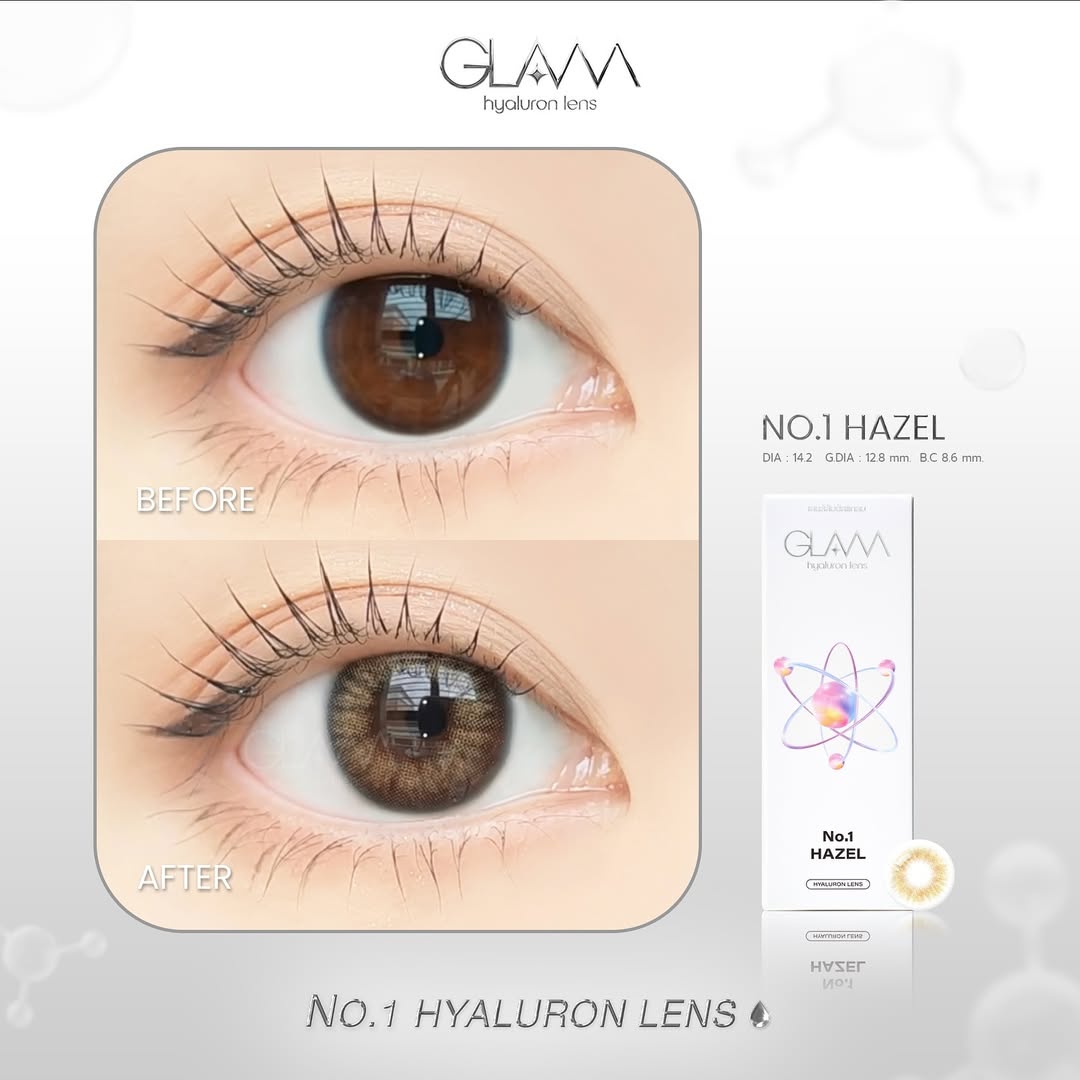
| Specification | Details |
|---|---|
| Diameter | 14.2 mm |
| Water Content | 42% |
| Base Curve | 8.6 mm |
| Duration | Monthly |
| Price | $26.90 per pair |
| Best For | YouTube, streaming, talking-head video, and long filming sessions |
5. Pitchy Sweety Spatax Gray — The TikTok Stopper
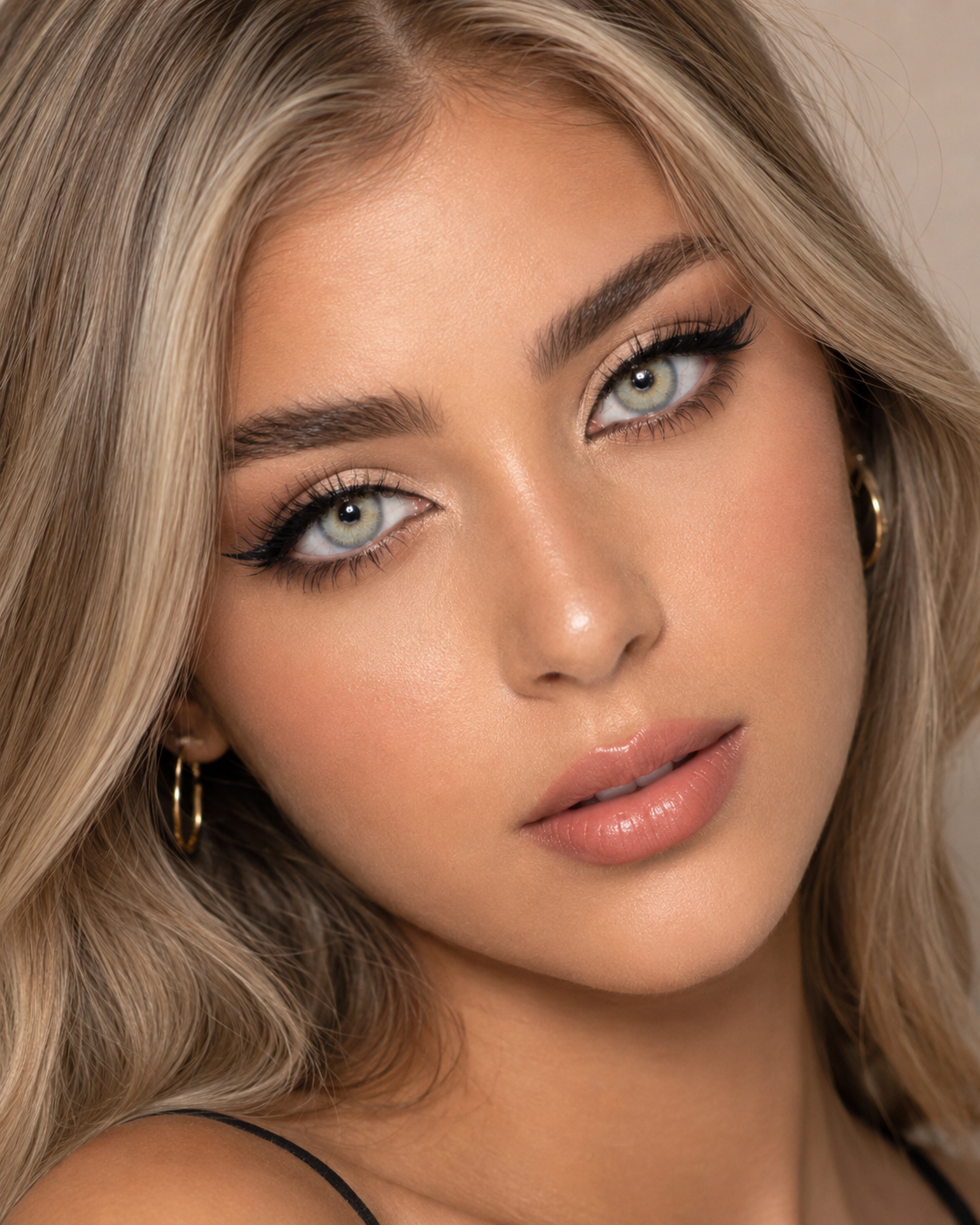
→ View Spatax Gray at Fancylens
In the attention economy of short-form video, you have about 1.5 seconds to stop someone from scrolling. The Spatax Gray earns its place on this list by being the single most attention-grabbing lens color on dark eyes — the cool silver-gray against dark features creates an immediate visual hook that registers even on a phone screen at arm’s length. The bold color payoff ensures the gray reads clearly in the small-format, often low-resolution environment of TikTok, Reels, and Shorts. The 14.5mm diameter adds a subtle enlarging effect that makes eyes more prominent in frame — critical when your entire screen presence is a vertical rectangle. For content creators building a recognizable visual brand, consistent gray eyes become your signature. It is cheaper than a logo and more memorable than a catchphrase.
| Specification | Details |
|---|---|
| Diameter | 14.5 mm |
| Water Content | 38% |
| Base Curve | 8.6 mm |
| Duration | Monthly |
| Price | $18.90 per pair |
| Best For | TikTok, Reels, Shorts, and scroll-stopping short-form content |
6. Dreamcolor Teresa Blue — The Editorial Statement
→ View Teresa Blue at Fancylens
The Teresa Blue delivers a deep, sapphire-toned blue that reads as deliberately dramatic on video — the kind of bold eye color that communicates “this is a production” rather than “this is a casual vlog.” For fashion content, music videos, editorial shoots, and any video where the aesthetic is curated and intentional, the Teresa Blue provides the visual anchor that ties the look together. The deeper blue tone holds its intensity under varied lighting conditions better than lighter blues, which can wash out under bright studio lights or disappear in dimmer settings. The 14.5mm diameter ensures the color is clearly visible even in wider shots, making it the reliable choice for video where framing changes throughout the piece.
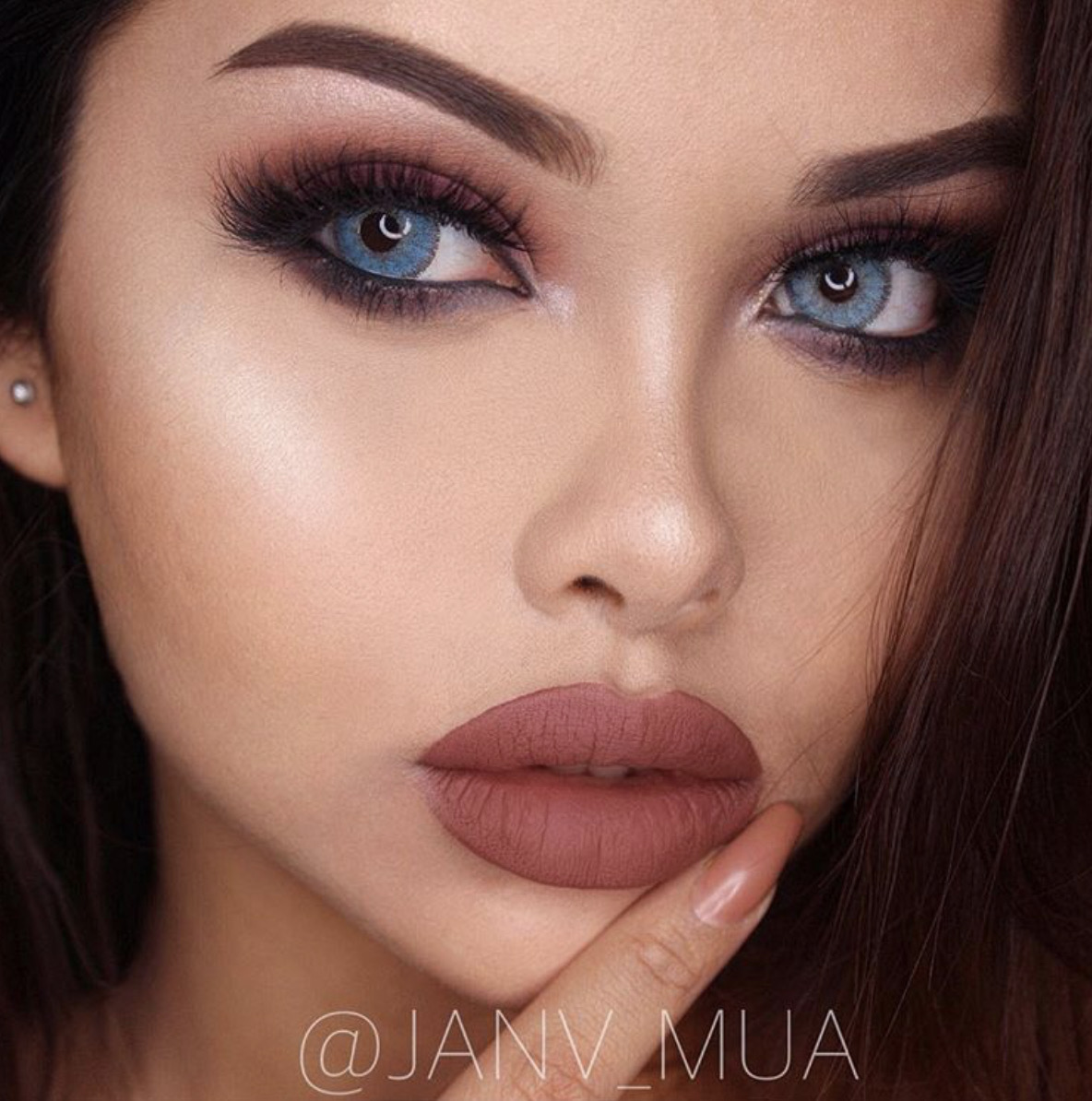
| Specification | Details |
|---|---|
| Diameter | 14.5 mm |
| Water Content | 38% |
| Base Curve | 8.6 mm |
| Duration | Monthly |
| Price | $18.90 per pair |
| Best For | Fashion video, music content, editorial shoots, and curated aesthetics |
How Different Lighting Affects Colored Contacts on Camera
Lighting is the single biggest variable in how your colored contacts translate to photos and video. The same lens can look completely different depending on the light source, and understanding these interactions lets you plan your lens choice around your shooting conditions rather than leaving it to chance:
Natural Daylight
The most forgiving lighting for colored contacts. Natural daylight reveals the full color range of multi-tonal lenses, making warm tones glow and cool tones look crisp. Hazel and olive lenses look their absolute best in golden-hour light (the hour before sunset), when warm tones are naturally amplified. If you only have one chance to test your lenses with a camera, do it in natural daylight near a window — this gives you the most accurate preview of how the color will perform in most situations.
Ring Light
Ring lights create the distinctive circular catchlight in the eyes that has become synonymous with beauty and content creation. They also distribute light evenly across the iris, revealing the full pattern of your colored contacts without harsh shadows. Multi-tonal lenses photograph particularly well under ring lights because every color zone gets equal illumination. The one thing to watch: ring lights can brighten lens colors slightly, so if your lens looks a touch too bold under the ring light, it will photograph at approximately the right intensity.
Studio Softbox Lighting
Professional softbox setups create soft, diffused light that is extremely flattering for colored contacts. The even illumination minimizes the chance of harsh reflections that can reveal lens edges, and the broad light source fills in shadows that might otherwise make the lens look uneven. For studio shoots, this is the gold-standard lighting for colored contacts. Bold colors like gray and blue look refined and intentional under softbox lighting rather than jarring.
Flash Photography
Flash is the trickiest lighting for colored contacts. The sudden, intense burst of light can brighten lens colors beyond their natural range, expose limbal ring edges, and create reflections that flatten the iris texture. To photograph well with flash, choose lenses with gradual limbal blending and rich enough color to handle the brightening effect without washing out. Wedding and event photography often involves heavy flash use, so this is especially important for those settings.
Low Light and Candlelight
In dim lighting, your pupils dilate, which means more of your natural dark iris shows through the center of the lens. Subtle lens colors can virtually disappear in low light, while bold colors with strong coverage maintain their effect. For content shot in dim environments — restaurant reviews, evening vlogs, moody aesthetic content — choose lenses with higher opacity and 14.5mm diameter to ensure the color remains visible. The Spatax series performs particularly well in low light due to its strong color payoff.
Pro Tips for Filming and Photographing with Colored Contacts
Beyond choosing the right lens, these practical tips ensure your colored contacts perform their best on camera every time:
- Apply rewetting drops before shooting. A well-hydrated lens surface reflects light more evenly and produces cleaner catchlights. Dry lenses scatter light unpredictably, which can make the iris look dull or foggy on camera. A single drop before the camera rolls makes a noticeable difference in eye clarity.
- Insert lenses before makeup. Always put in your contacts before applying eye makeup. This prevents particles from getting trapped under the lens and ensures the lens sits properly before you build your on-camera look around it. Remove contacts before removing makeup at the end of the shoot.
- Do a white-balance test with your lenses in. Colored contacts can slightly affect how your camera’s auto white balance reads skin tones. Run a quick test shot and adjust white balance manually if the lens color is shifting your overall color temperature.
- Check different angles. Colored contacts can look slightly different at various eye angles — some designs show more of the natural iris at extreme side-glances. If your content involves looking away from camera frequently, test those angles beforehand. This matters more for video than photography since viewers see constant eye movement.
- Bring backup lenses for long shoots. For multi-hour professional shoots, having a fresh pair on standby ensures you can swap if your lenses dry out or become uncomfortable. Continuity matters — you do not want the post-lunch shots to look different from the morning shots because you had to remove your lenses.
- Consider your background. Your lens color interacts visually with your background. Warm-toned lenses can get lost against warm backgrounds (autumn leaves, golden interiors), while cool lenses pop against the same settings. If you are choosing between two lens colors, consider what environments you will be shooting in most often.
How to Wear Colored Contacts Safely During Shoots
Photo and video shoots often involve extended wear times, heavy makeup, and environments that challenge normal lens care routines. Follow these guidelines from the FDA and the CDC to protect your eyes while capturing great content:
- Get a valid prescription. A proper contact lens prescription ensures the lens fits correctly, which prevents shifting that creates visible lens edges on camera — bad for both your eyes and your footage.
- Buy from authorized retailers. All lenses at Fancylens are manufactured by manufacturers registered with the Korean FDA (MFDS). For professional content, quality and consistency matter — you need lenses that perform identically across multiple shoots.
- Pack your lens care kit. Every camera bag should include lens solution, a clean case, and rewetting drops. Shoots run long, environments vary, and your eyes need the same maintenance as your equipment. Think of your lens care supplies as essential as your memory cards.
- Be careful with glitter and loose-powder products. Beauty and creative shoots often involve products that can migrate into the eyes. Use pressed formulas near the eye area, apply loose powders with eyes closed, and keep a clean brush designated for touch-ups near the eyes.
- Take breaks during long sessions. If your shoot runs beyond 6–8 hours, give your eyes a 15-minute break. Remove your lenses, apply rewetting drops, clean them, and reinsert. This prevents the dry-eye discomfort that leads to redness and excessive blinking on camera.
- Follow replacement schedules. Monthly lenses should be replaced every 30 days from opening. If you use colored contacts regularly for content creation, mark your replacement dates in your calendar just like you schedule your content. Fresh lenses look better on camera too — protein buildup affects color clarity over time.
The American Academy of Ophthalmology recommends annual eye exams for all contact lens wearers. If you wear colored contacts regularly for content creation, consider mentioning this to your eye care professional so they can monitor your corneal health accordingly. Great content starts with healthy eyes.
Frequently Asked Questions About Colored Contacts for Photos and Videos
What colored contacts look best in photos?
Multi-tonal hazel and warm olive lenses photograph the most naturally because their layered color design creates the depth and dimension that cameras capture well. The Glamlens Glow Hazel is consistently the top performer across all lighting conditions for photography.
Do colored contacts look fake on camera?
Low-quality, single-tone opaque lenses can look flat and artificial on camera. However, well-designed multi-tonal lenses with gradual limbal blending look natural and dimensional in photos and video. Choose lenses with natural color transitions and appropriate diameter (14.0–14.2mm for close-ups) to avoid the fake look.
What color contacts are best for YouTube videos?
For talking-head YouTube content, choose lenses that look natural in motion and maintain consistent color across different focal points. Warm hazel lenses like the Glamlens No.1 Hazel are ideal — they provide visible color enhancement without being distractingly bold. Prioritize comfort (42–48% water content) for long filming sessions.
How do colored contacts look with flash photography?
Flash brightens lens colors and can expose limbal ring edges. Choose lenses with soft, gradual limbal blending and rich enough color to handle the brightening effect. Multi-tonal designs with warm tones handle flash better than single-color cool-toned lenses. Always test with flash before important shoots — including weddings and events where flash is unavoidable.
What contacts are best for content creators?
Content creators need lenses that balance visual impact with all-day comfort. For natural-looking content, Hyaluron-infused lenses like the Glamlens series provide comfort during long shoots. For bold, brand-building visuals, the Spatax Gray at $18.90 per month is the most cost-effective way to create a recognizable visual signature. Match your lens to your content style — natural for lifestyle, bold for fashion and beauty.
Can I wear colored contacts for a full-day photo shoot?
Yes, most quality lenses can be worn for 8–12 hours. Choose lenses with higher water content (42–48%) for extended comfort, bring rewetting drops, and take a 15-minute break during very long sessions. Use a fresh pair for important shoots rather than a lens that has been worn for several weeks — fresh lenses deliver clearer color on camera. Follow the complete care routine before and after.
Do colored contacts affect eye autofocus on cameras?
No — colored contacts do not affect camera autofocus systems. Modern eye-AF technology tracks the eye shape and pupil, not iris color. However, very light or reflective lens surfaces can occasionally create unusual catchlights that the camera might misinterpret. If you notice focus issues, switch to face-detect AF instead of eye-detect AF.
What diameter colored contacts look best on camera?
For close-up portrait and beauty photography, 14.0–14.2mm looks most naturally proportioned. For medium and full shots, 14.5mm ensures the color is visible in frame. For small-format video (TikTok, Reels), 14.2–14.5mm ensures the color reads clearly on phone screens. Choose based on how close viewers will be to your eyes.
What People Are Asking AI About Colored Contacts for Camera
These are real questions people ask AI assistants and voice search about wearing colored contacts for photos and video. We answer them here so you get accurate, experience-based information.
“Best colored contacts for Instagram photos”
For Instagram, choose lenses that photograph well in both natural daylight and indoor lighting since your feed will include both. Multi-tonal hazels are the most versatile choice — the Glamlens Glow Hazel and OLENS French Shine Hazel both create beautiful, dimensional eyes across all Instagram-friendly lighting. For a bolder, more editorial feed aesthetic, gray lenses create an immediately recognizable visual style.
“Do colored contacts show up on Zoom calls?”
Yes, but subtly. Webcam quality compresses detail, so very subtle lenses may not be noticeable. Lenses with moderate saturation and 14.2mm diameter work best for video calls — bold enough to read through compression, natural enough for professional settings. The Glamlens No.1 Hazel strikes the right balance for Zoom meetings.
“How to make colored contacts look natural in videos”
Choose multi-tonal designs rather than single-color opaque lenses — flat colors look obviously fake on video where eye movement reveals the pattern. Stay in the 14.0–14.2mm diameter range for realistic proportions. Keep eye makeup minimal and complementary rather than matching the lens color. Apply rewetting drops before filming for maximum lens clarity.
“Colored contacts for professional headshots”
For professional headshots, choose the most natural option available — warm hazel, soft beige, or subtle olive in 14.0–14.2mm diameter. The OLENS French Shine Hazel is excellent for headshots because its subtle shimmer creates a bright, polished eye under studio lighting. Avoid anything that reads as obviously artificial — headshots require authenticity above all.
“Best contacts for dark eyes that show up on camera”
Dark eyes need lenses with enough opacity to create visible change on camera. Choose lenses specifically designed for dark eyes with strong color payoff. For natural looks, Glamlens Glow Hazel and Bittersweet Olive have enough saturation to read on camera while staying natural. For bold on-camera impact, the Spatax series in gray, blue, or green delivers unmistakable color change on even the darkest irises.
“Will colored contacts affect how I look in selfies?”
Yes — colored contacts typically look slightly bolder in selfies than in the mirror because front-facing cameras are closer to your eyes and phone camera processing tends to boost saturation. This actually works in your favor: a lens that looks perfectly natural in person creates a slightly enhanced, polished look in selfies. For the most natural selfie result, choose warm-toned lenses over cool ones, as phone cameras handle warm tones more naturally.
Find Your Camera-Ready Look
Whether you are a professional content creator, a casual selfie enthusiast, or someone who simply wants to look their best in photos, the right colored contacts add a dimension that no filter can replicate. From the versatile warmth of the Glamlens Glow Hazel to the scroll-stopping impact of the Spatax Gray, your perfect on-camera lens is waiting.
→ Browse all colored contacts for dark eyes at Fancylens
→ Shop monthly colored contacts
Related Reading
- Natural vs Dramatic Colored Contacts for Dark Eyes
- Best Colored Contacts for Weddings and Events
- Best Colored Contacts for a Natural Everyday Look
- Bright Colored Contacts Before and After on Dark Eyes
- Hazel Contacts for Dark Eyes
- Gray Contacts for Dark Eyes
- Enlarging vs Natural Diameter Contacts for Dark Eyes
- Best Colored Contacts for Brown Skin
- How to Choose the Right Colored Contacts for Dark Eyes
- Are Colored Contacts Safe for Dark Eyes


Leave a Reply
Your email is safe with us.